Get your free personalized podcast brief
We scan new podcasts and send you the top 5 insights daily.
The conflict is not just regional but a proxy war between two ideologies: Western democracies versus an alliance of totalitarian states (Russia, Iran, North Korea, China). Non-aligned nations like India and Brazil are watching to see which system proves more resilient before choosing a side.

Related Insights
The popular narrative of NATO expansion is a red herring. The true existential threat to Putin was a successful, democratizing, Western-oriented Slavic nation on his border. This provided a dangerous example that could inspire Russia's populace to demand similar freedoms, undermining his autocratic rule.
Investor Ray Dalio posits we're in a 'classic world war,' defined not by a single declaration but by numerous interconnected conflicts happening simultaneously—from shooting wars in Ukraine and the Middle East to trade, tech, and capital wars. These are not separate stories, but one large global reorganization.
Many developing countries view Russia's invasion of Ukraine, while illegal, as an inevitable check on decades of unchecked US power and NATO expansion. Their memory of the "unipolar moment" is one of American imposition, making them quietly support a rebalancing of global power.

China is the biggest winner of the conflict, watching its strategic rival, Russia, "bleed itself away" while remaining bogged down. It also profits financially, as 90% of the components for Ukraine's seven million annual drones are sourced from China, showcasing its critical role in the global supply chain.
Middle powers like India are not picking a side but are 'multi-aligned,' partnering with the US on tech, Russia on arms, and China on other initiatives. This creates a fluid, complex system of shifting, issue-specific coalitions rather than two fixed blocs.

The invasion has crippled Russia's long-term prospects. It has suffered generational setbacks in economic and demographic development, diminished its global reputation, and triggered a massive military buildup in Europe, worsening its security position.

Soviet leaders who lived through WWII understood the unpredictability of direct conflict and preferred proxy wars. Vladimir Putin, in contrast, has consistently used direct "hot wars"—from Chechnya to Georgia to Ukraine—as a primary tool to consolidate power and boost his domestic popularity.

Ukraine should aim to become the 'South Korea' of Europe. This means accepting a negotiated peace or armistice that secures its independence and sovereignty over most of its territory, even if it doesn't reclaim everything. It can then rebuild into a prosperous democracy, creating a stark contrast with a decaying Russia.

The Ukraine war has forged a new defense industrial bloc. Russia's ability to sustain its war effort is now critically dependent on a consistent supply of Chinese components, North Korean ammunition, and Iranian drone technology, creating a deeply interconnected anti-Western military-industrial axis.
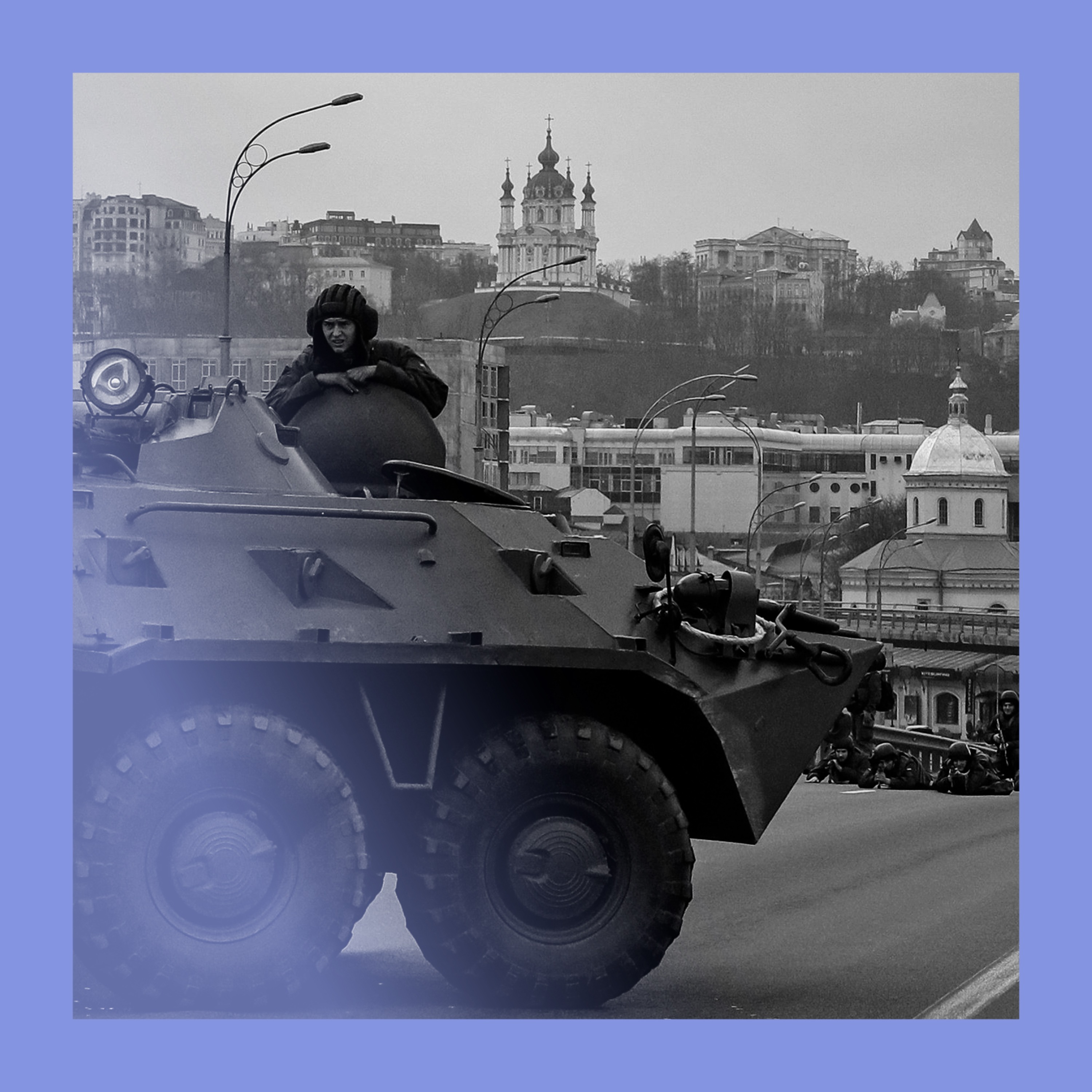
A multinational peacekeeping force from BRICS countries (China, India, Brazil, etc.) could be more effective in conflicts like the Russia-Ukraine war. The rationale is that these nations are seen as more neutral than NATO and hold significant economic leverage (e.g., as major buyers of Russian energy), making them a credible guarantee against further aggression.