Get your free personalized podcast brief
We scan new podcasts and send you the top 5 insights daily.
Modern militaries often define success by tactical objectives like destroying targets, rather than achieving broader political aims. This creates a dangerous gap where battlefield wins can lead to strategic losses, as seen in conflicts where the ultimate political objectives remained muddled and unachieved.

Related Insights
The U.S. military is unparalleled in "decisive operations" (Phase 3) but consistently fails at long-term stabilization (Phase 4). To succeed, strategy should be reverse-engineered from the desired post-conflict state, rather than focusing solely on winning the initial battle.

Current military assessments focus on inputs like '6,000 targets struck,' creating a false sense of progress. This echoes the Vietnam War's body count metric, which measures activity but fails to assess actual strategic effects like achieving free navigation or eroding the enemy's power.

When a government declares a military operation a 'success' but immediately pauses follow-on activities to 'resume negotiations,' it's a strong indicator the initial action failed. The public declaration of victory is often a face-saving measure to exit a situation where objectives were not met.

The "absolutely clinical" US raid to capture Venezuela's president is lauded as a military success. However, historical precedents from Afghanistan in 2001 and Iraq in 2003 show that initial military prowess in toppling a regime is no guarantee of long-term strategic success, which depends on far more complex political factors.

Defining success as an ambitious, all-or-nothing outcome like 'regime change' is a critical mistake. Instead, administrations should set clear, measurable military objectives, such as degrading missile capabilities or naval threats. This allows them to define success, declare victory, and create a clear off-ramp for military campaigns.

Despite overwhelming military force, the US lacks a clear, singular objective in its war with Iran. With at least five distinct goals—from targeting nuclear and missile programs to regime change and settling historical scores—it's unclear what constitutes victory, making the application of force dangerously unfocused.
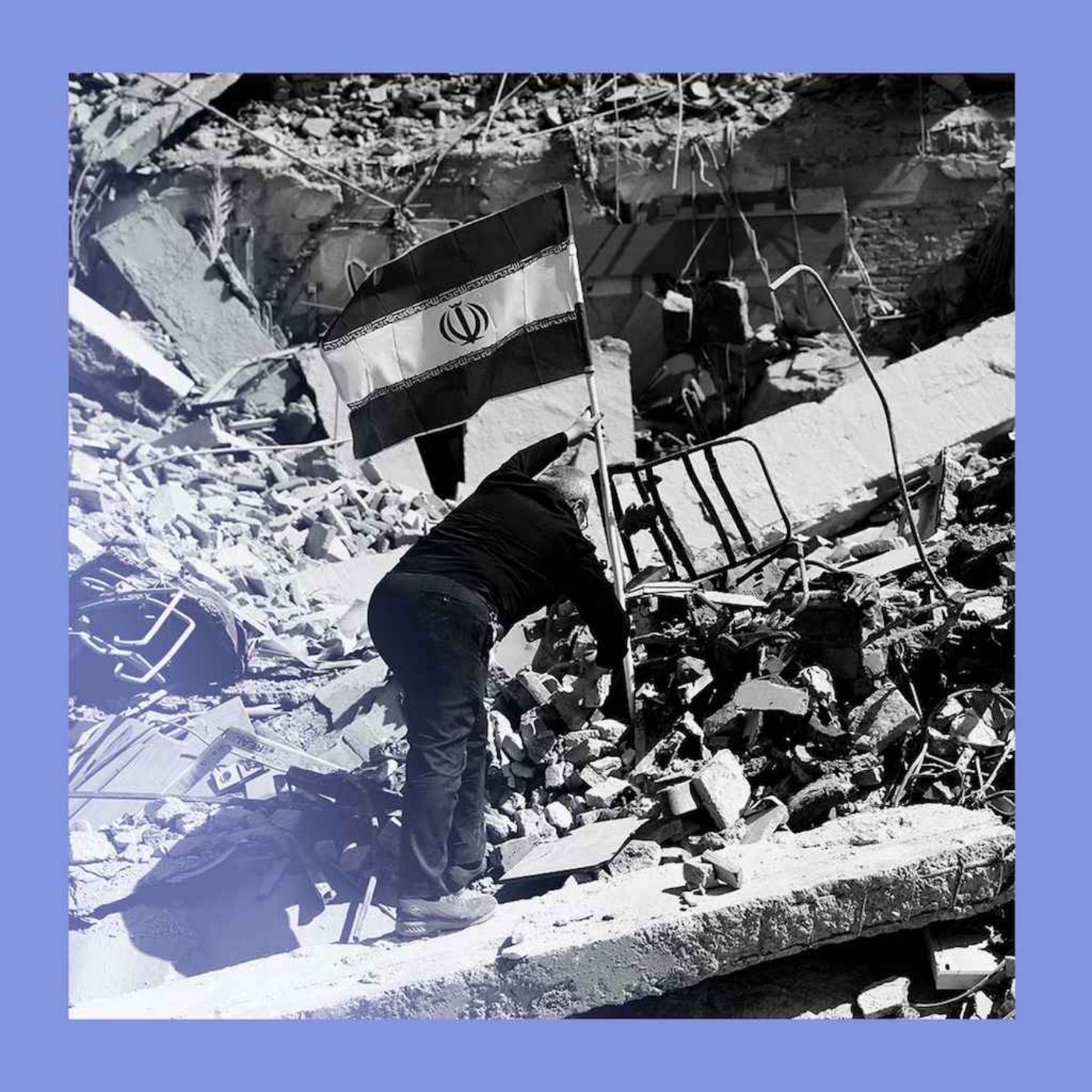
Initial military actions, like successful bombings, can feel like victories. However, they often fail to solve the core political issue, trapping leaders into escalating the conflict further to achieve the original strategic goal, as they don't want to accept failure.

A retired Air Force General described the US operation as "bereft of strategic thought." The lack of a clearly defined, consistent end state beyond keeping the Strait of Hormuz open creates confusion and disconnects tactical actions from a larger purpose, dooming the mission to ambiguity and potential failure.

The US and Israel are operationally successful in degrading Iran's military capabilities. However, leadership has failed to articulate a coherent strategic objective for the war, making it difficult to define victory or know when the conflict will end.

Using an analogy from Clausewitz's "Mountain Warfare," a force occupying a mountain peak is tactically unassailable but operationally impotent if the enemy army simply bypasses it. This highlights the different levels of war: tactical victory is meaningless if it doesn't contribute to operational goals within the wider theater strategy.