Get your free personalized podcast brief
We scan new podcasts and send you the top 5 insights daily.
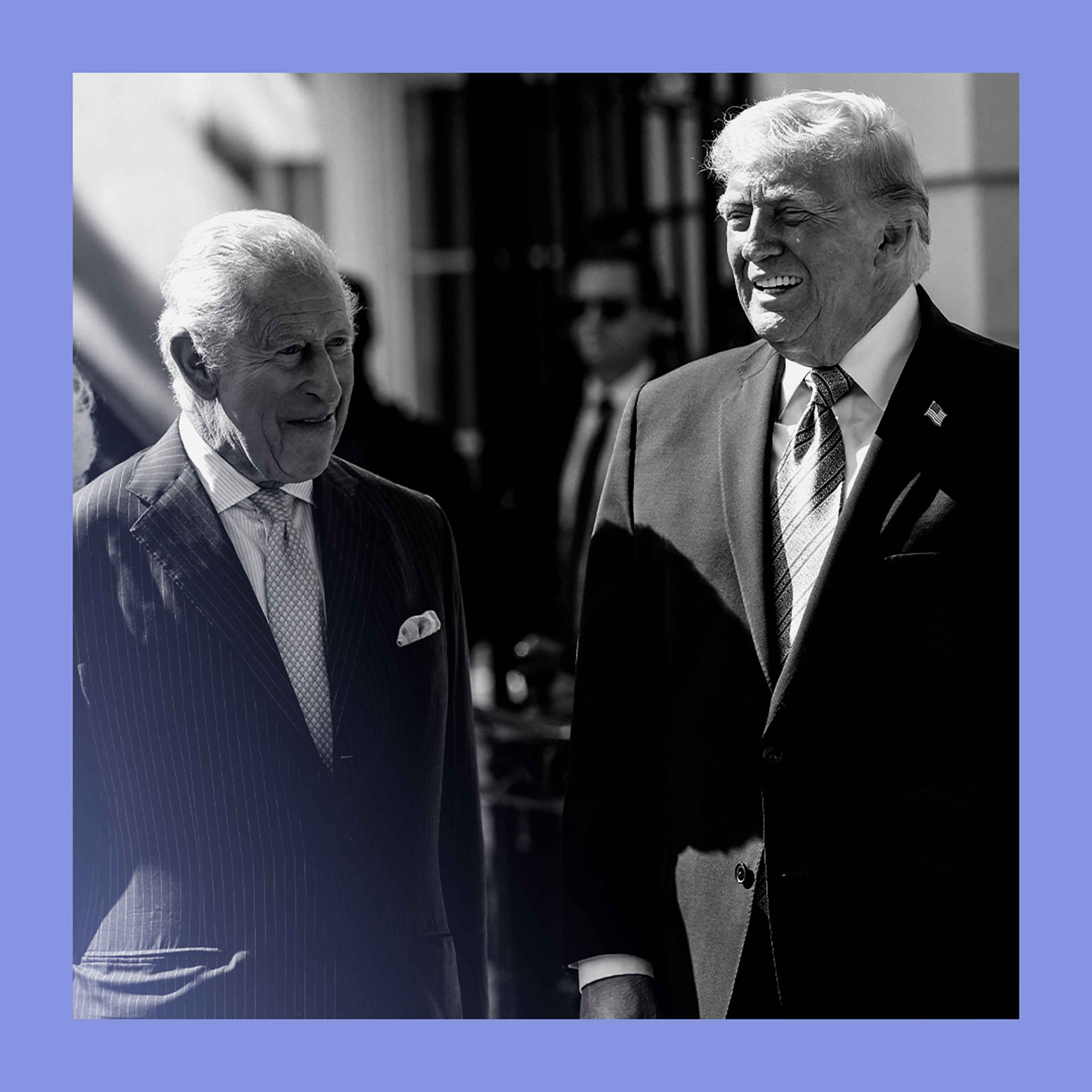
Despite a common belief that Americans love British royals, King Charles has negative favorability ratings in the US. However, his diplomatic value comes from his surprisingly positive personal relationship with Donald Trump, providing a unique channel to smooth relations at a critical time.
Related Insights
Beyond the short-term political calculus of avoiding an unpopular war, President Trump's motivation for a deal with Iran is deeply rooted in legacy-building. He seeks to be the president who fundamentally reshapes the US-Iran relationship, a historic diplomatic achievement that provides a powerful personal incentive for resolution.
Analyzing the Trump administration requires understanding the individual motives of figures like Marco Rubio, not a unified state policy. Trump's foreign relations are based on personal chemistry with leaders like Milei or Bukele, creating a non-transferable, unpredictable policy that lacks long-term strategic direction for future presidents.

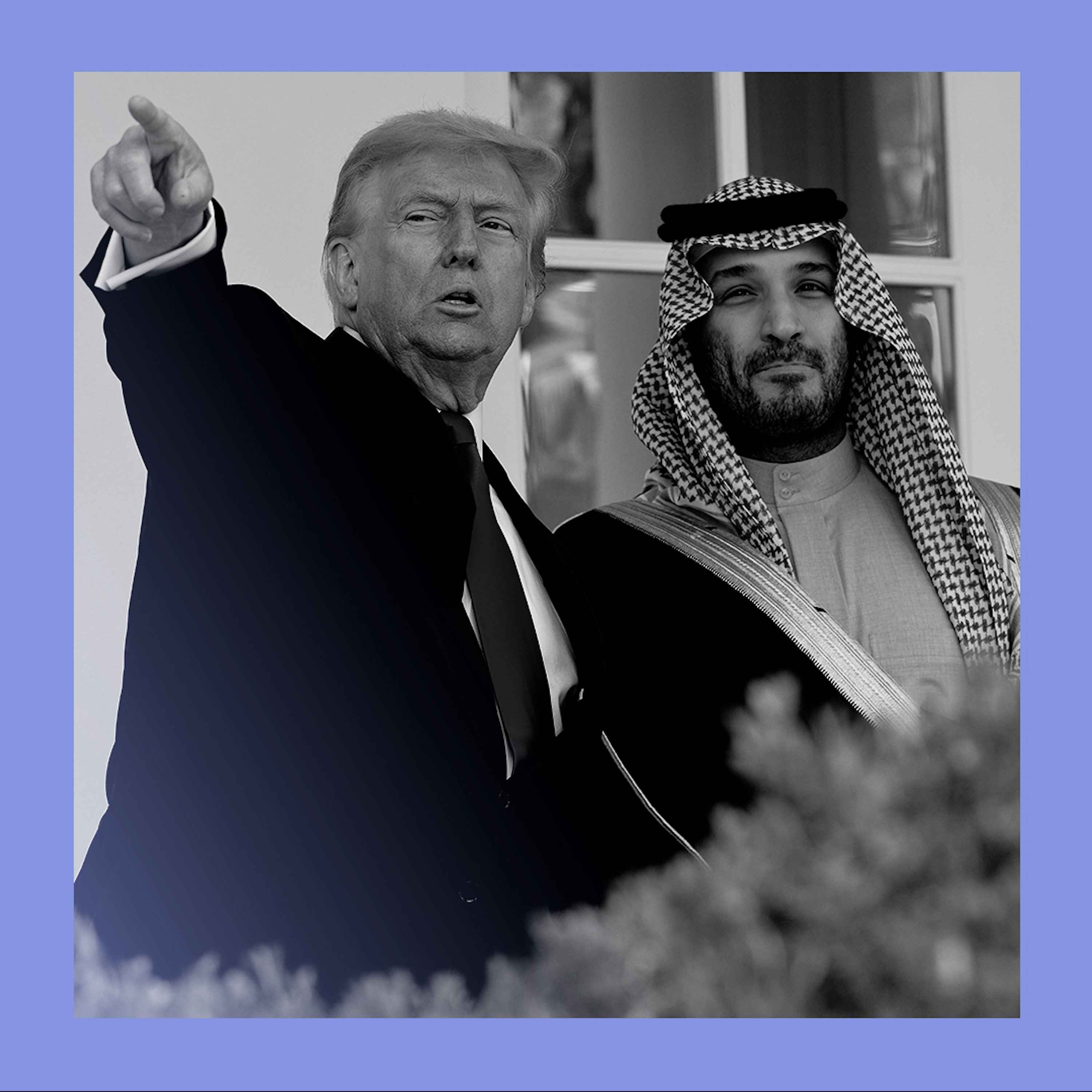
A warm reception for Saudi Crown Prince Mohammed bin Salman marked his return from international isolation following the 2018 murder of Jamal Khashoggi. Trump publicly downplaying the incident helped burnish MBS's reputation and re-establish him as a major leader on the world stage after a period of being a 'pariah'.
To secure commitments from Donald Trump, diplomat Momdani employed a highly personalized strategy. Instead of policy debate, he presented old newspaper clippings celebrating Trump's past achievements, directly appealing to his ego and desire for a positive legacy, proving to be a "Trump whisperer."

Instead of fearing Trump's unpredictability, foreign leaders can manipulate it. By appealing to his desire for a 'peace through strength' legacy and his need to showcase American power, a country like Mexico could secure significant military and economic aid by framing it as a clear win for him.
Adversaries struggle to predict US actions because the Trump White House's decision-making resembles a chaotic royal court, not a formal process. Intelligence agencies must monitor informal channels like Fox News and golf partners, making strategic intent dangerously unreadable.

Leaked communications reveal a conscious strategy to manipulate Donald Trump in negotiations. By advising Russian counterparts to begin calls by praising Trump's past deals, negotiators like Witkoff leverage his psychological vulnerabilities to steer conversations toward a favorable outcome.

The attack on Iran is viewed not as a strategic national security move, but as an action motivated by Donald Trump's personal legacy and brand. Decisions are centered on the "Trump" name and persona rather than traditional statecraft or established government policy.

A core element of Trump's worldview is the belief that global affairs can be managed through personal relationships and deals between powerful leaders, bypassing institutions. This 'great power condominium' approach explains his attempts to charm leaders like Putin and Xi, believing his personal diplomacy can resolve complex structural issues.

The British Royal Family’s traditions, from bestowing knighthoods to public ceremonies, function as sophisticated, low-cost branding tactics. They continuously widen their institutional "moat" and increase the value of their "business" for future generations.