Get your free personalized podcast brief
We scan new podcasts and send you the top 5 insights daily.
A creator's revenue was 50/50 between YouTube ads and their own shop. The advice was to use YouTube to drive sales, aiming for an 80/20 shop-to-ad revenue split. This mitigates platform risk, as you own your shop and customers, but not the platform's algorithm.

Related Insights
Elite YouTube creators aren't just passive recipients of ad revenue. They actively buy their own ad inventory from YouTube and then resell it directly to brands, packaging it like traditional TV with guaranteed "adjacency" to specific content. This strategy dramatically increases monetization and business valuation.
![Media M&A - [Business Breakdowns, EP.230] thumbnail](https://megaphone.imgix.net/podcasts/8404be2a-a3c6-11f0-9d01-7b00b28a9d50/image/9a48597af1149c3b024e8d2f7327aa89.jpg?ixlib=rails-4.3.1&max-w=3000&max-h=3000&fit=crop&auto=format,compress)
Focus on designing a YouTube channel that reliably drives client acquisition. Chasing subscribers and views often fails to generate revenue, whereas targeted content can convert viewers into high-ticket clients and produce tangible business results.

Content creators can increase revenue by moving along a spectrum of monetization models, from low-risk affiliates and sponsorships to higher-risk, higher-reward options like white-labeling, taking equity in partner brands, and finally, owning their own product.

Many creators assume sponsorships are the ideal business model, but they are inefficient and hard to manage. A better model focuses on direct audience monetization—selling your own products or services—which offers higher margins and greater control.
Before YouTube's AdSense was a viable revenue source, the 'Hyla Cooking' channel's primary income came from selling a digital cookbook as a simple PDF. This off-platform product was promoted in videos and sold consistently, demonstrating the importance of owning the monetization strategy on nascent platforms.

While platforms like X generate high view counts, a small, niche YouTube channel builds significantly more trust and drives higher conversion rates for B2B SaaS. Local Rank's launch video got 1/10th the views of its X post but drove 80% of sales. Even unpolished Loom videos can be highly effective.

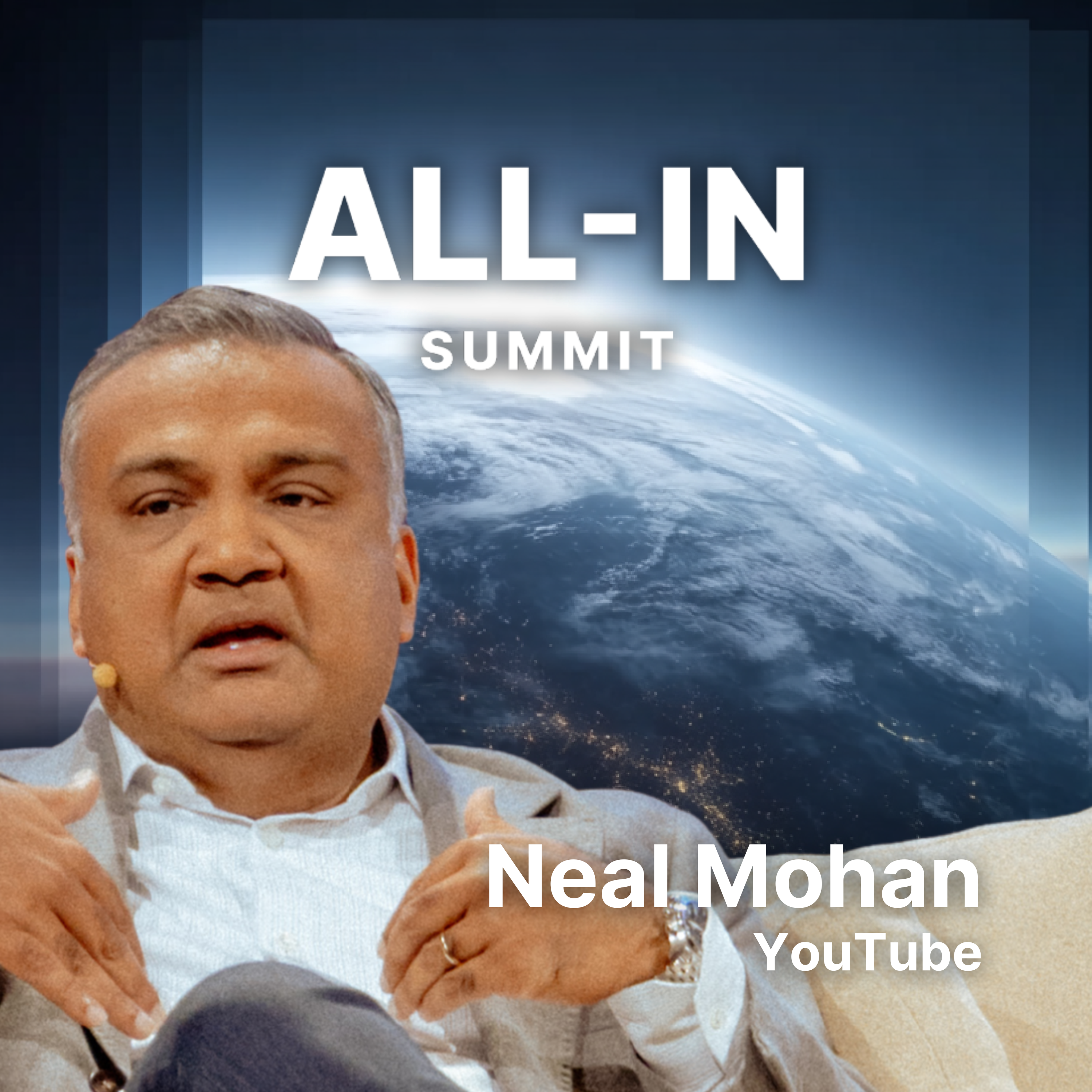
Neal Mohan defends YouTube's revenue split by positioning it as a model where creators bet on their own growth, contrasting with traditional media's upfront payments. For top creators who self-monetize, he frames this as a flexible choice, not a platform weakness, allowing them to select the model that best suits their business.
Ari Emanuel outlines a clear monetization evolution for independent creators. They begin with simple ad placements, graduate to larger integrated sponsor deals, and ultimately achieve the highest value by owning equity in their own product lines. This final step shifts them from being a marketing expense to an asset with a revenue multiple.

The ability to separate paid and organic traffic data in YouTube Analytics is more than a reporting tool. It enables a clear strategy: identify high-performing organic videos and then use paid promotion as a targeted amplifier. This creates a data-driven feedback loop to maximize ROI on ad spend.
A creator with a 50/50 revenue split between YouTube ads and an e-commerce shop felt torn. The advice was to see this not as two businesses, but as a strong ecosystem where the content channel acts as a resilient, top-of-funnel engine for the owned e-commerce platform.