Get your free personalized podcast brief
We scan new podcasts and send you the top 5 insights daily.
Content creators can increase revenue by moving along a spectrum of monetization models, from low-risk affiliates and sponsorships to higher-risk, higher-reward options like white-labeling, taking equity in partner brands, and finally, owning their own product.

Related Insights
Elite YouTube creators aren't just passive recipients of ad revenue. They actively buy their own ad inventory from YouTube and then resell it directly to brands, packaging it like traditional TV with guaranteed "adjacency" to specific content. This strategy dramatically increases monetization and business valuation.
![Media M&A - [Business Breakdowns, EP.230] thumbnail](https://megaphone.imgix.net/podcasts/8404be2a-a3c6-11f0-9d01-7b00b28a9d50/image/9a48597af1149c3b024e8d2f7327aa89.jpg?ixlib=rails-4.3.1&max-w=3000&max-h=3000&fit=crop&auto=format,compress)
Before programmatic advertising, BroBible found a ceiling on direct ad sales. They built a highly profitable events business, hosting concerts and selling high-value sponsorships to major brands. This became their number one revenue source for two years, demonstrating a creative monetization strategy beyond simple ad inventory.

Instead of a standard affiliate deal, propose creating ad content for a brand to run with their own ad spend. In exchange, accept a lower commission (e.g., 20% vs. 40%). This provides the influencer with passive income and free brand exposure, while the brand gets authentic, high-performing ads.
To remain sustainable, the local media outlet combines direct ad sales, branded content, merchandise (coupon passports), and a Patreon membership. This multi-pronged approach provides stability and avoids over-reliance on a single, often volatile, revenue stream like programmatic advertising.
Influencers in specialized fields like sports can choose from three business models. 1) Entertainment: pure media with brand deals. 2) Education: selling digital courses and merchandise. 3) Equity: becoming a long-term spokesperson for a brand in exchange for ownership or royalties.
Relying on one signature offer or income stream is a high-risk strategy. A more sustainable approach is building a portfolio business with multiple, smaller streams—like a course, a membership, and affiliate income. This ecosystem creates stability, allowing the business to weather storms and reducing pressure on any single component.

Big Cabal Media's CEO admits he never personally loved their "Sponsored Post" product—a dedicated, clearly marked section for press releases. Despite his feelings, the product has proven to be a surprisingly resilient and consistent revenue contributor. This highlights the value of retaining simple, effective monetization tools even if they aren't innovative or glamorous.
Instead of running their own ads, an influencer can propose a deal to create ad content for a partner brand. The brand funds the ad spend, and the influencer accepts a reduced commission (e.g., 20% instead of 40%) on sales. This generates risk-free revenue and free brand exposure for the influencer.
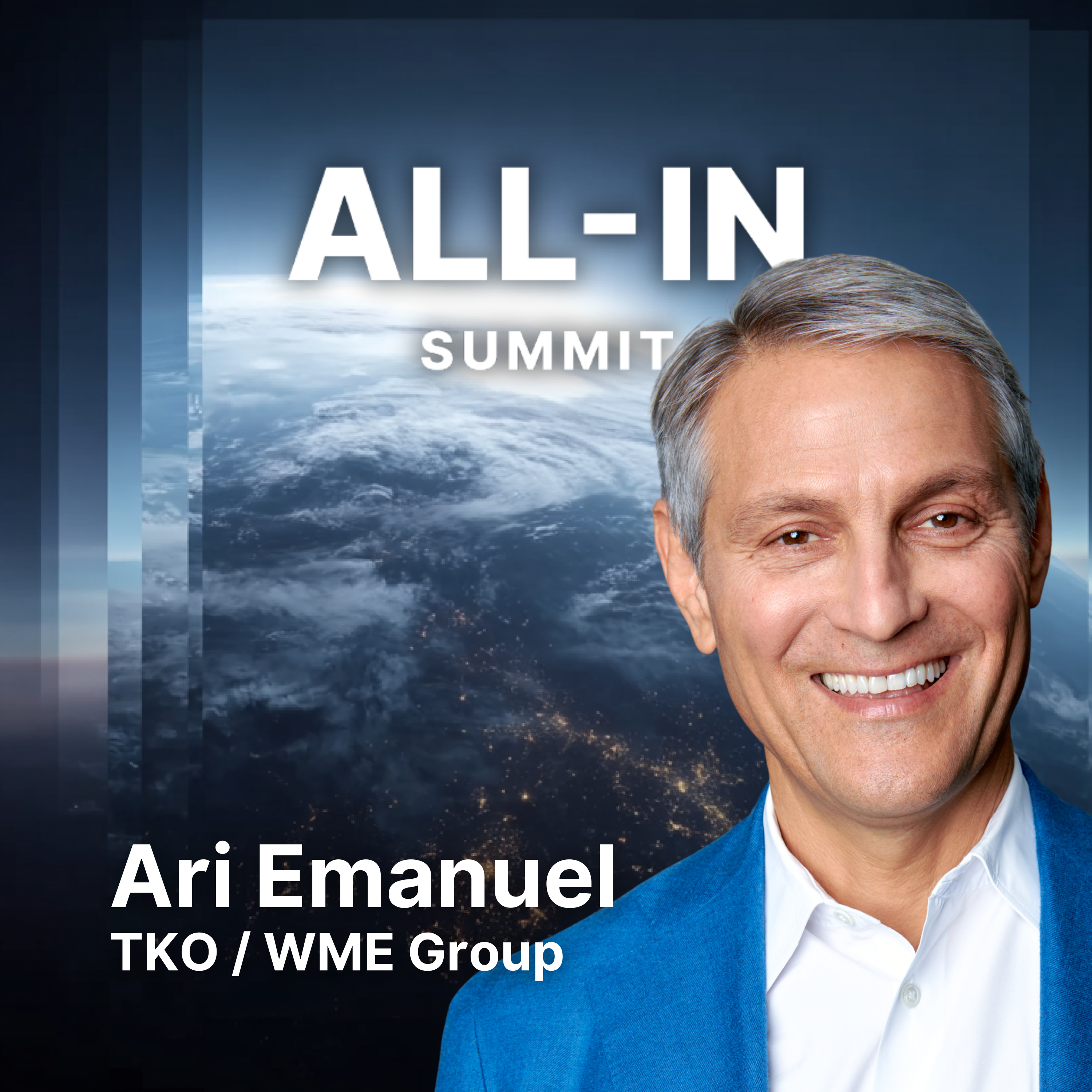
Ari Emanuel outlines a clear monetization evolution for independent creators. They begin with simple ad placements, graduate to larger integrated sponsor deals, and ultimately achieve the highest value by owning equity in their own product lines. This final step shifts them from being a marketing expense to an asset with a revenue multiple.
Instead of bearing the high cost of hosting its own conferences, a trade magazine partners with existing industry events. They produce a co-branded special print edition for the event, selling ads into it and sharing the revenue with the event organizer. This creates a new revenue stream without the financial risk.