Get your free personalized podcast brief
We scan new podcasts and send you the top 5 insights daily.
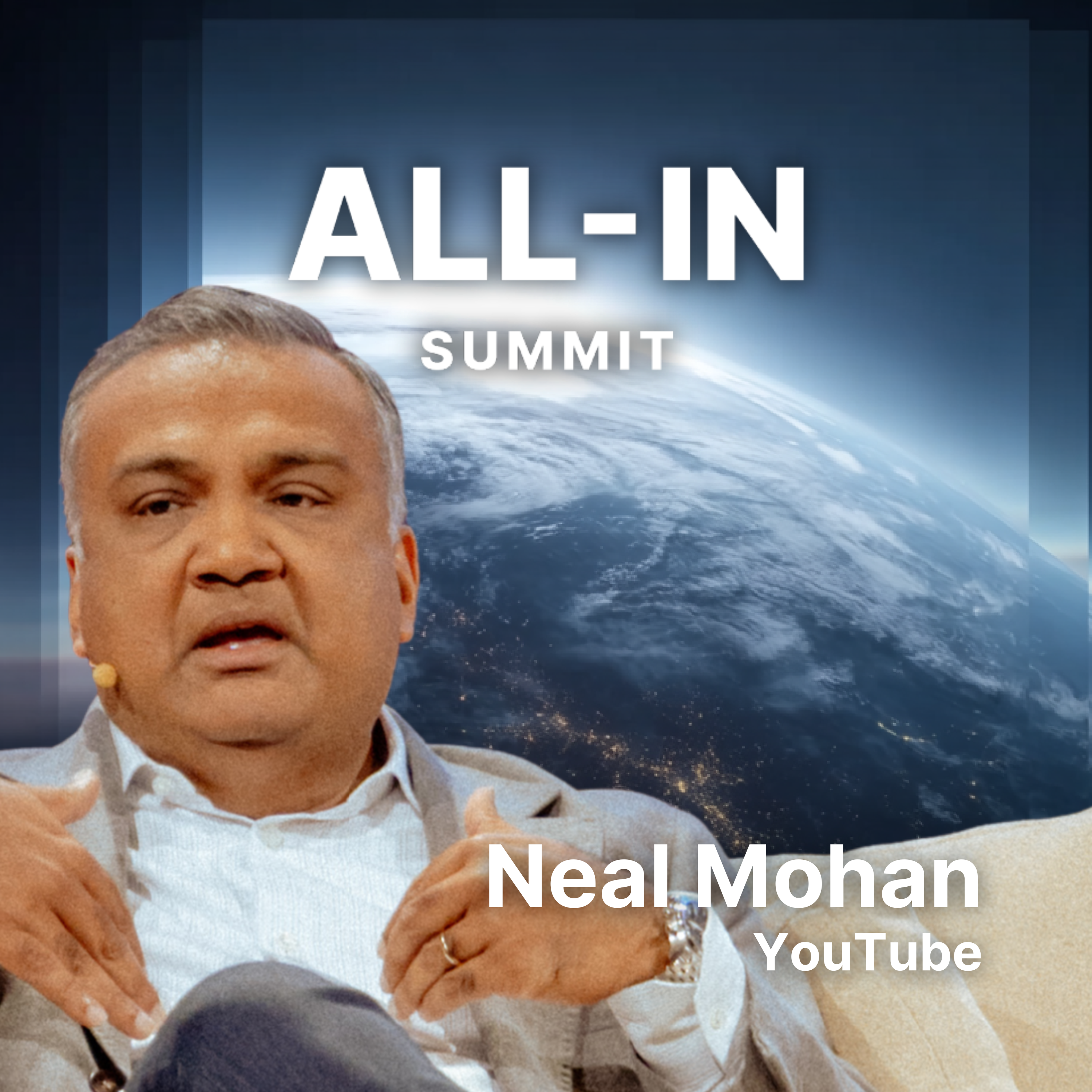
Neal Mohan defends YouTube's revenue split by positioning it as a model where creators bet on their own growth, contrasting with traditional media's upfront payments. For top creators who self-monetize, he frames this as a flexible choice, not a platform weakness, allowing them to select the model that best suits their business.
Related Insights
Elite YouTube creators aren't just passive recipients of ad revenue. They actively buy their own ad inventory from YouTube and then resell it directly to brands, packaging it like traditional TV with guaranteed "adjacency" to specific content. This strategy dramatically increases monetization and business valuation.
![Media M&A - [Business Breakdowns, EP.230] thumbnail](https://megaphone.imgix.net/podcasts/8404be2a-a3c6-11f0-9d01-7b00b28a9d50/image/9a48597af1149c3b024e8d2f7327aa89.jpg?ixlib=rails-4.3.1&max-w=3000&max-h=3000&fit=crop&auto=format,compress)
Roblox's leadership intentionally directs a larger portion of revenue back to its creator community rather than maximizing corporate profits. This strategy fosters a more engaged and innovative developer base, which in turn drives the platform's overall success and long-term defensibility.

When questioned about censorship alongside Twitter and Facebook, CEO Neal Mohan deliberately reframes YouTube's identity. He asserts YouTube has more in common with streaming platforms than social media feeds. This is a strategic move to distance the brand from social media's controversies and align it with the entertainment industry.
Platforms like YouTube intentionally design their algorithms to foster a wide base of mid-tier creators rather than a few dominant mega-stars. This is a strategic defense mechanism to reduce the leverage of any single creator. By preventing individuals from overshadowing the platform, YouTube mitigates the risk of widespread advertiser boycotts stemming from a controversy with one top personality, as seen in past 'Adpocalypses'.

YouTube's strategy for AI content extends beyond labeling. CEO Neal Mohan reveals plans to adapt their Content ID system for "likeness detection." This would empower creators to identify AI-generated content using their face or voice and then choose to either have it removed or take ownership and monetize it themselves.
While many see YouTube Premium as just an ad-free video service, CEO Neal Mohan clarifies that it originated as a music subscription platform. A large portion of its 125 million subscribers are primarily music fans using it as their main music service, not just viewers who are avoiding ads on videos.
While TikTok's on-platform digital courses offer a new monetization path, the revenue model is highly unfavorable. After Google takes a 30% app store cut, TikTok takes another 50% of the remaining revenue, leaving creators with just 35%.
The most successful YouTube content has shifted beyond simply providing information (like a history lesson) or grabbing attention (like a viral stunt). The current meta demands a unique creator perspective. Audiences now seek out a trusted personality's specific point of view, making it the key to longevity.

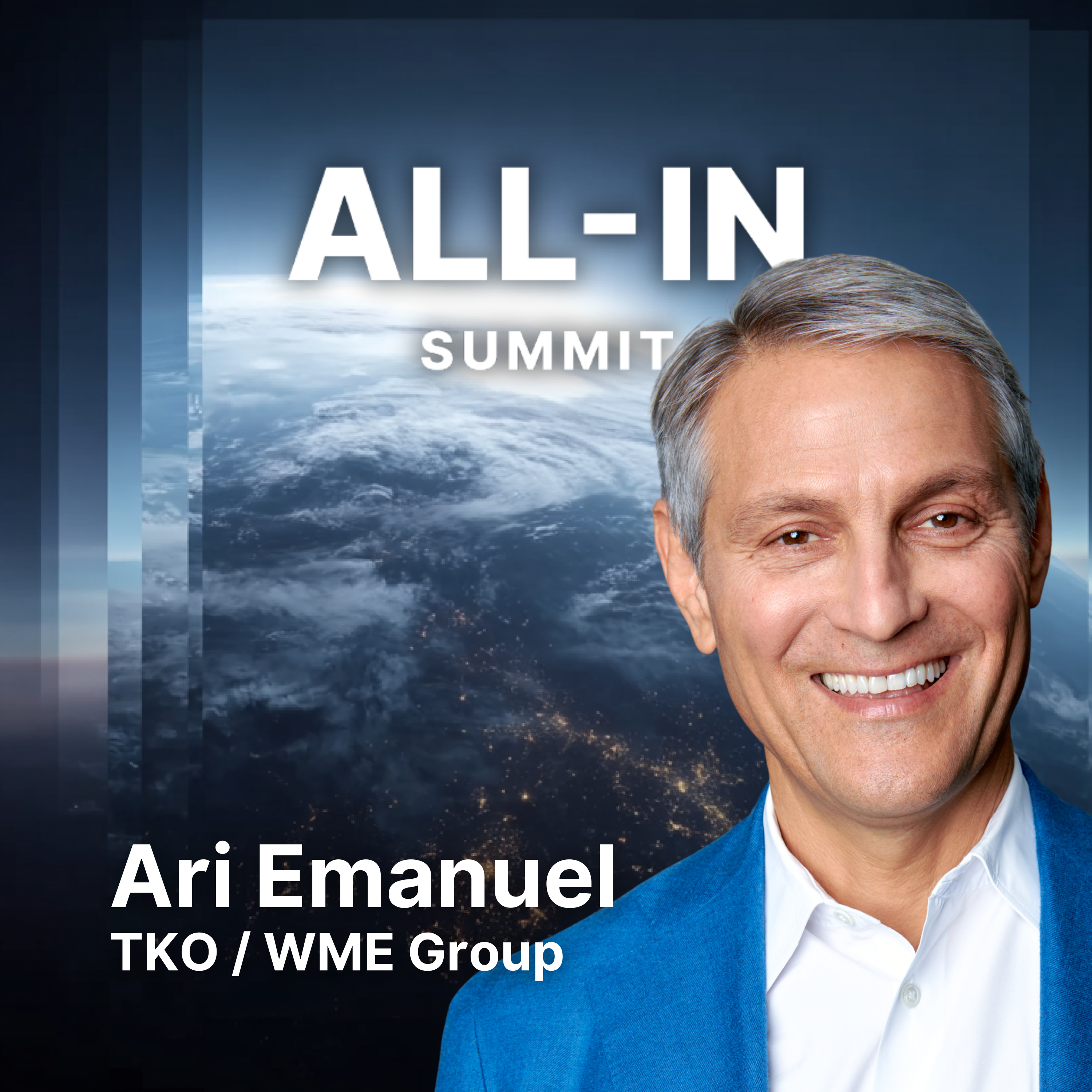
Ari Emanuel outlines a clear monetization evolution for independent creators. They begin with simple ad placements, graduate to larger integrated sponsor deals, and ultimately achieve the highest value by owning equity in their own product lines. This final step shifts them from being a marketing expense to an asset with a revenue multiple.
In the creator economy, success isn't always defined by venture-backed growth. Many top creators intentionally cap their audience size and reject outside investment to maintain full control over their business and content, defining success as a sustainable, manageable enterprise rather than a unicorn.
