Get your free personalized podcast brief
We scan new podcasts and send you the top 5 insights daily.
Many creators assume sponsorships are the ideal business model, but they are inefficient and hard to manage. A better model focuses on direct audience monetization—selling your own products or services—which offers higher margins and greater control.
Related Insights
Ad-supported models (AVOD) create a complex system with creators, audiences, platforms, and advertisers, where someone is always losing. Subscription models (SVOD) simplify the business into a direct creator-to-audience relationship, making it more stable and sustainable.

Content creators can increase revenue by moving along a spectrum of monetization models, from low-risk affiliates and sponsorships to higher-risk, higher-reward options like white-labeling, taking equity in partner brands, and finally, owning their own product.

Generalist World intentionally deleted its recurring membership revenue by switching to a lifetime model. This risky "one-way door" move was made only after its newsletter hit 20,000 subscribers, a scale that made it viable to replace that income with high-value brand sponsorships.
The desire for passive income leads creators to build digital products prematurely. The better path is to start with services like consulting or agency work. This validates demand, generates cash flow, and provides the deep customer insights needed to later create a successful, scalable product.
The 'build an audience first, then monetize' strategy is a trap for SaaS founders. This model is only viable for massively funded companies like HubSpot. Bootstrappers should focus on solving a problem directly, not on the long, resource-intensive path of building a media arm with uncertain monetization.

Media companies can scale paid acquisition infinitely by selling a low-ticket digital product (e.g., a guide) on the thank-you page after a free newsletter signup. If even a small percentage buys, the revenue can offset ad costs, making subscriber growth free or profitable.
The modern creator economy prioritizes immediate monetization via ads or subscriptions. The older model of patronage—direct financial support from an individual without expectation of direct ROI—can liberate creators from chasing metrics, enabling them to focus on producing high-quality, meaningful work.

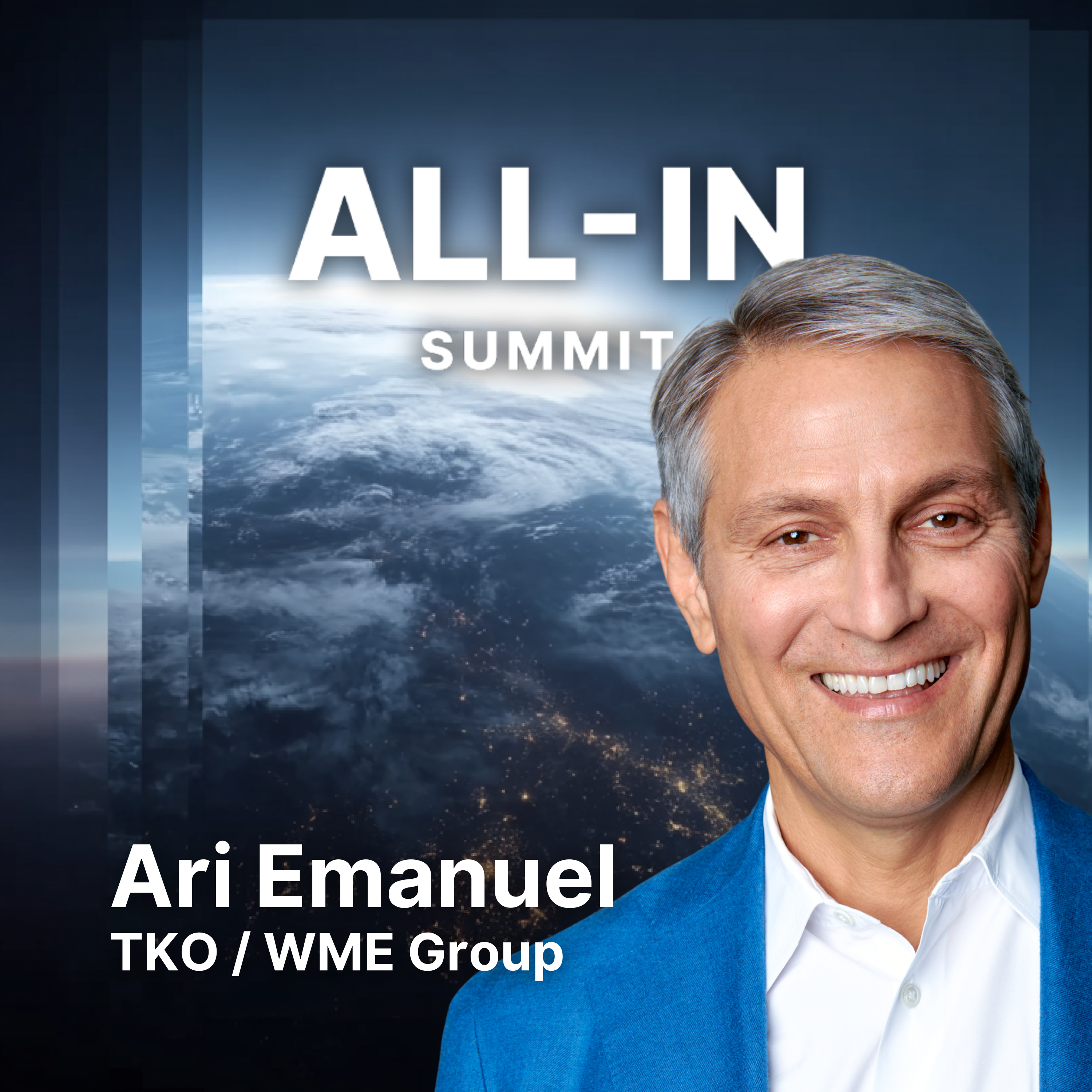
Ari Emanuel outlines a clear monetization evolution for independent creators. They begin with simple ad placements, graduate to larger integrated sponsor deals, and ultimately achieve the highest value by owning equity in their own product lines. This final step shifts them from being a marketing expense to an asset with a revenue multiple.
When a tool gets massive attention but users aren't willing to pay (like Trust MRR), pivot the business model to advertising. Create scarcity by offering a limited number of ad slots and rewarding early advertisers with lower prices. This builds FOMO and generates more reliable revenue.

Running paid ads for a new newsletter is a mistake. First, prove you can convert an existing organic audience (e.g., from social media). If your core followers won't subscribe, there's a content or messaging mismatch. Paid ads will only waste money by scaling a message that doesn't resonate.