Get your free personalized podcast brief
We scan new podcasts and send you the top 5 insights daily.
To maintain a culture of innovation as the company scales, Snap keeps its design team exceptionally small and flat. This structure encourages rapid iteration and prioritizes good ideas over hierarchy, preventing the fixation on promotions that can stifle risk-taking in large organizations.

Related Insights
Snap fosters innovation by maintaining two distinct structures: a small, flat design team for new ideas and a large, hierarchical organization for scaled execution. Leadership's key role is to manage the dialogue and mutual respect between these two groups, preventing the natural friction that arises.

Large companies should empower small, autonomous teams (5-10 people) to experiment rapidly like startups. This "jet ski" model prioritizes speed and validated learning over large budgets and long timelines, de-risking innovation before committing to scale.
To adapt to AI-driven productivity, Block abandoned large, static feature teams for small squads of 1-6 people that can flexibly move between products. This structure, combined with cutting management layers by over 50%, allows for faster information flow and rapid, AI-powered development cycles.

Evan Spiegel intentionally resisted hiring Product Managers in the early days to avoid a culture where designers merely create visuals from specs. By making designers do the PM work themselves, he ensured they owned product direction and strategy, establishing a strong, designer-led culture from the start.
Snap prefers hiring designers directly out of school, believing other tech companies instill bad habits like focusing on hierarchy over creative risk-taking. This approach, combined with a small, flat team structure, is designed to protect raw creativity.

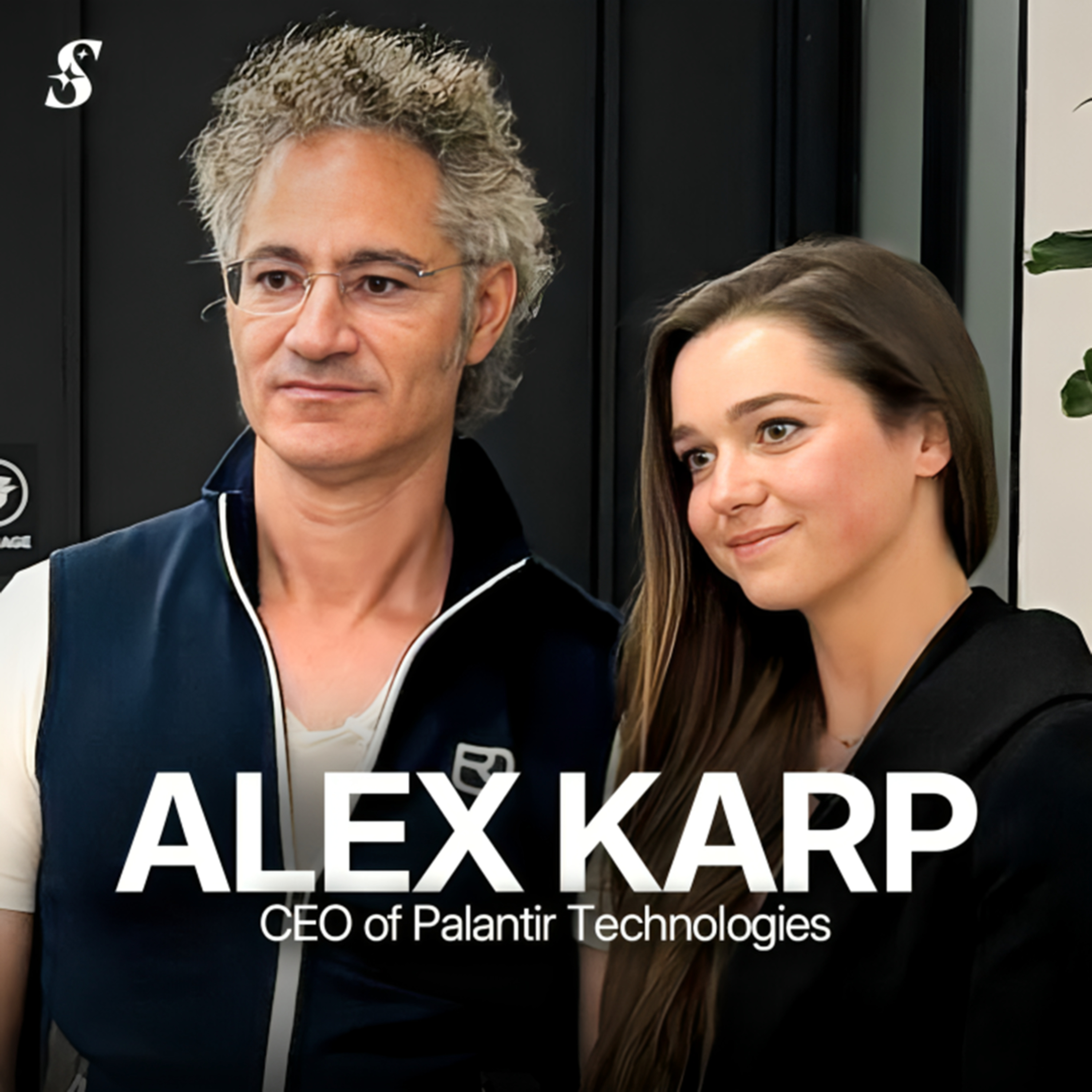
A company's rate of aging is directly correlated with its layers of hierarchy. By maintaining a very flat structure, 20-year-old Palantir "anti-ages," retaining the fresh, agile vibe and rapid decision-making of a young startup while possessing the scale and knowledge of a mature company.
To instill a culture of high velocity, new designers at Snap are required to present work on day one. This practice immediately immerses them in the cycle of making and receiving feedback, breaking down the "preciousness" of individual ideas and fostering a mindset of rapid, constant iteration.
At Snap, all features must receive design approval before shipping. Evan Spiegel views this function as a crucial, intentional bottleneck. While it can slow down development and annoy other teams, he believes it is essential for maintaining a cohesive, high-quality customer experience across the entire product.
By keeping the engineering team small and flat, Method Security minimizes communication nodes. This structure allows them to ship features incredibly fast and remain creatively generative, which they see as a significant competitive advantage in the early stages.

To achieve massive output with a small team (~127 people), Kalshi relies on a few core principles. The founders set a relentless work pace, maintain a flat organization with many direct reports, and dynamically assign talent to the company's biggest problems rather than adhering to a rigid org chart.
