Get your free personalized podcast brief
We scan new podcasts and send you the top 5 insights daily.
Evan Spiegel intentionally resisted hiring Product Managers in the early days to avoid a culture where designers merely create visuals from specs. By making designers do the PM work themselves, he ensured they owned product direction and strategy, establishing a strong, designer-led culture from the start.
Related Insights
Sundial founder Julie Zhu intentionally avoids hiring product managers. This constraint forces engineers to take full ownership of the product definition and user value, preventing them from delegating critical product thinking and developing a stronger sense of customer empathy.

The PM role is intentionally undefined, meant to adapt to a team's needs—from strategy to quality control. However, these functions can often be filled by a strong engineering lead or designer, making dedicated PMs non-essential, and potentially harmful, on smaller teams.

To manage the strain on product managers from hyper-productive engineering teams, Anthropic has a rule: if a project is two engineering weeks or less, the engineer is the PM. They are responsible for stakeholder management (security, legal, etc.), with the official PM acting only as an advisor.

Instead of hiring more PMs to manage faster engineering cycles, Anthropic focuses on hiring engineers with strong product taste who can ship end-to-end. This reduces overhead and blurs traditional roles, as most PMs and designers also have engineering backgrounds.

In an organization still running in project mode, the 'Product Manager' title is misleading. The role is often relegated to organizing work and scheduling tasks for engineering. A true product model requires empowering these roles with the mandate, skills, and market access to make strategic decisions.
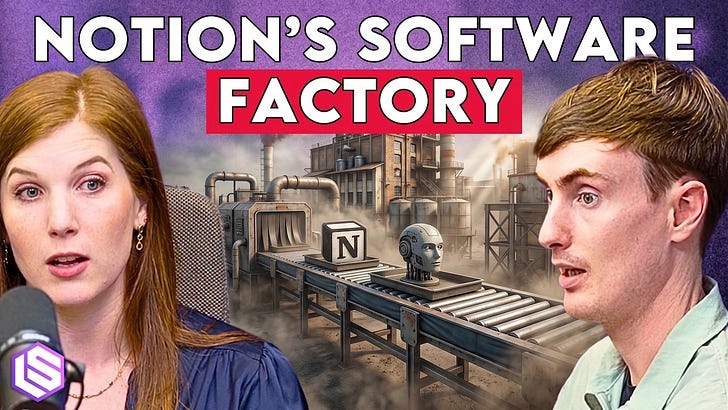
By empowering anyone to build and ship functional prototypes, Notion's culture shifts the burden of proof. With many working demos competing for attention, product managers must have a strong, clear vision to prioritize and ensure the team is focusing on a single tower, not building a "flat hill."
At Snap, all features must receive design approval before shipping. Evan Spiegel views this function as a crucial, intentional bottleneck. While it can slow down development and annoy other teams, he believes it is essential for maintaining a cohesive, high-quality customer experience across the entire product.
ElevenLabs eliminates the traditional Product Manager role. They hire "product engineers" who own the entire development loop from ideation to shipping and analysis. Growth leads (often ex-PMs) then partner with engineering leads on GTM and acquisition, creating a faster, more accountable structure.

The number one reason design-led product visions fail is the exclusion of product management. Since design doesn't typically own the roadmap, involving product partners from the very beginning is critical for buy-in and ensuring the vision doesn't become a useless artifact.

A common founder mistake is hiring a first product manager to simply prioritize and ship a backlog of ideas. Instead, PMs create the most value when given ownership of a key metric and the autonomy to drive user and business outcomes.
