Get your free personalized podcast brief
We scan new podcasts and send you the top 5 insights daily.
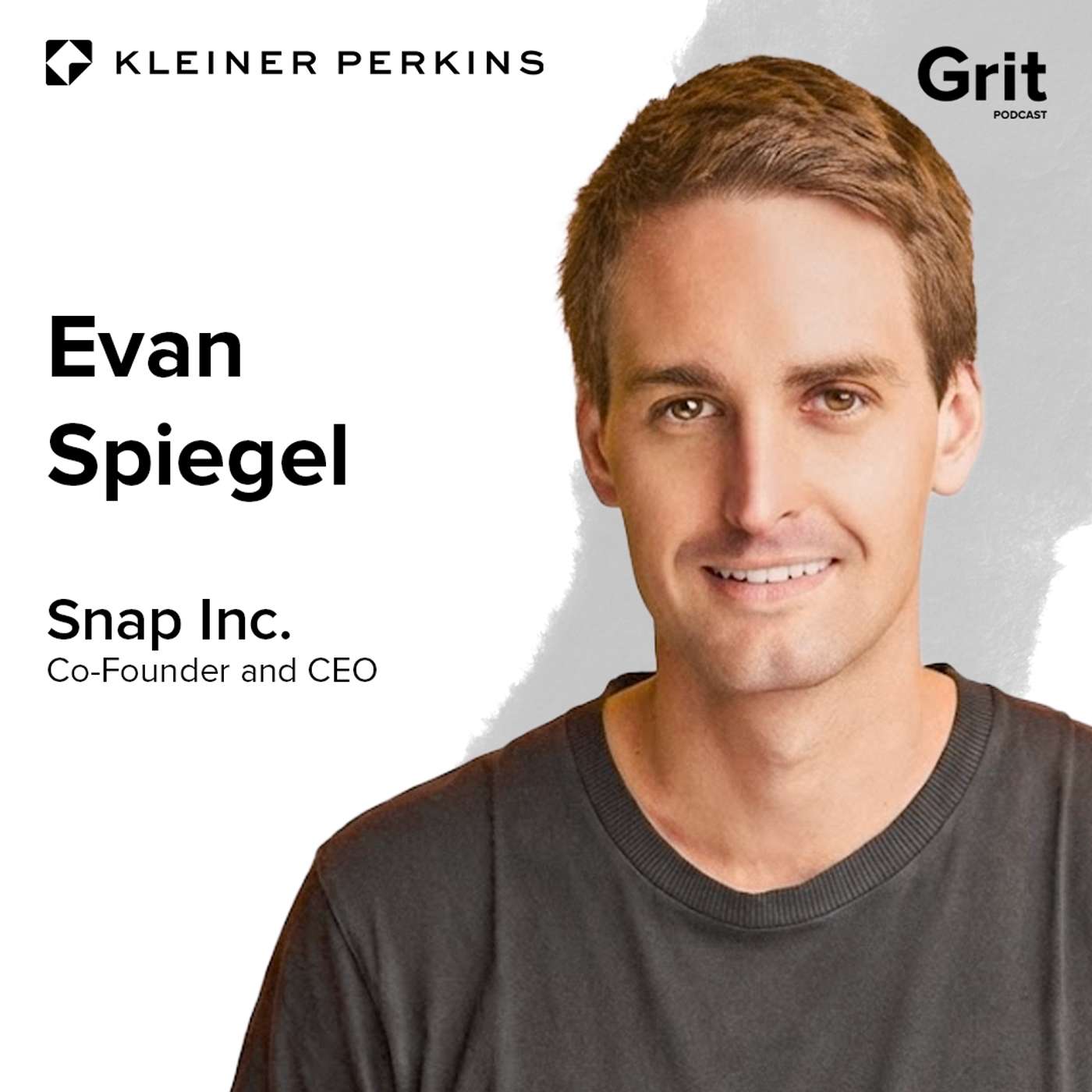
Snap fosters innovation by maintaining two distinct structures: a small, flat design team for new ideas and a large, hierarchical organization for scaled execution. Leadership's key role is to manage the dialogue and mutual respect between these two groups, preventing the natural friction that arises.

Related Insights
To avoid bureaucratic slowdowns at scale, Canva organizes its marketing team into small, empowered "swift boat pods." These teams can pursue impactful ideas with minimal friction and approvals, preserving a scrappy, experimental culture and preventing bureaucracy from stifling creativity.

AI tools dramatically reduce the resources needed for idea validation. Leaders should restructure teams by creating small, nimble 'discovery' pods (1-2 people) for rapid idea generation and validation. Successful ideas are then passed to larger, traditional 'execution' teams for scaling and implementation.
![The Right Way to Prioritize [Replay] thumbnail](https://storage.buzzsprout.com/9xn5wg1i0ed9bwrk6slghdmijcr6?.jpg)
Large companies like Rippling and TripActions maintain innovation velocity by creating "carved out" teams for new, "zero to one" initiatives. This organizational strategy provides singular focus, empowering a small group to execute with the intensity and speed of an early-stage startup without corporate distractions.

Pendo's CPO warns that scaling isn't just about replicating processes for more teams. Leaders must simultaneously build coordination systems (design reviews, clear communication) while fighting to maintain the "maniacal focus on the customer" and rapid innovation that characterize small teams.

Most startups focus on product or technology innovation, but Gamma's CEO argues that innovating on organizational design is an equally powerful lever. This means rethinking hiring, management, and team composition to create a competitive advantage.

If a company creates a siloed "innovation team," it's a sign the main product organization is stuck in "business as usual" maintenance. Innovation should be a mindset embedded across all teams, not an isolated function delegated to a select few.

While traditionally creating cultural friction, separate innovation teams are now more viable thanks to AI. The ability to go from idea to prototype extremely fast and leanly allows a small team to explore the "next frontier" without derailing the core product org, provided clear handoff rules exist.
Snap prefers hiring designers directly out of school, believing other tech companies instill bad habits like focusing on hierarchy over creative risk-taking. This approach, combined with a small, flat team structure, is designed to protect raw creativity.
Siphoning off cutting-edge work to a separate 'labs' group demotivates core teams and disconnects innovation from those who own the customer. Instead, foster 'innovating teams' by making innovation the responsibility of the core product teams themselves.

At Snap, all features must receive design approval before shipping. Evan Spiegel views this function as a crucial, intentional bottleneck. While it can slow down development and annoy other teams, he believes it is essential for maintaining a cohesive, high-quality customer experience across the entire product.