Get your free personalized podcast brief
We scan new podcasts and send you the top 5 insights daily.
To achieve massive output with a small team (~127 people), Kalshi relies on a few core principles. The founders set a relentless work pace, maintain a flat organization with many direct reports, and dynamically assign talent to the company's biggest problems rather than adhering to a rigid org chart.

Related Insights
The fastest-growing founders achieve outlier results not by working more hours, but by operating differently. They identify the single biggest bottleneck (e.g., low sales close rate), generate high-volume opportunities to test it (e.g., five sales calls a day), and then iterate on their process with extreme speed (e.g., reviewing and shipping changes every two days).

Contradicting the common startup goal of scaling headcount, the founders now actively question how small they can keep their team. They see a direct link between adding people, increasing process, and slowing down, leveraging a small, elite team as a core part of their high-velocity strategy.

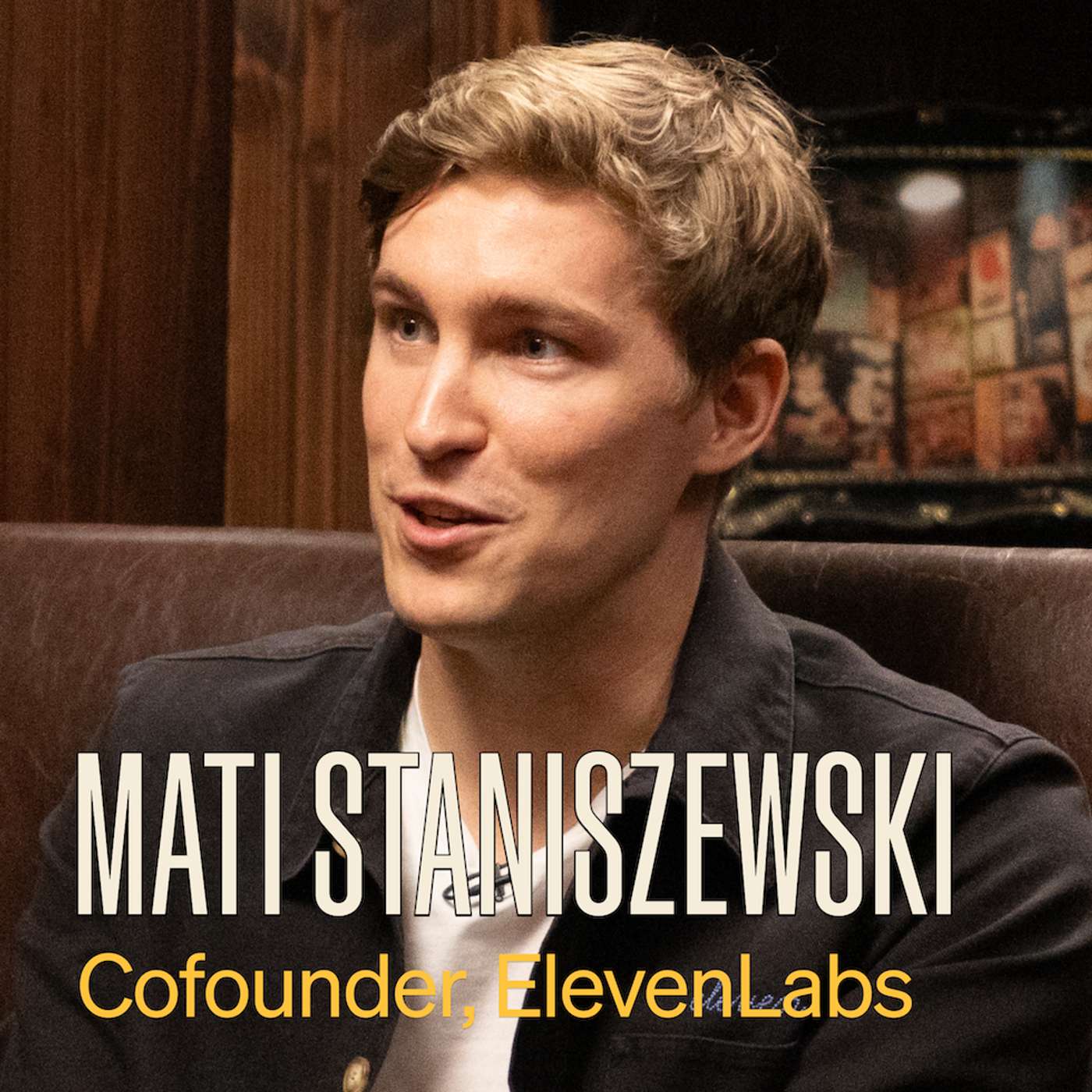
Traditional management suggests a span of control around 8. By leveraging AI and fostering high agency, ElevenLabs builds a much flatter organization where leaders, including the co-founders, manage over 15 direct reports each. This structure increases speed and reduces bureaucracy.
Gamma maintains a flat, high-impact organization by eschewing traditional managers. Instead, all leaders are "player-coaches"—they actively contribute as individual contributors while also mentoring their teams. This keeps leadership close to the work and empowers teams to adapt quickly without top-down commands.

Drawing from experience at big tech, Surge AI's founder believes large organizations slow down top performers with distractions. By building a super-small, elite team, companies can achieve more with less overhead, a principle proven by Surge's own success.

The true purpose of a flat organization is to enable rapid information flow and collaboration, preventing data silos. It allows any junior engineer to directly communicate with senior leadership, accelerating decision-making and problem-solving across the company without having to funnel information through managers.

Instead of traditional managers, Gamma hires "player-coaches"—leaders who actively contribute to the work, like shipping code, while also mentoring their team. This model maintains a flat structure, keeps leadership grounded, and works best in a lean organization.

By keeping the engineering team small and flat, Method Security minimizes communication nodes. This structure allows them to ship features incredibly fast and remain creatively generative, which they see as a significant competitive advantage in the early stages.

To avoid bureaucratic bloat, organize the company into small, self-sufficient "pods" of no more than 10 people. Each pod owns a specific problem and includes all necessary roles. Performance is judged solely on the pod's impact, mimicking an early-stage startup's focus.

Gamma scaled to a $2B valuation with only 50 people by innovating on org design, not just product. They prioritize hiring generalists over specialists and use a 'player-coach' model instead of a traditional management layer. This keeps the team lean, agile, and close to the actual work.
