Get your free personalized podcast brief
We scan new podcasts and send you the top 5 insights daily.
To instill a culture of high velocity, new designers at Snap are required to present work on day one. This practice immediately immerses them in the cycle of making and receiving feedback, breaking down the "preciousness" of individual ideas and fostering a mindset of rapid, constant iteration.

Related Insights
Snap fosters innovation by maintaining two distinct structures: a small, flat design team for new ideas and a large, hierarchical organization for scaled execution. Leadership's key role is to manage the dialogue and mutual respect between these two groups, preventing the natural friction that arises.
When pitching partners, compress the feedback loop to create a 'wow' factor. Founder Eric Ryan takes partners on 'trend trips,' spots an idea, sends a brief to his remote design team overnight, and presents polished concepts the next morning. This rapid execution captures the initial excitement and emotion of the idea.

In a competitive market, prioritizing speed forces a team to be resourceful and figure out how to maintain quality under pressure. This mindset prevents the design team from becoming a bottleneck and keeps the company's momentum high.

Scheduled critiques create bottlenecks and encourage performative feedback. A better model is to empower designers with ownership, letting them decide when to seek input. This "organic grit" model values velocity and makes feedback a tool, not a ritual.
To ensure its design team embraces modern tooling, Shopify requires every new designer to commit at least two pull requests to the main codebase during onboarding. This establishes coding as a core, non-negotiable responsibility from day one.

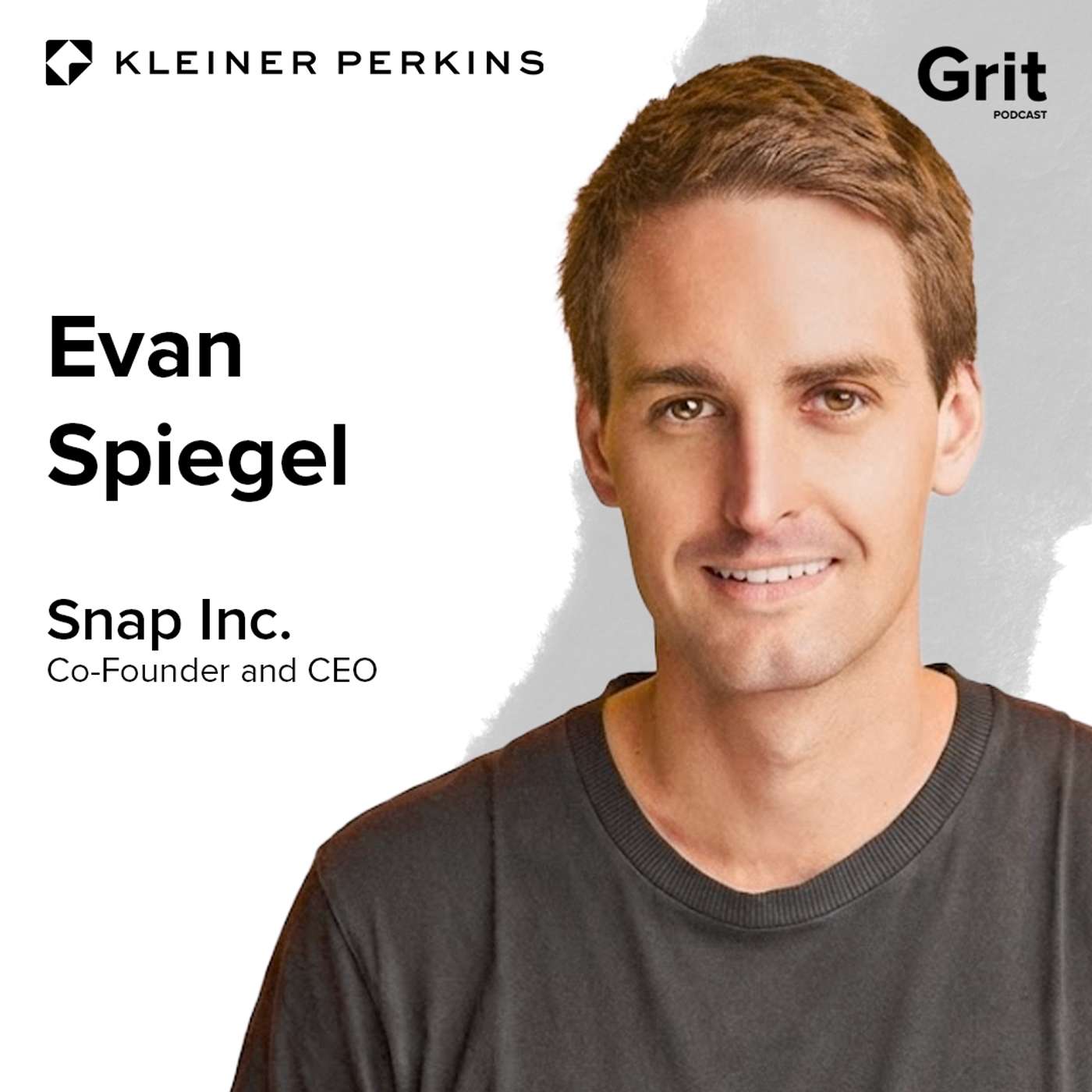
Evan Spiegel intentionally resisted hiring Product Managers in the early days to avoid a culture where designers merely create visuals from specs. By making designers do the PM work themselves, he ensured they owned product direction and strategy, establishing a strong, designer-led culture from the start.
The team avoids traditional design reviews and handoffs, fostering a "process-allergic" culture where everyone obsessively builds and iterates directly on the product. This chaotic but passionate approach is key to their speed and quality, allowing them to move fast, make mistakes, and fix them quickly.

Snap prefers hiring designers directly out of school, believing other tech companies instill bad habits like focusing on hierarchy over creative risk-taking. This approach, combined with a small, flat team structure, is designed to protect raw creativity.
To foster growth and create a self-sufficient organization, leaders should grant designers extreme ownership rather than directing their work. This forces them to make hard decisions, which is the fastest way to become a better designer.
At Snap, all features must receive design approval before shipping. Evan Spiegel views this function as a crucial, intentional bottleneck. While it can slow down development and annoy other teams, he believes it is essential for maintaining a cohesive, high-quality customer experience across the entire product.