Get your free personalized podcast brief
We scan new podcasts and send you the top 5 insights daily.
By keeping the engineering team small and flat, Method Security minimizes communication nodes. This structure allows them to ship features incredibly fast and remain creatively generative, which they see as a significant competitive advantage in the early stages.

Related Insights
By strictly limiting team size, a company is forced to hire only the “best in the world” for each role. This avoids the dilution of talent and communication overhead that plagues growing organizations, aiming to perpetually maintain the high-productivity “mind meld” of a founding team.

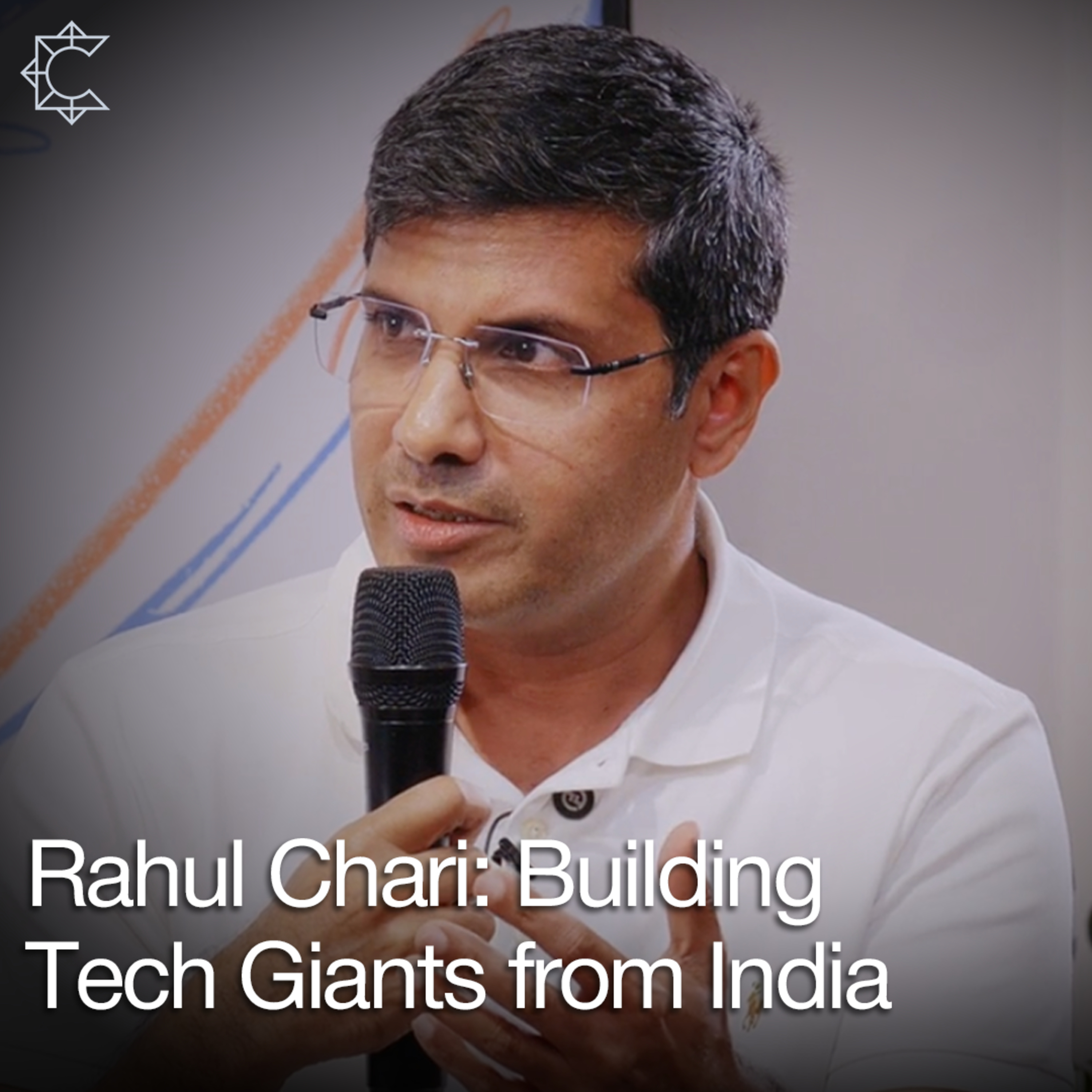
Recoiling from Flipkart's complex leveling system (which spawned an "SD 2.5" role), PhonePe's CTO implemented a flat hierarchy with minimal titles. This structure aims to focus engineers on impact and capability growth, rather than chasing promotions and labels.
The V0 team operates with minimal product management oversight, empowering product-minded engineers (often ex-founders) to make 95% of product decisions directly. This sacrifices potentially "perfect" choices for a dramatic increase in development velocity.

Contradicting the common startup goal of scaling headcount, the founders now actively question how small they can keep their team. They see a direct link between adding people, increasing process, and slowing down, leveraging a small, elite team as a core part of their high-velocity strategy.
PostHog manages its 16+ product suite by assigning small, autonomous teams of roughly three engineers to each product. This "compound startup" approach allows them to go wide, competing with multiple point solutions while remaining flat and avoiding bureaucracy. The small team structure fosters ownership and rapid development.

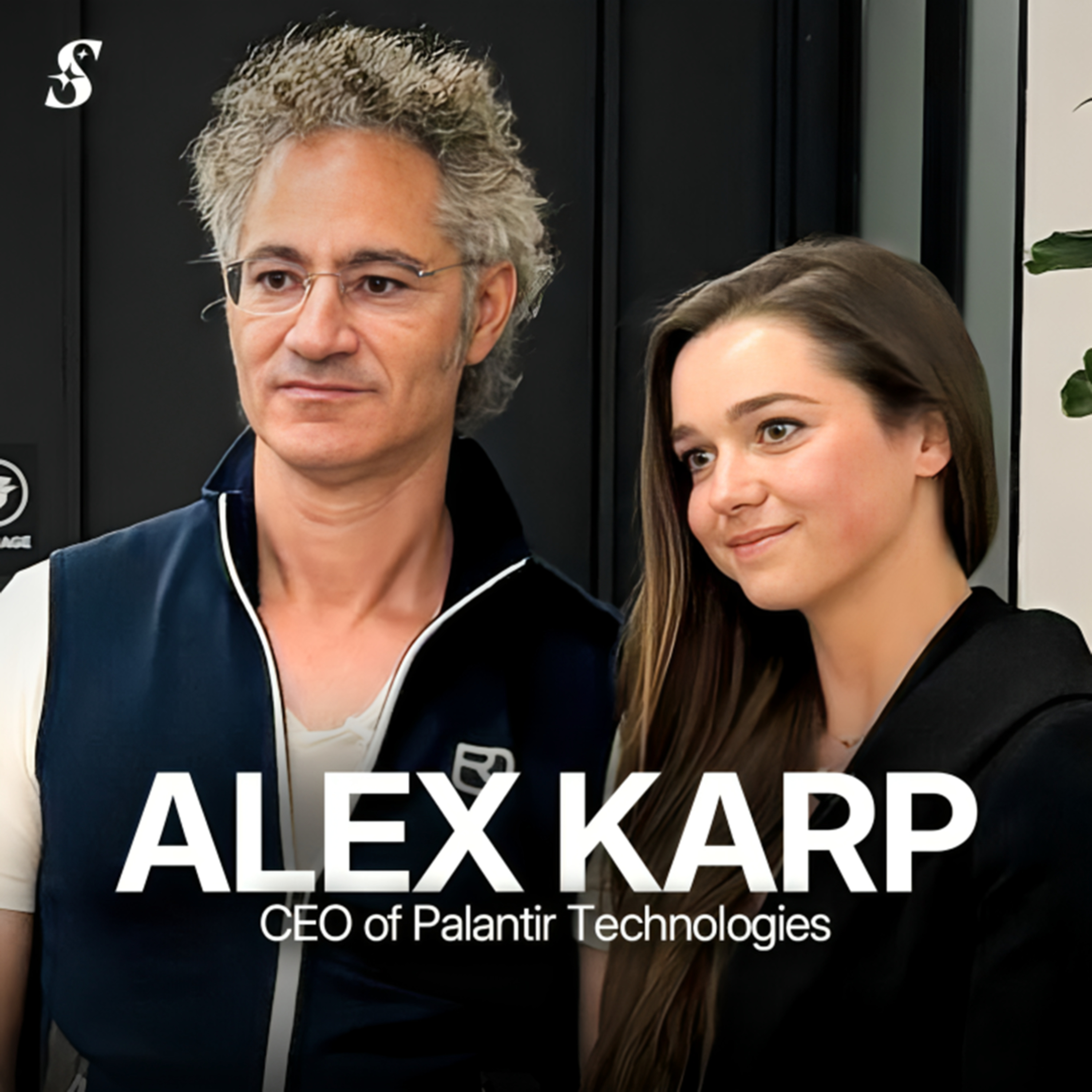
A company's rate of aging is directly correlated with its layers of hierarchy. By maintaining a very flat structure, 20-year-old Palantir "anti-ages," retaining the fresh, agile vibe and rapid decision-making of a young startup while possessing the scale and knowledge of a mature company.
Drawing from experience at big tech, Surge AI's founder believes large organizations slow down top performers with distractions. By building a super-small, elite team, companies can achieve more with less overhead, a principle proven by Surge's own success.

Instead of building massive teams around one or two products, Anduril launches dozens of products, each with a small, lean, autonomous team. The founder finds this approach easier to manage as it avoids middle management bloat, keeps the 'cooks in the kitchen' to a minimum, and leverages natural team dynamics.

To avoid bureaucratic bloat, organize the company into small, self-sufficient "pods" of no more than 10 people. Each pod owns a specific problem and includes all necessary roles. Performance is judged solely on the pod's impact, mimicking an early-stage startup's focus.
Gamma scaled to a $2B valuation with only 50 people by innovating on org design, not just product. They prioritize hiring generalists over specialists and use a 'player-coach' model instead of a traditional management layer. This keeps the team lean, agile, and close to the actual work.
