Get your free personalized podcast brief
We scan new podcasts and send you the top 5 insights daily.
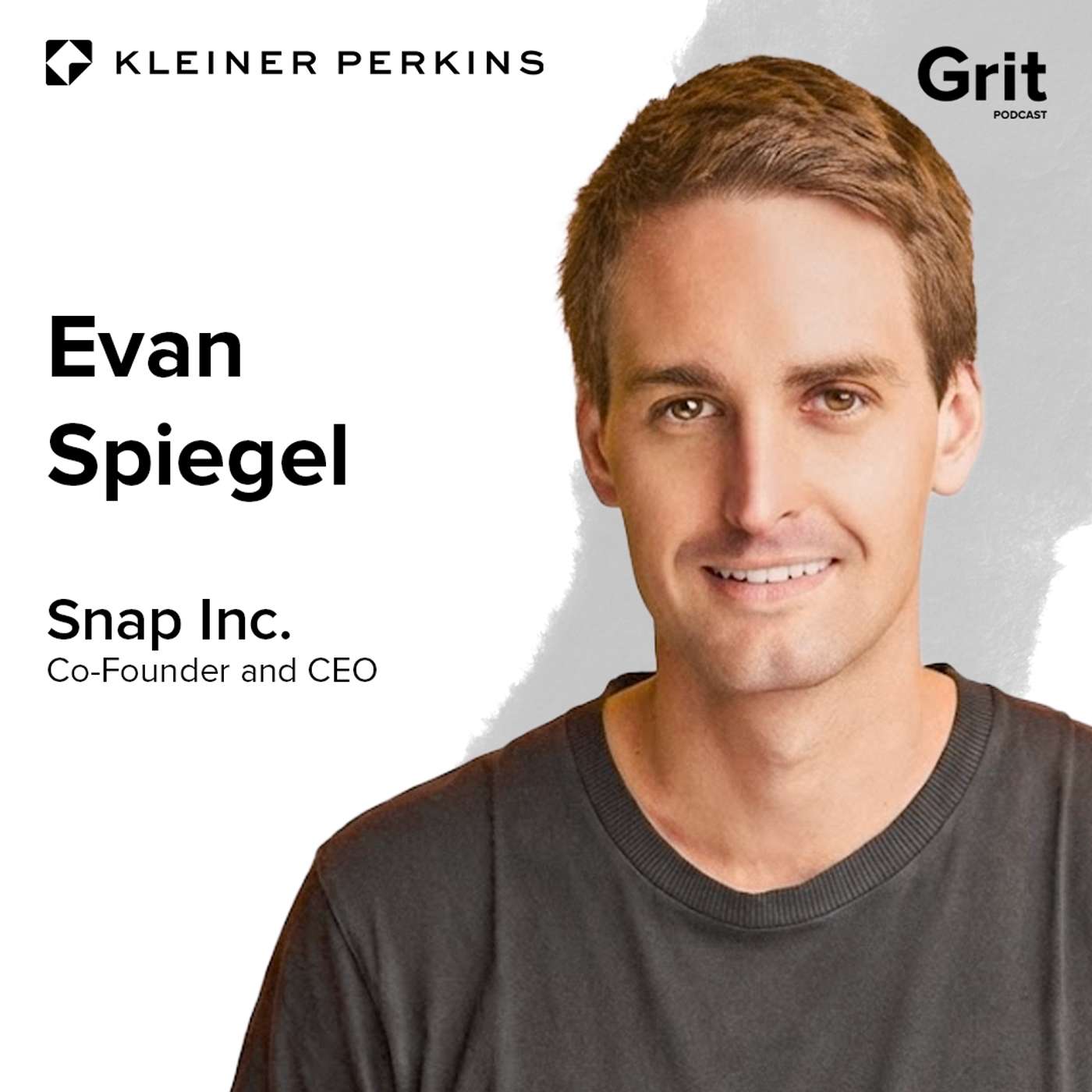
Snap prefers hiring designers directly out of school, believing other tech companies instill bad habits like focusing on hierarchy over creative risk-taking. This approach, combined with a small, flat team structure, is designed to protect raw creativity.
Related Insights
The ideal early startup employee has an extreme bias for action and high agency. They identify problems and execute solutions without needing approvals, and they aren't afraid to fail. This contrasts sharply with candidates from structured environments like consulting, who are often more calculated and risk-averse.

Guidara deliberately avoided hiring people with extensive fine-dining experience. Newcomers are less beholden to industry norms and more likely to ask "why," challenging long-held assumptions. This 'intelligent naivety' can be a superpower for innovation, preventing stagnation.

When building core AI technology, prioritize hiring 'AI-native' recent graduates over seasoned veterans. These individuals often possess a fearless execution mindset and a foundational understanding of new paradigms that is critical for building from the ground up, countering the traditional wisdom of hiring for experience.

At Crisp.ai, the core value is that the best argument always wins, regardless of who it comes from—a new junior employee or the company founder. This approach flattens hierarchy and ensures that the best ideas, which often originate from those closest to the product and customers (engineers, PMs), are prioritized.

The common practice of hiring for "culture fit" creates homogenous teams that stifle creativity and produce the same results. To innovate, actively recruit people who challenge the status quo and think differently. A "culture mismatch" introduces the friction necessary for breakthrough ideas.

Aravind Srinivas intentionally avoids hiring candidates with established track records from large tech companies. He believes people hungry for their first major success are more motivated and better suited for a startup's intensity than those who may be less driven after a previous big win.

Don't default to hiring people who have "done the job before," even at another startup. Unconventional hires from different backgrounds (e.g., archaeologists in customer success) can create unique creativity. The priority should be finding the right fit for your company's specific stage and needs, not just checking an experience box.

Countering conventional wisdom, Shopify's design leader argues that deep, long-held context often leads to incrementalism. He believes designers can onboard to new problems quickly, and their resulting naivety and fresh perspective are more valuable assets for driving true innovation.

Evan Spiegel uses a unique proxy to gauge company culture: whether employees' children want to work at Snap. He believes kids are perceptive and will only express this desire if their parents consistently bring home positive energy and fulfillment from their job.