Get your free personalized podcast brief
We scan new podcasts and send you the top 5 insights daily.
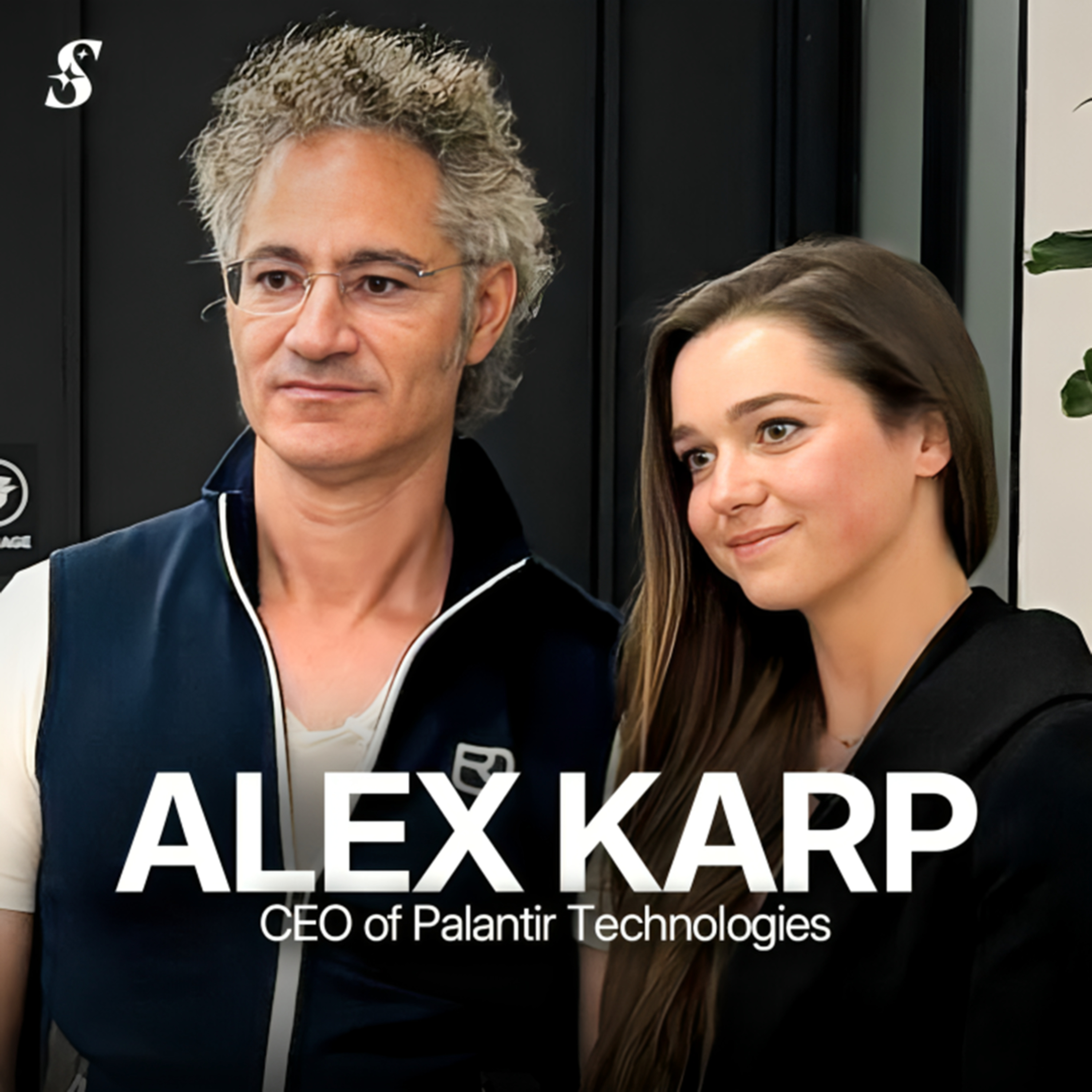
A company's rate of aging is directly correlated with its layers of hierarchy. By maintaining a very flat structure, 20-year-old Palantir "anti-ages," retaining the fresh, agile vibe and rapid decision-making of a young startup while possessing the scale and knowledge of a mature company.
Related Insights
To speed up Ring, returning founder Jamie Siminoff bypassed traditional management layers. He elevated high-potential, more junior employees to report directly to him, not as managers, but as individual contributors running key initiatives. This broke up hierarchies and increased ownership.

Recoiling from Flipkart's complex leveling system (which spawned an "SD 2.5" role), PhonePe's CTO implemented a flat hierarchy with minimal titles. This structure aims to focus engineers on impact and capability growth, rather than chasing promotions and labels.
Huang eschews traditional hierarchy, engaging directly with employees at all levels and delivering feedback publicly. This "parallel processing" management style ensures rapid, simultaneous learning across the organization, mirroring the architecture of the GPUs his company builds and creating a uniquely flat structure for a company of its size.

Large corporations can avoid stagnation by intentionally preserving the "scrappy" entrepreneurial spirit of their early days. This means empowering local teams and market leaders to operate with an owner's mindset, which fosters accountability and keeps the entire organization agile and innovative.

Palantir's success stems from its "anti-playbook" culture. It maintains a flat, meritocratic structure that feels like a startup despite its size. This environment fosters original thinking and rewards those who excel outside of rigid, conventional frameworks, turning traditionally undervalued traits into strengths.
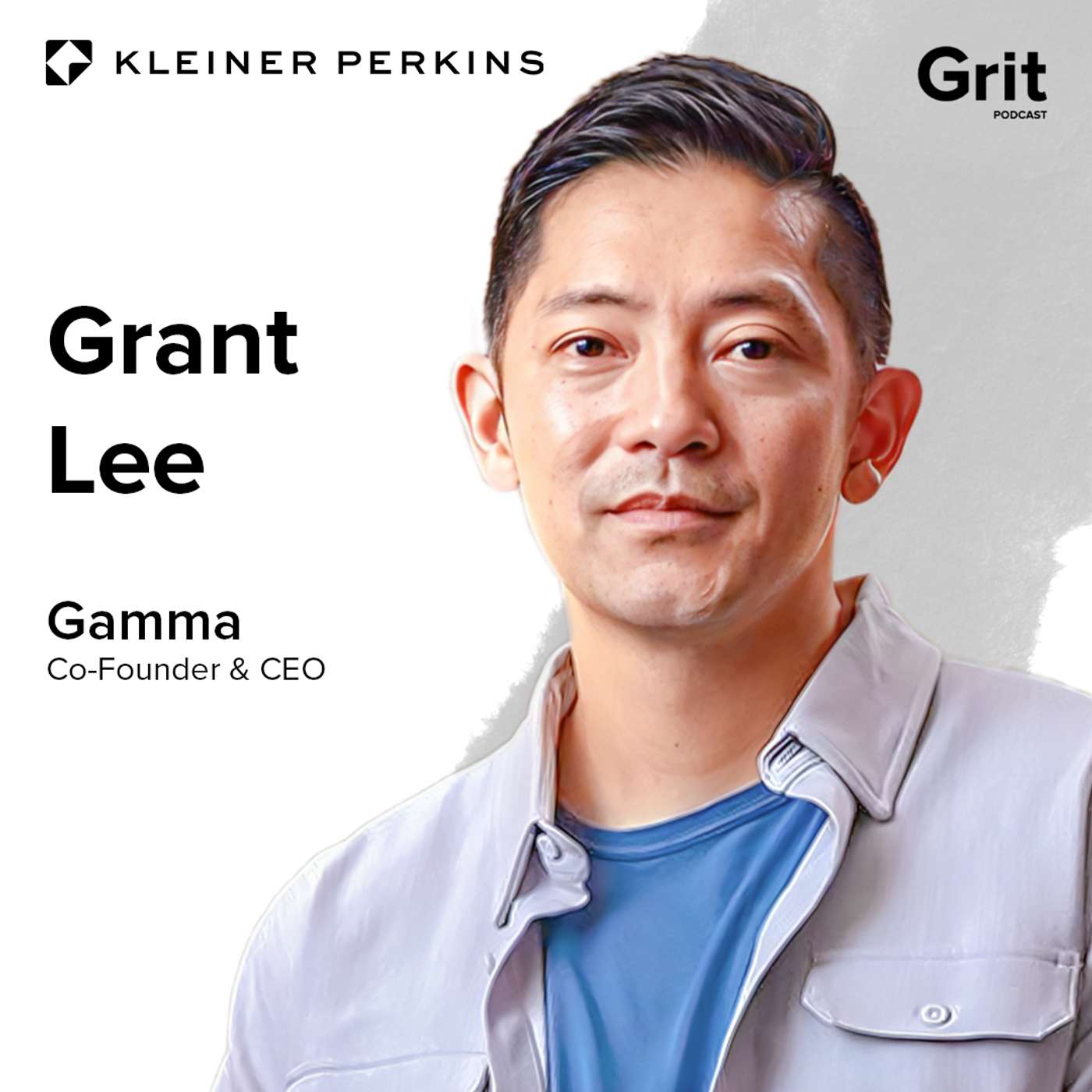
Gamma maintains a flat, high-impact organization by eschewing traditional managers. Instead, all leaders are "player-coaches"—they actively contribute as individual contributors while also mentoring their teams. This keeps leadership close to the work and empowers teams to adapt quickly without top-down commands.

At Crisp.ai, the core value is that the best argument always wins, regardless of who it comes from—a new junior employee or the company founder. This approach flattens hierarchy and ensures that the best ideas, which often originate from those closest to the product and customers (engineers, PMs), are prioritized.
Contrary to the popular bottoms-up startup ethos, a top-down approach is crucial for speed in a large organization. It prevents fragmentation that arises from hundreds of teams pursuing separate initiatives, aligning everyone towards unified missions for faster, more coherent progress.

Instead of traditional managers, Gamma hires "player-coaches"—leaders who actively contribute to the work, like shipping code, while also mentoring their team. This model maintains a flat structure, keeps leadership grounded, and works best in a lean organization.
Jensen Huang maintains an extremely flat organization with around 60 direct reports and no one-on-one meetings. This unconventional structure is designed to accelerate information travel, empower senior leaders, and weed out those who can't operate without direct guidance.
