Get your free personalized podcast brief
We scan new podcasts and send you the top 5 insights daily.
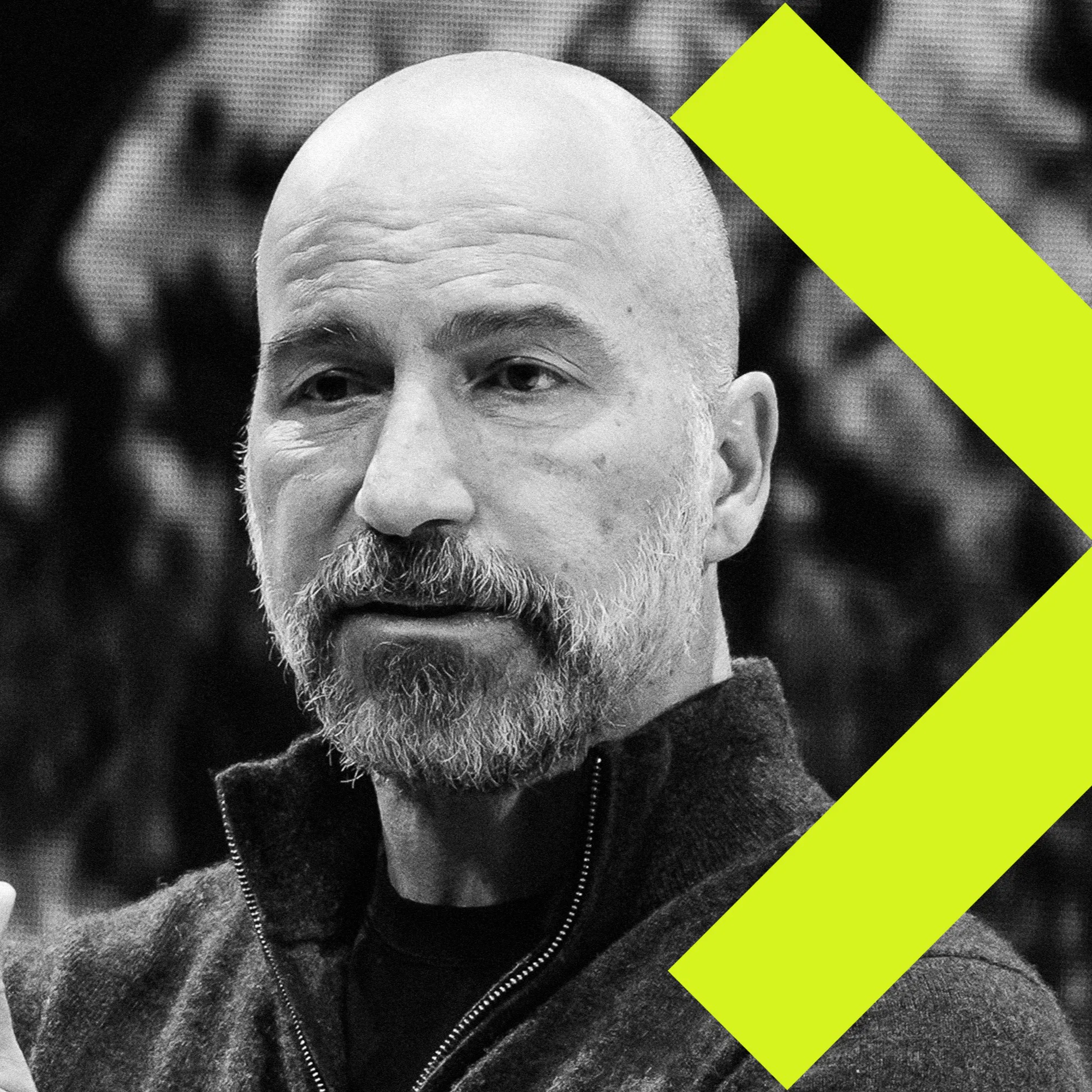
Dara Khosrowshahi challenges the common pattern of large companies becoming more conservative. He argues that as a company's resilience increases with scale and cash flow, its capacity to take bigger, innovation-driving risks grows, making larger mistakes more survivable.
Related Insights
The common belief is that large companies don't experiment enough. According to Cisco's Jeetu Patel, the real failure is their inability to go 'all in' when an experiment works. They tend to keep hedging their bets instead of decisively doubling down on a clear winner.

Contrary to conventional wisdom, pursuing massive, hard-to-solve ideas makes it easier to attract capital and top talent. Investors prefer the binary risk-reward of huge outcomes, and the best employees want to work on world-changing problems, not incremental improvements like a new calendar app.

Instead of lengthy post-mortems, Khosrowshahi advocates for a simpler process: quickly understand what went wrong, learn the lesson, and immediately move on to building the next thing. He believes over-examination can stifle momentum and create a culture of fear.
Corporate creativity follows a bell curve. Early-stage companies and those facing catastrophic failure (the tails) are forced to innovate. Most established companies exist in the middle, where repeating proven playbooks and playing it safe stifles true risk-taking.

Alphabet's success with long-term projects like Waymo illustrates a key innovation model. The stable cash flow from a core business provides a safety net, allowing high-risk, capital-intensive ventures to survive years of losses and uncertainty—a luxury most VC-backed startups don't have.

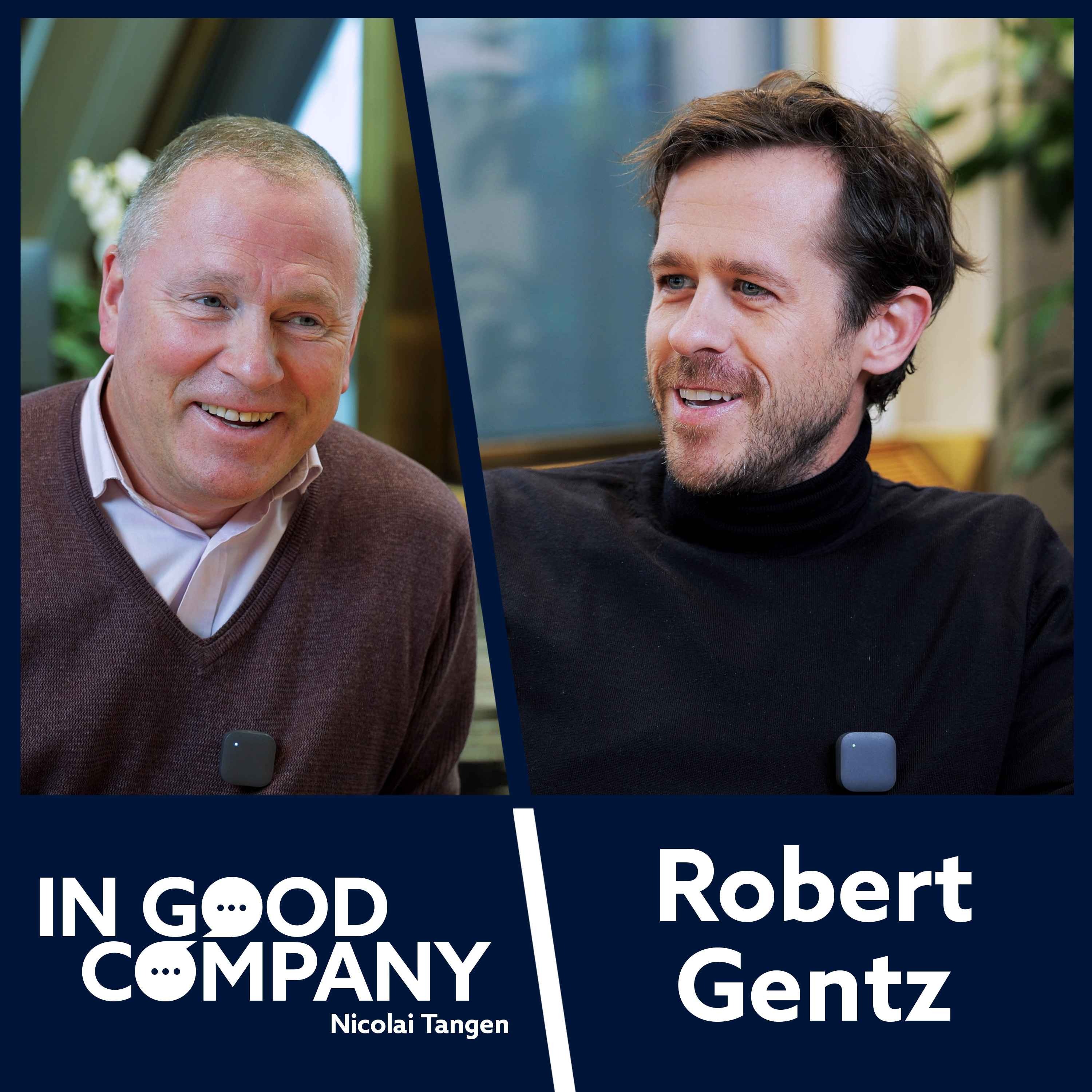
To nurture risk-taking, Zalando champions a "dare to fail" principle. Co-CEO Robert Gens warns the alternative is a culture analogous to "poker without blinds"—a game where nobody bets without a perfect hand. This risk-averse environment stifles the calculated risks needed for innovation and growth.
Uber's early, ambitious investment in autonomous vehicles faced opposition from a key investor. This investor preferred to protect existing gains rather than fund a long-term, capital-intensive project that could have transformed Uber into a trillion-dollar company, revealing a conflict between founder vision and investor risk aversion.
With his bioelectrical engineering background, Dara Khosrowshahi frames the CEO role as a large-scale engineering challenge. He sees companies as machines run by people, where the leader's job is to design the system, set the right goals, and assemble the components to achieve a desired output.

Founders with personal wealth and companies with massive cash-cow businesses, like Google's search ads, can afford to pursue high-risk, long-term projects like Waymo. This financial security allows them to endure long periods of unprofitability in pursuit of breakthrough innovations.

Dara Khosrowshahi manages Uber's position with a dual identity. Internally, he cultivates a startup culture where everyone feels like an underdog fighting for survival. Externally, with regulators and partners, the company acknowledges its scale and embraces the responsibilities that come with it.
