Get your free personalized podcast brief
We scan new podcasts and send you the top 5 insights daily.
Dara Khosrowshahi manages Uber's position with a dual identity. Internally, he cultivates a startup culture where everyone feels like an underdog fighting for survival. Externally, with regulators and partners, the company acknowledges its scale and embraces the responsibilities that come with it.

Related Insights
Dara Khosrowshahi credits Barry Diller with teaching him a vital leadership tactic: go directly to the source. The higher you get, the more information is filtered by the organization. To avoid disastrous errors of judgment, leaders must actively fight this curated information flow and seek raw data from front-line employees.
Base fosters a "chop wood, carry water" culture where leaders are still individual contributors. The founding team set this tone by writing the first code and installing the first batteries themselves. This ensures a hands-on, problem-solving mindset permeates the company as it scales.

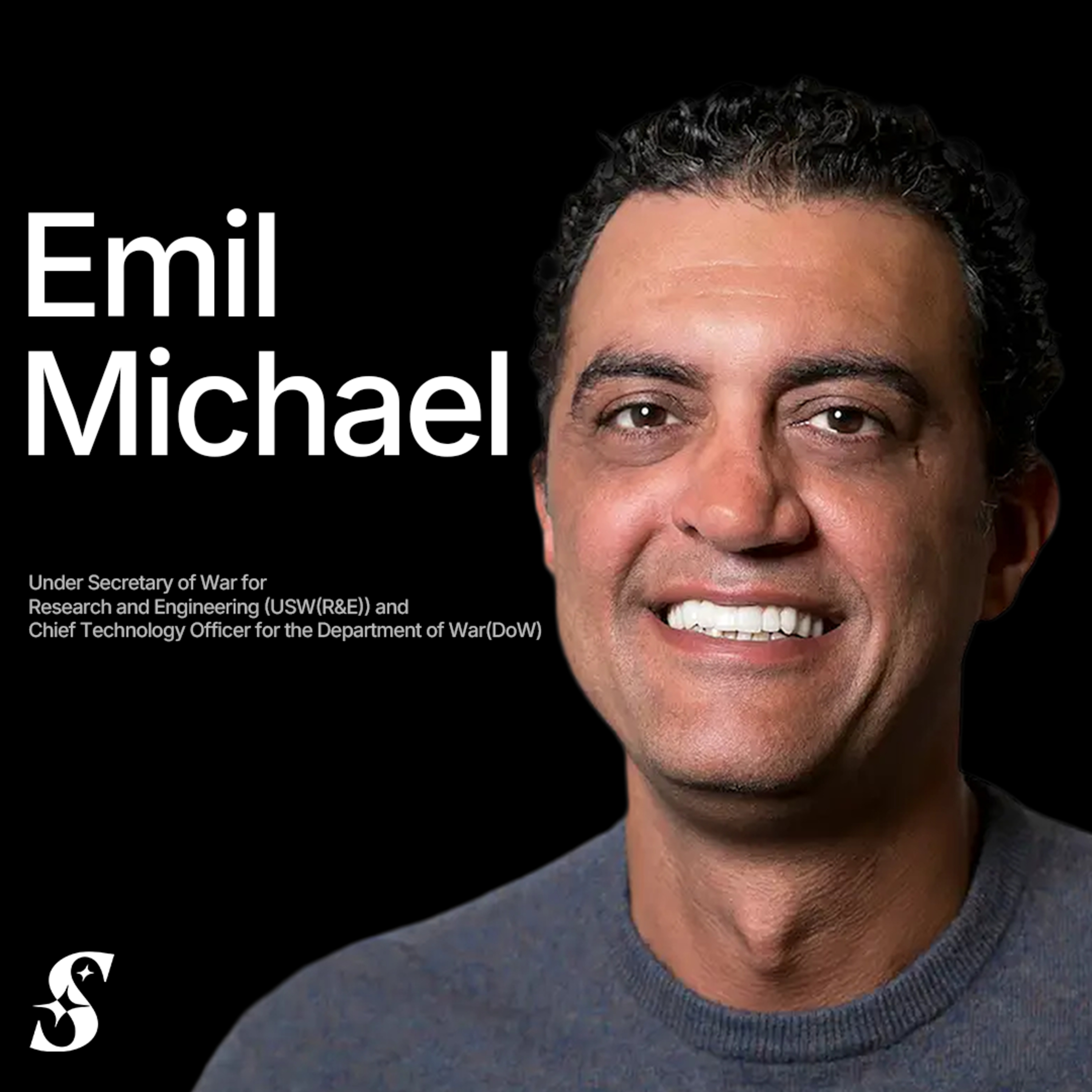
The Under Secretary of War, a former Uber executive, likens his government role to his startup experience. The key parallel is being a "political disruptor" who examines a massive, entrenched bureaucracy like the Department of War with a "clean sheet of paper," questioning existing processes and empowering change from first principles.
Instead of replacing leaders at each growth stage, the Uber Eats management team was built like an "organism" with complementary strengths and was kept largely intact from launch to a $20 billion run rate. This proves a cohesive team that can learn together is more valuable than constantly hiring for "scale experience."

Large corporations can avoid stagnation by intentionally preserving the "scrappy" entrepreneurial spirit of their early days. This means empowering local teams and market leaders to operate with an owner's mindset, which fosters accountability and keeps the entire organization agile and innovative.

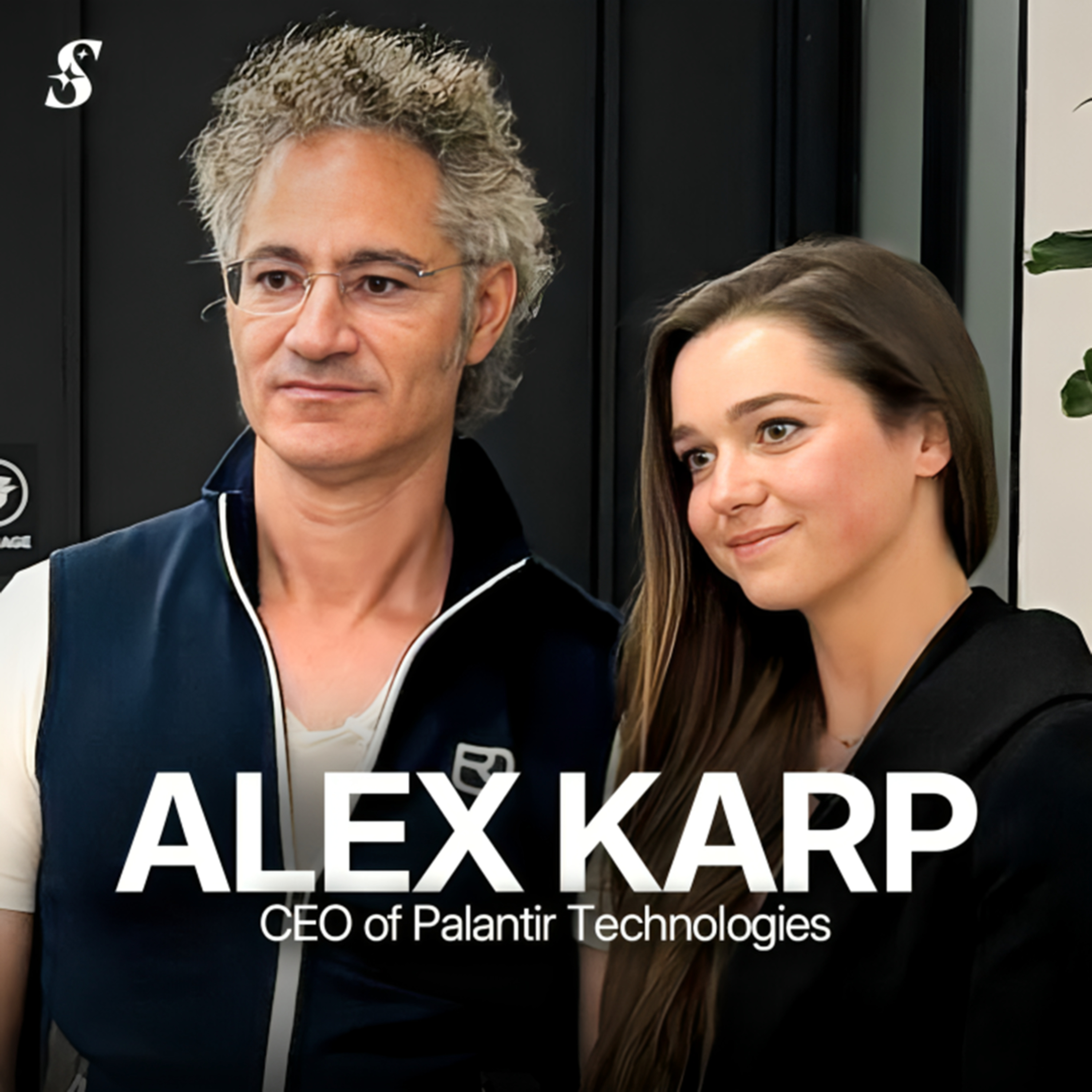
Palantir's success stems from its "anti-playbook" culture. It maintains a flat, meritocratic structure that feels like a startup despite its size. This environment fosters original thinking and rewards those who excel outside of rigid, conventional frameworks, turning traditionally undervalued traits into strengths.
Dara Khosrowshahi describes a two-step innovation process. First, let teams compete to rapidly "hack" a solution and find product-market fit. Second, once a winner emerges, the organization must systematize and automate that solution through engineering to make it scalable and part of the core platform.
To challenge an incumbent with massive network effects, Dara Khosrowshahi suggests startups shouldn't attack head-on. Instead, they should find a niche, like a smaller city or a specific service (e.g., two-wheelers), build concentrated local liquidity there, and then replicate that model city-by-city.
Dubbed "Travis's Law," Uber's core political innovation was turning its passionate customer base into a powerful lobbying force. By building advocacy tools directly into their product, startups can mobilize users to defeat powerful, entrenched incumbents in regulated industries.

Dominant aggregator platforms are often misjudged as being vulnerable to technological disruption (e.g., Uber vs. robo-taxis). Their real strength lies in their network, allowing them to integrate and offer new technologies from various providers, thus becoming beneficiaries rather than victims of innovation.
