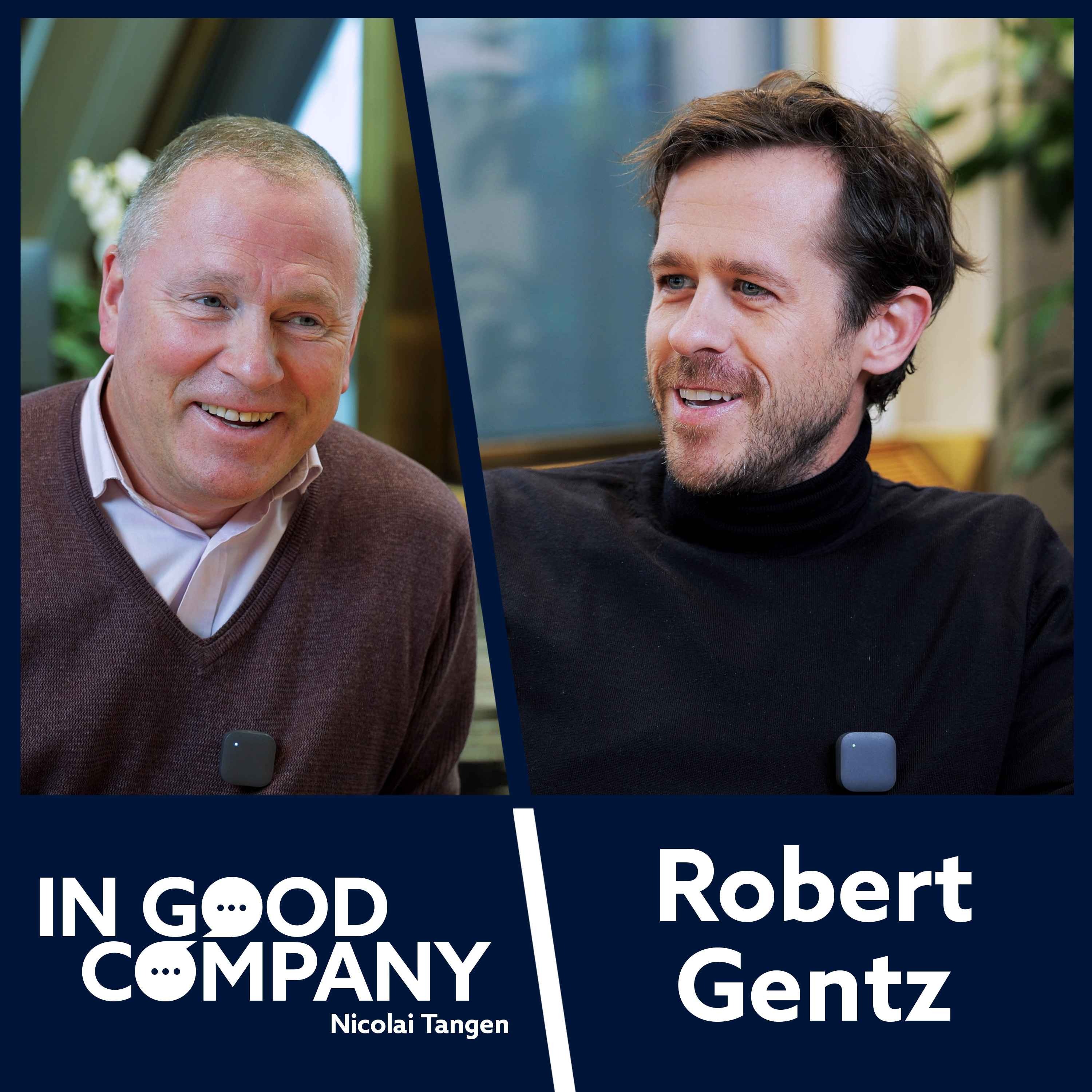
Starting during the financial crisis forced Zalando's founders to intensely scrutinize every expense, such as debating a €60 report. This ingrained a culture of frugality and resourcefulness that has remained a core part of their identity even at massive scale, where every euro is treated like their own.
Zalando didn't try to stock everything at once. They first targeted very specific, high-intent searches like "Adidas Zamba size 46." Winning these allowed them to build capital and inventory to then capture broader searches for brands, categories, and eventually entire markets, creating a scalable growth loop.
Zalando leveraged its extensive European logistics footprint, initially built for its B2C business, into a new B2B revenue stream. Brands can now use this infrastructure to manage their own e-commerce fulfillment across the continent, avoiding massive CapEx and gaining network benefits.
To combat returns, Zalando's AI analyzes a user's photos, purchase history, and data from similar customers to predict the correct size for a new item. The ultimate goal is to become so confident in its predictions that for some products, the user won't even need to select a size at all.
Zalando created a feature that mines its sales and search data to show consumers and brands what items, styles, and colors are trending in specific cities like Berlin or Paris. This provides valuable, real-time market intelligence for brands and an engaging discovery tool for shoppers, externalizing data as a product.
To nurture risk-taking, Zalando champions a "dare to fail" principle. Co-CEO Robert Gens warns the alternative is a culture analogous to "poker without blinds"—a game where nobody bets without a perfect hand. This risk-averse environment stifles the calculated risks needed for innovation and growth.
Robert Gens believes Europe has a massive opportunity to create its own "European Dream" as a talent magnet. He posits that as the "American Dream" becomes more exclusive, Europe can offer a more inclusive, democratic, and values-driven environment for entrepreneurs to build their businesses.
After 17 years, Zalando's co-founder believes the key traits for founders are curiosity and humility. Curiosity enables learning from everyone and making good decisions, while humility ensures respect for challenges and prevents overconfidence from past successes.