Get your free personalized podcast brief
We scan new podcasts and send you the top 5 insights daily.
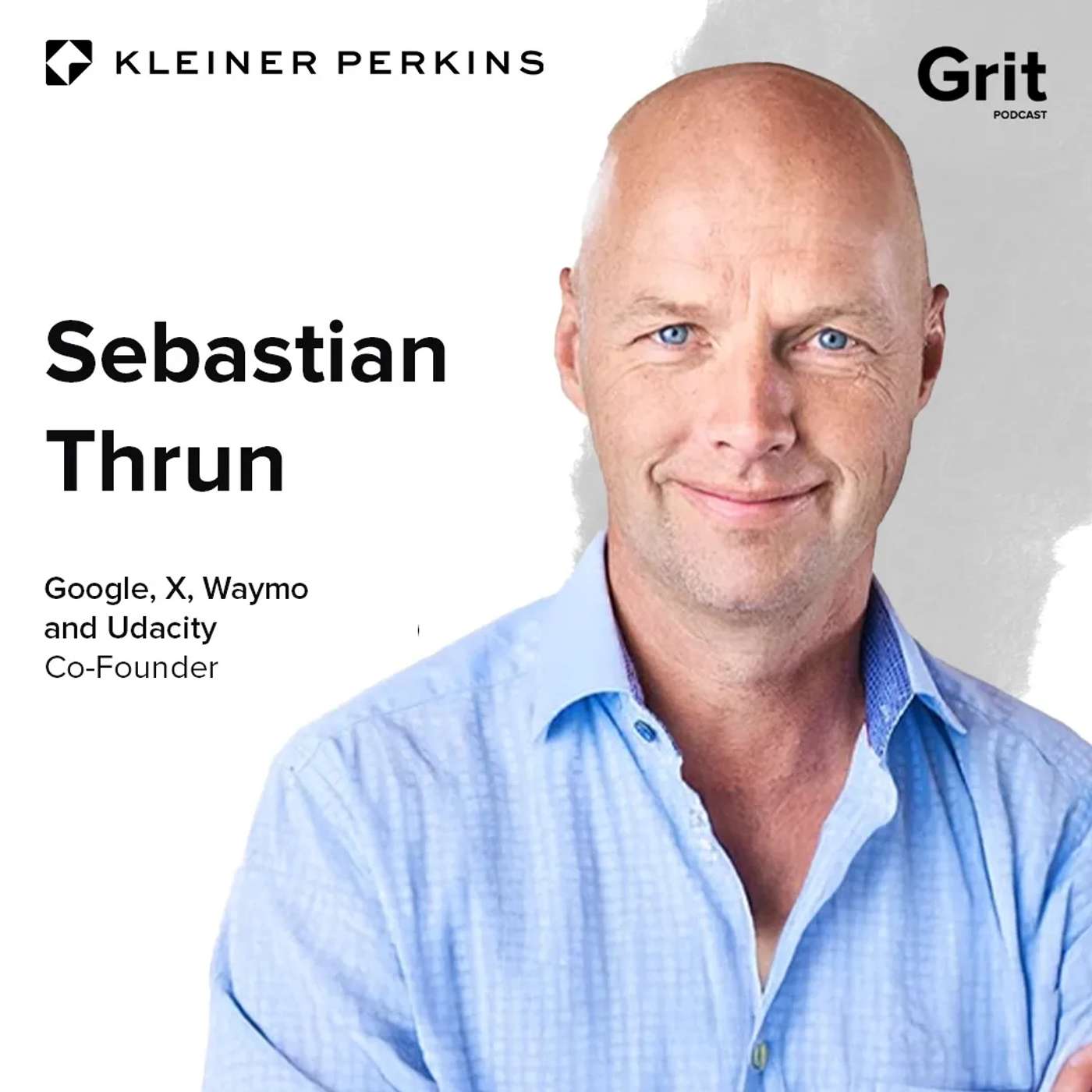
Founders with personal wealth and companies with massive cash-cow businesses, like Google's search ads, can afford to pursue high-risk, long-term projects like Waymo. This financial security allows them to endure long periods of unprofitability in pursuit of breakthrough innovations.

Related Insights
When investing in high-risk, long-development categories like autonomous vehicles, the key signal is undeniable consumer pull. Once Waymo became the preferred choice in San Francisco, it validated the investment thesis despite a decade of development and high costs.
![David George - Building a16z Growth, Investing Across the AI Stack, and Why Markets Misprice Growth - [Invest Like the Best, EP.450] thumbnail](https://megaphone.imgix.net/podcasts/8da7dbd8-ceeb-11f0-941c-ef83bcdd4c9f/image/d44107bc94719f78fbe91befb141073e.jpg?ixlib=rails-4.3.1&max-w=3000&max-h=3000&fit=crop&auto=format,compress)
Contrary to popular belief, successful entrepreneurs are not reckless risk-takers. They are experts at systematically eliminating risk. They validate demand before building, structure deals to minimize capital outlay (e.g., leasing planes), and enter markets with weak competition. Their goal is to win with the least possible exposure.

Alphabet's success with long-term projects like Waymo illustrates a key innovation model. The stable cash flow from a core business provides a safety net, allowing high-risk, capital-intensive ventures to survive years of losses and uncertainty—a luxury most VC-backed startups don't have.

While OpenAI's projected losses dwarf those of past tech giants, the strategic goal is similar to Uber's: spend aggressively to achieve market dominance. If OpenAI becomes the definitive "front door to AI," the enormous upfront investment could be justified by the value of that monopoly position.

While OpenAI's projected multi-billion dollar losses seem astronomical, they mirror the historical capital burns of companies like Uber, which spent heavily to secure market dominance. If the end goal is a long-term monopoly on the AI interface, such a massive investment can be justified as a necessary cost to secure a generational asset.

In capital-intensive sectors, the idea is secondary to the founder's ability to act as a magnet. Their primary function is to relentlessly attract elite talent and secure continuous funding to survive long development timelines before revenue.
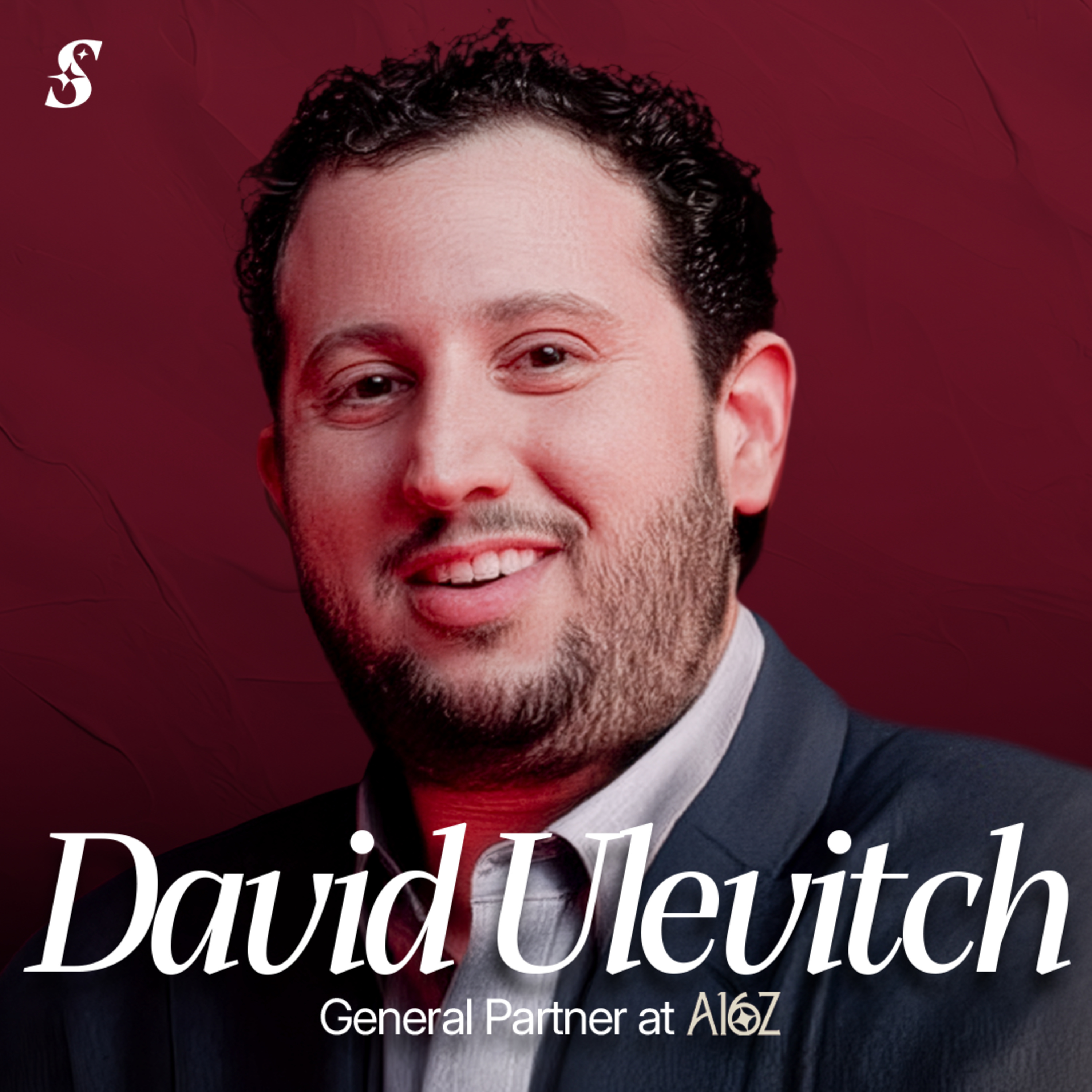
Companies pursuing revolutionary technologies like autonomous driving (Waymo) or VR (Reality Labs) must endure over a decade of massive capital burn before profitability. This affirms venture capital's core role in funding these long-term, high-risk, high-reward endeavors.

Companies tackling moonshots like autonomous vehicles (Waymo) or AGI (OpenAI) face a decade or more of massive capital burn before reaching profitability. Success depends as much on financial engineering to maintain capital flow as it does on technological breakthroughs.
Unlike the dot-com era funded by high-risk venture capital, the current AI boom is financed by deep-pocketed, profitable hyperscalers. Their low cost of capital and ability to absorb missteps make this cycle more tolerant of setbacks, potentially prolonging the investment phase before a shakeout.

Google's Larry Page taught Sebastian Thrun that radical innovation is often easier than incremental improvement. A moonshot project attracts world-class talent and capital, while an incremental business like a pizza restaurant requires risking personal savings against fierce competition for little recognition.