Get your free personalized podcast brief
We scan new podcasts and send you the top 5 insights daily.
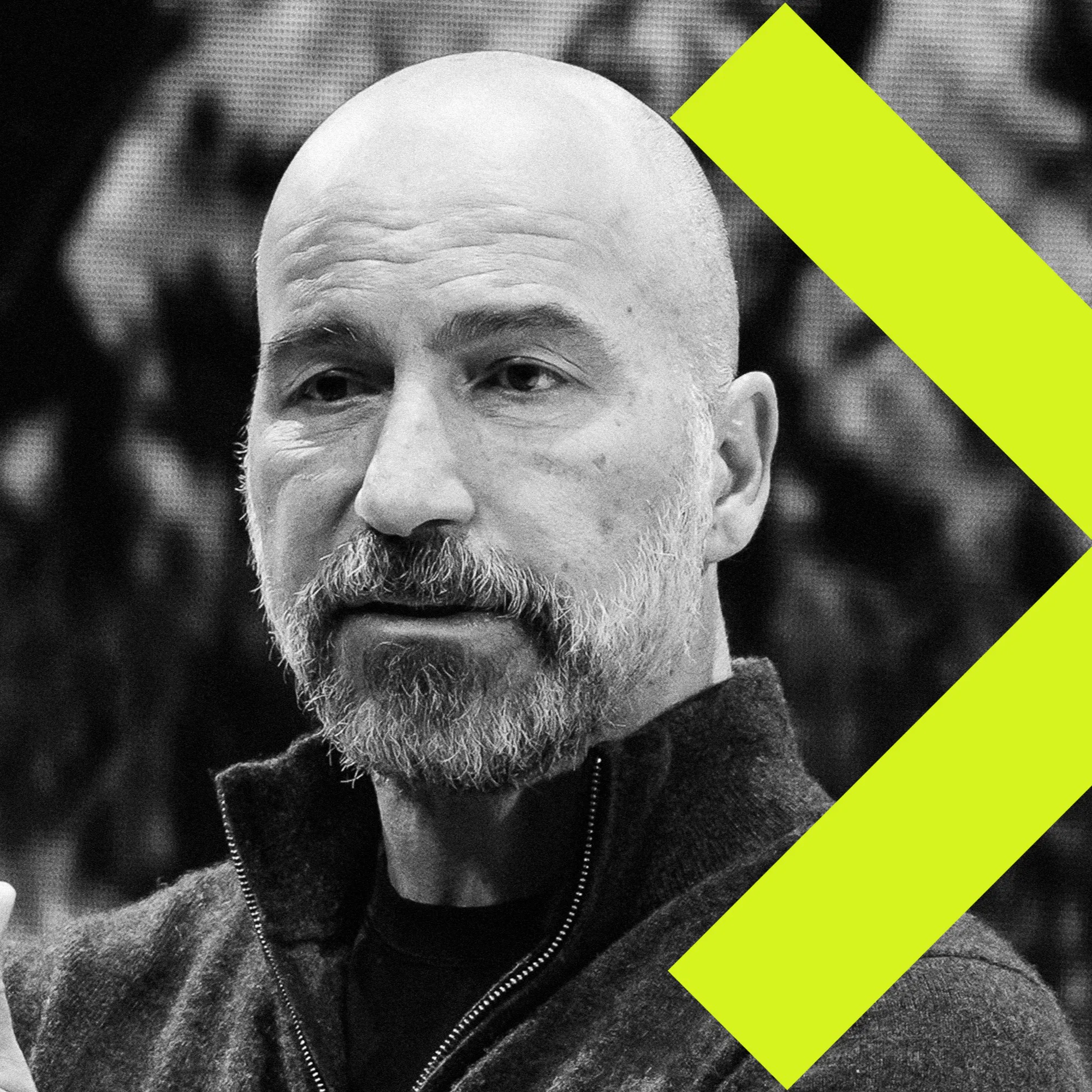
Instead of lengthy post-mortems, Khosrowshahi advocates for a simpler process: quickly understand what went wrong, learn the lesson, and immediately move on to building the next thing. He believes over-examination can stifle momentum and create a culture of fear.
Related Insights
Dara Khosrowshahi challenges the common pattern of large companies becoming more conservative. He argues that as a company's resilience increases with scale and cash flow, its capacity to take bigger, innovation-driving risks grows, making larger mistakes more survivable.
To prevent a culture of blame, Sierra holds public "lessons learned" sessions for any failure, from lost deals to bugs. This frames failure as a collective responsibility of the team, not an individual's fault. The focus is on fixing the underlying system, fostering paranoia about processes, not people.

The default assumption for any 'moonshot' idea is that it is likely wrong. The team's immediate goal is to find the fatal flaw as fast as possible. This counterintuitive approach avoids emotional attachment and speeds up the overall innovation cycle by prioritizing learning over being right.

Dara Khosrowshahi believes that for a CEO to receive honest, unfiltered information, they must first be radically transparent. He views this as a self-defense mechanism; if leaders sugarcoat reality, employees will do the same, starving the CEO of the hard truths needed for good decision-making.

With his bioelectrical engineering background, Dara Khosrowshahi frames the CEO role as a large-scale engineering challenge. He sees companies as machines run by people, where the leader's job is to design the system, set the right goals, and assemble the components to achieve a desired output.
Leaders like LinkedIn's Reid Hoffman and Netflix's Reid Hastings view a lack of failure not as perfection, but as a red flag for insufficient risk-taking and slow progress. They believe making mistakes is a necessary byproduct of innovation and achieving ambitious goals.

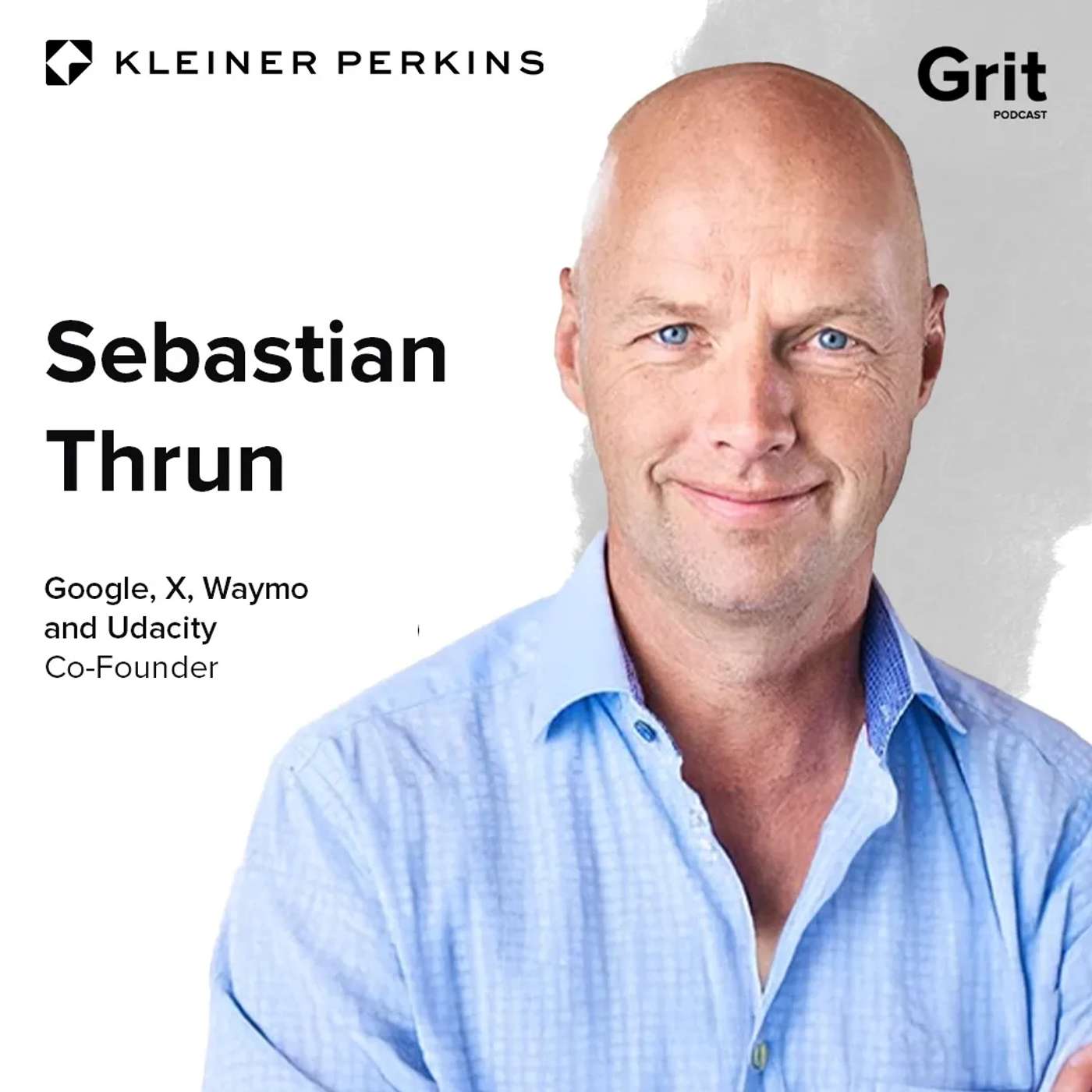
Sebastian Thrun advises innovators to eliminate guilt and fear, estimating 80% of his work is correcting mistakes. Feeling guilty about errors stifles risk-taking and leads to safe, incremental work. Instead, he treats mistakes purely as learning opportunities to be applied in the future.
The popular tech mantra is incomplete. Moving fast is valuable only when paired with rapid learning from what breaks. Without a structured process for analyzing failures, 'moving fast' devolves into directionless, costly activity that burns out talent and capital without making progress, like a Tasmanian devil.

Menlo's culture operates on the principle that when mistakes happen, the system is at fault, not the individual. This approach removes fear and blame, encouraging the team to analyze and improve the processes that allowed the error to occur, fostering a culture of continuous improvement.

Marc Andreessen argues that for elite performers like founders, excessive introspection and dwelling on past mistakes leads to paralysis. The most successful operators maintain a relentless forward focus on execution, a mindset where action trumps rumination. This is critical for navigating the high-stakes, fast-paced startup environment.