Get your free personalized podcast brief
We scan new podcasts and send you the top 5 insights daily.
Uber's early, ambitious investment in autonomous vehicles faced opposition from a key investor. This investor preferred to protect existing gains rather than fund a long-term, capital-intensive project that could have transformed Uber into a trillion-dollar company, revealing a conflict between founder vision and investor risk aversion.

Related Insights
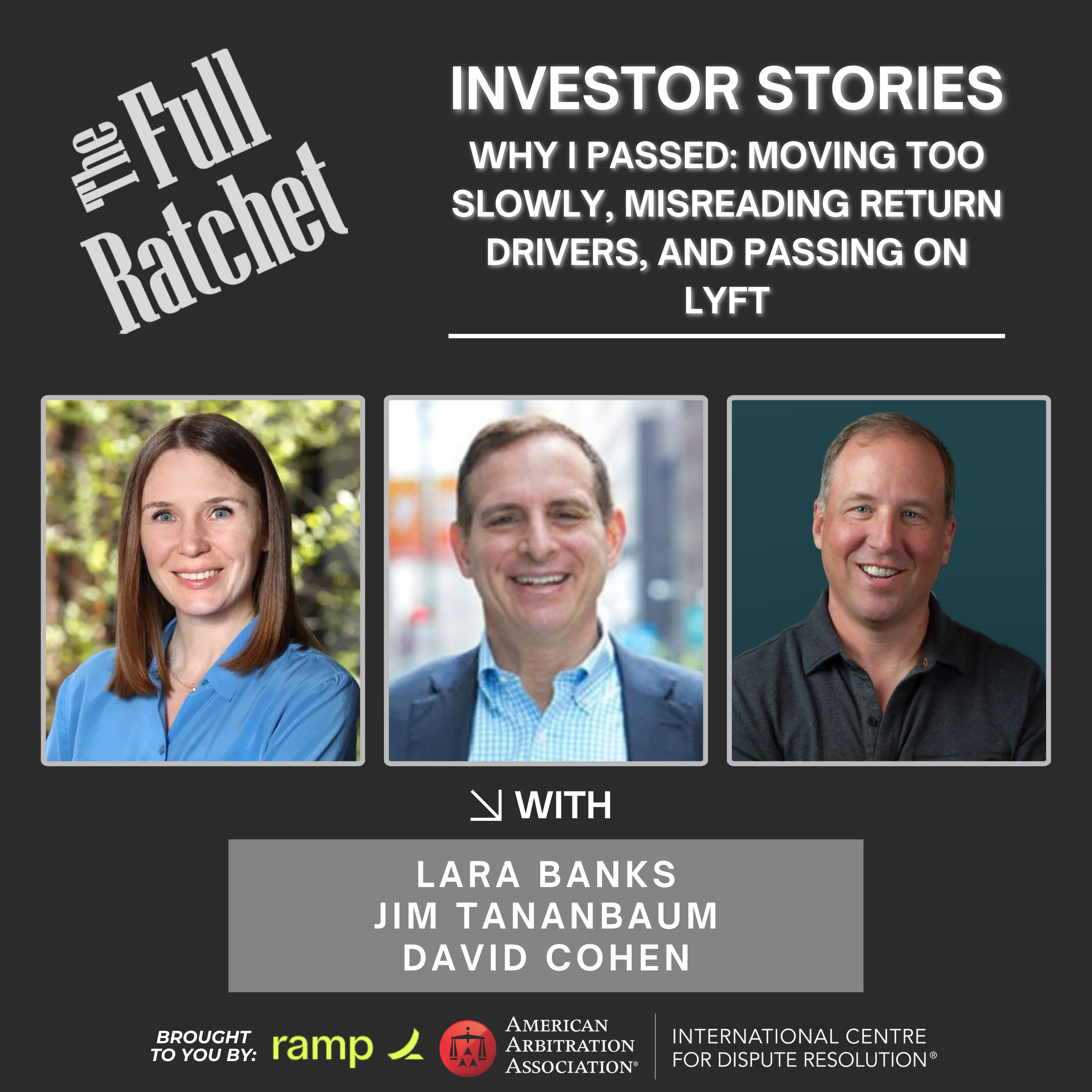
David Cohen missed investing in Lyft (then Zimride) because he was already an investor in Uber and thought Zimride's initial idea was flawed. He now advises early-stage investors to prioritize a strong team and their market belief over the specific initial product, as pivots are very common.
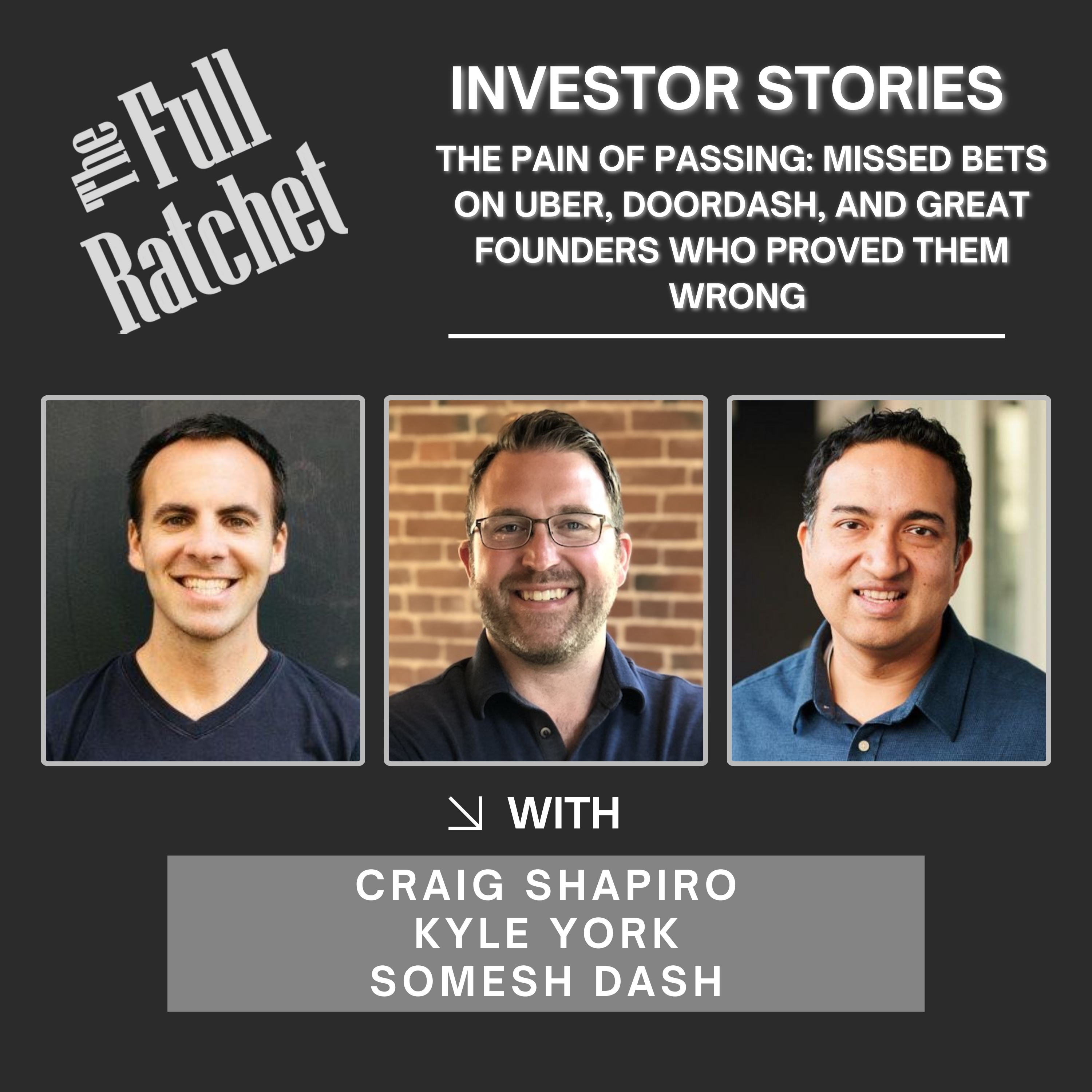
Collaborative Fund's Craig Shapiro passed on Uber's seed round ($4M valuation) because he perceived it as a 'black car' service for the rich. This highlights the common investor mistake of underestimating a market by failing to see how a premium service can eventually democratize an entire industry.
To encourage OEMs like Lucid to build autonomous vehicles, Uber plans to make offtake commitments and even purchase some cars itself. This strategic, short-term investment aims to prove the economic model and build market confidence.

While capital is necessary, an overabundance is dangerous. Large secondaries can make founders comfortable and misaligned with investors. Excessive primary capital leads to bloat, unfocused strategy, and removes the pressure that drives invention. This moral hazard often leads to worse outcomes than being capital-constrained.

A VC recounts advising founders to accept a massive acquisition offer during a market bubble, but they refused. Prioritizing his 'people-first' philosophy, he supported their decision to continue building. This choice ultimately cost the company, investors, and employees a potential $25-30 billion outcome when the market later corrected, highlighting a major conflict between financial optimization and founder support.

Mark Cuban highlights the conflict for founders with VC funding: VCs need rapid growth for an exit, which can force founders into risky decisions that dilute equity below 50% and risk the company's long-term health.

Founders must have conviction, as even their most sophisticated investors can fundamentally misjudge a bold strategic shift. A Sequoia Capital partner admits their own investors strongly opposed a pivotal move into logistics, demonstrating that founder vision must sometimes override expert consensus.

Companies pursuing revolutionary technologies like autonomous driving (Waymo) or VR (Reality Labs) must endure over a decade of massive capital burn before profitability. This affirms venture capital's core role in funding these long-term, high-risk, high-reward endeavors.

Despite its current success, Uber's value could be far greater. Had founder Travis Kalanick remained CEO, his hyper-aggressive, product-first approach would have pushed Uber to be five years ahead in autonomous driving and achieve near-total dominance in food delivery, pushing its valuation toward the trillion-dollar mark.

Satya Nadella reveals that the initial billion-dollar investment in OpenAI was not an easy sell. He had to convince a skeptical board, including a hesitant Bill Gates, about the unconventional structure and uncertain outcome. This highlights that even visionary bets require navigating significant internal debate and political capital.
