Get your free personalized podcast brief
We scan new podcasts and send you the top 5 insights daily.
The story of finding a father's voice on a mislabeled cassette tape underscores the emotional power of unintended audio archives. In an age of deliberate documentation, this piece reveals the unique magic and profound connection that comes from discovering a voice preserved by pure chance.

Related Insights
Burns shares that his work of "waking the dead" through documentary filmmaking is directly fueled by the profound loss of his mother when he was 11. This reframes immense personal grief not as an obstacle to overcome, but as a foundational and enduring source of creative energy.

Reflecting on losing her father, Kara Swisher advises that the surviving parent should actively maintain connections with the deceased's family and friends. Her mother failed to do this, forcing Swisher to rediscover her father's history on her own as an adult—a painful process her children could have been spared.

The hit "Discover Weekly" playlist was meant to serve only new music. Its success was accidental, stemming from a bug that inserted familiar songs. This revealed a key principle of delight: pure novelty can be jarring, and blending it with familiarity is crucial for user adoption and comfort.

Memory doesn't work like a linear filing system. It's stored in associative patterns based on themes and emotions. When one memory is activated, it can trigger a cascade of thematically connected memories, regardless of when they occurred, explaining why a current event can surface multiple similar past experiences.
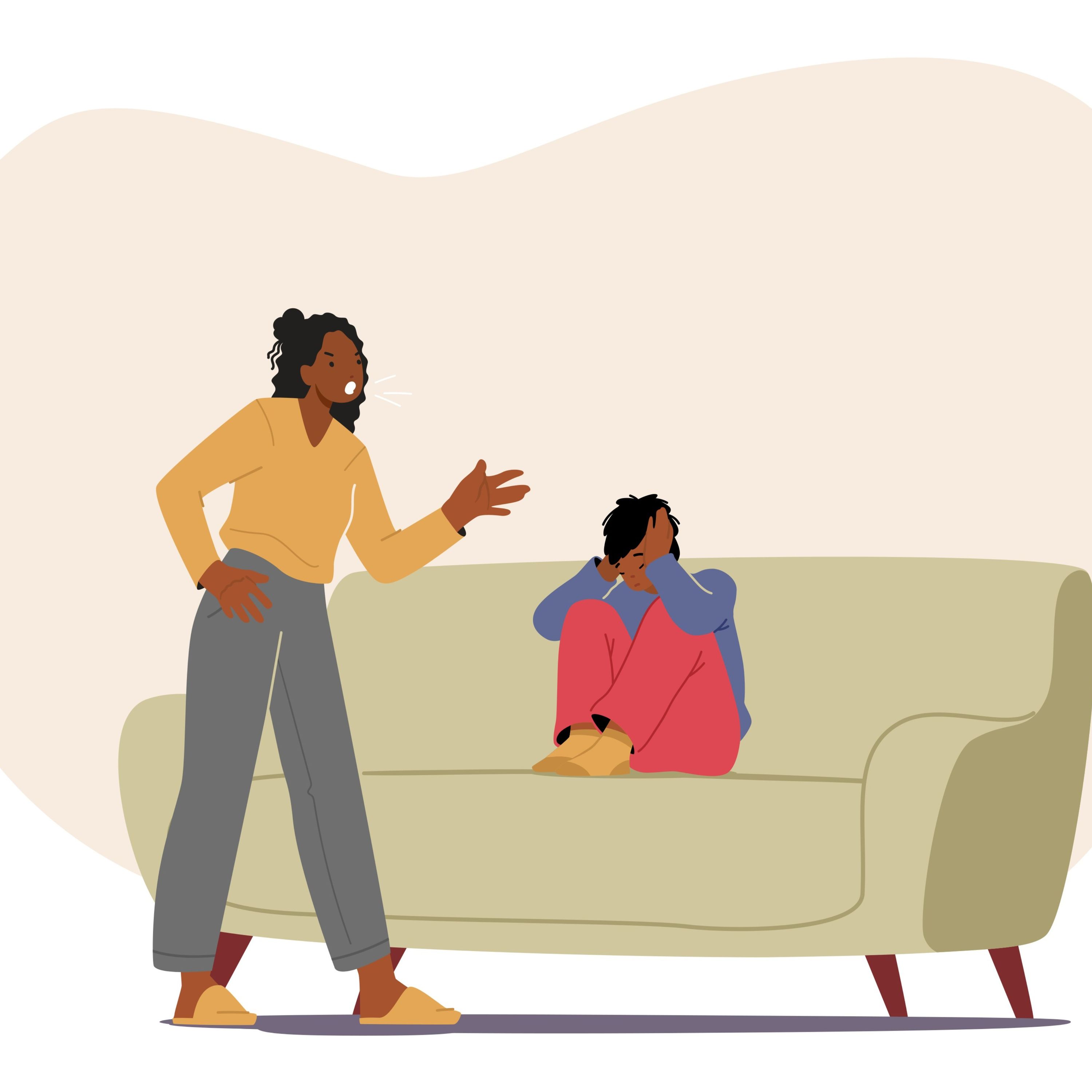
Artist Marc Dennis started writing his memoir not for an audience, but as a way to communicate with his younger brother after he passed away. This deeply personal, therapeutic act of writing daily letters evolved into a broader collection of life stories and memories, born from grief rather than ambition.
Artists can become emotionally detached from their own work over time. Experiencing profound personal hardship, while devastating, can be a 'gift' that forces a reconnection with the visceral emotions their music explores. This allows them to see their art through the fans' eyes again, understanding the catharsis their audience experiences on a much deeper level.

Gladwell observes that audio is inherently better at conveying emotion than detailed analysis, which often gets edited out of his podcasts. He suggests this cultural shift from written to oral mediums changes how stories are told and understood, favoring feeling over complex facts.

Projects like AudioFlux provide a space for seasoned creators like NPR journalist Gregory Warner to experiment with different formats and tones. This allows them to explore more personal narratives, showcasing a different side of their creative abilities than their primary professional work typically allows.
For professionals who find phone calls demanding and texting too superficial for relationship building, voice memos offer an effective middle ground. This asynchronous communication method allows for the nuance and personality of voice, fostering a deeper connection without the pressure of a real-time conversation.

Despite logistical challenges, video podcasts are powerful because hearing a voice and seeing a face taps into a primal part of the brain. This creates a deep sense of personal affection and "tribe" with the speaker that written words alone struggle to match.