Get your free personalized podcast brief
We scan new podcasts and send you the top 5 insights daily.
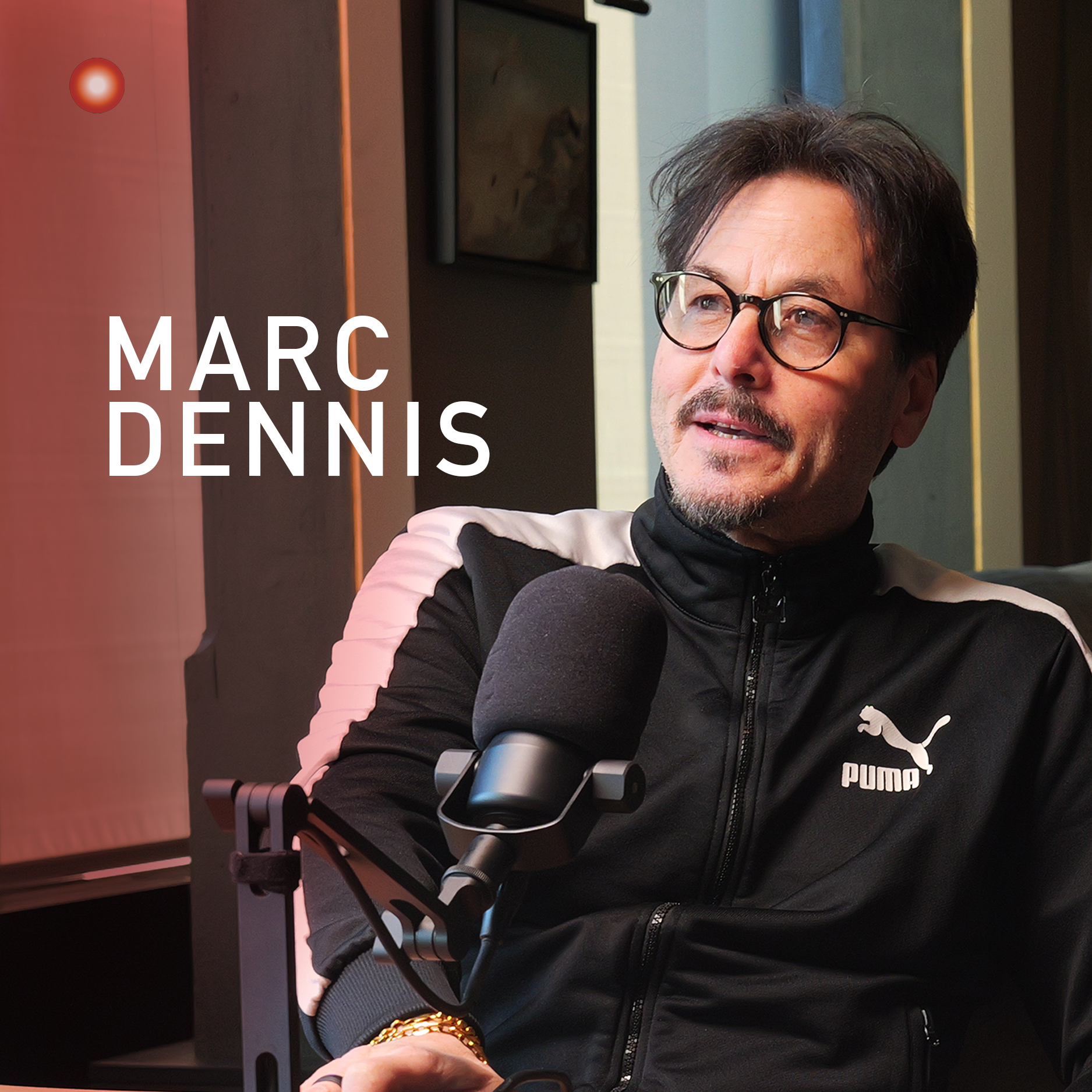
Artist Marc Dennis started writing his memoir not for an audience, but as a way to communicate with his younger brother after he passed away. This deeply personal, therapeutic act of writing daily letters evolved into a broader collection of life stories and memories, born from grief rather than ambition.
Related Insights
Artists can become emotionally detached from their own work over time. Experiencing profound personal hardship, while devastating, can be a 'gift' that forces a reconnection with the visceral emotions their music explores. This allows them to see their art through the fans' eyes again, understanding the catharsis their audience experiences on a much deeper level.

When faced with profound trauma like a loved one's terminal diagnosis, the act of writing becomes a lifeline. It is not about crafting a narrative for later but about processing overwhelming events as they unfold, creating a way to survive the horror.

Matthew McConaughey reveals a paradoxical use of writing. He initially journaled "so I could forget," clearing his mind. Decades later, he published those same entries to "remember" and reconnect with his core beliefs, using the process as a form of self-therapy to combat his own doubt.

Journaling is not just for self-reflection. The act of privately untangling fears and emotions on the page externalizes them, making it easier to name them and then discuss them openly with others. This private practice is a powerful tool for improving interpersonal communication.
Margaret Atwood differentiates a memoir from an autobiography. An autobiography is a factual, chronological account. A memoir, true to its name, is a curated collection of what one *remembers*—the stupid actions, catastrophes, near-death experiences, and emotional high points.
The three-term U.S. Poet Laureate began writing not to become a poet, but as a response to witnessing injustice against Native communities. Her work originated from a deep-seated need for healing and justice, framing art as a tool for survival and social change rather than just self-expression.

After starting a forest fire at age seven, a firefighter's comment about the animals that lost their homes struck Marc Dennis profoundly. This single, powerful memory of unintended consequences and displacement became a recurring theme he has painted about throughout his career.
Marc Dennis states his purpose is not self-expression or personal catharsis. Instead, he aims to create work that entertains others, providing a mirror for them to reflect upon and discover parts of themselves within his art. His success is measured by the audience's self-discovery.
As creators become successful, their comfortable lives can create a 'relatability crisis,' severing their connection to the struggles that fuel their art. To combat this, they must consciously 'pick open some scabs' from their past. Revisiting old heartbreaks, failures, and traumas becomes a necessary tool for finding authentic, resonant material when current life lacks friction.
After her mother died, having endured a toxic work culture while sick, founder Janice Omadeke used that painful memory as a motivator. She baked the mission to prevent others from having that experience into her company's DNA, transforming personal grief into a profound professional purpose.
