Get your free personalized podcast brief
We scan new podcasts and send you the top 5 insights daily.
Burns shares that his work of "waking the dead" through documentary filmmaking is directly fueled by the profound loss of his mother when he was 11. This reframes immense personal grief not as an obstacle to overcome, but as a foundational and enduring source of creative energy.

Related Insights
Judd Apatow suggests that trauma makes creatives hyper-observant and obsessive because they don't feel safe. This constant analysis of the world, born from a need to understand 'why,' becomes the raw material for art, whether it's comedy, music, or film.

Springsteen directly links the emotional neglect of his youth to the relentless drive in his music. He describes his career as a 'desperate, lifelong effort to rebuild' a sense of home, turning deep-seated pain into his primary source of creative fuel.

Unlike engineering where 1+1 must equal 2, great stories create a whole greater than the sum of its parts. This 'third' element is the mysterious, emotional connection that changes a person's point of view in a way logical arguments cannot.
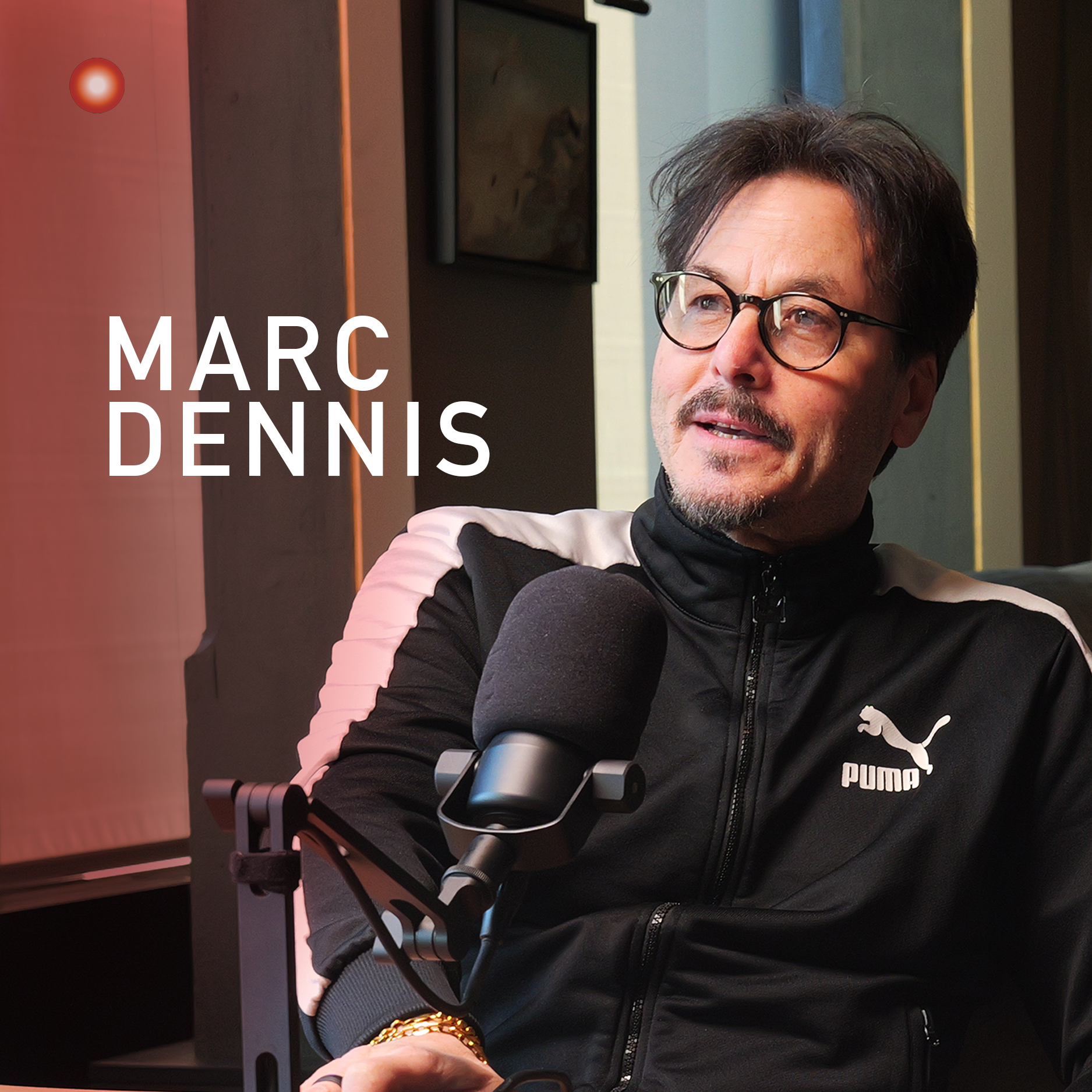
Artist Marc Dennis started writing his memoir not for an audience, but as a way to communicate with his younger brother after he passed away. This deeply personal, therapeutic act of writing daily letters evolved into a broader collection of life stories and memories, born from grief rather than ambition.
Artists can become emotionally detached from their own work over time. Experiencing profound personal hardship, while devastating, can be a 'gift' that forces a reconnection with the visceral emotions their music explores. This allows them to see their art through the fans' eyes again, understanding the catharsis their audience experiences on a much deeper level.
Using the analogy of mud statues hiding gold Buddhas, grief is framed not just as loss, but as the essential force accompanying every transformation. It strips away layers of conditioning and external projections, revealing your authentic, intuitive self.

The capacity for profound joy from simple things is intensified by having experienced life's hardships. Grief provides the necessary contrast that transforms tender moments from being merely "nice" into feeling "life-saving" and deeply meaningful.
As creators become successful, their comfortable lives can create a 'relatability crisis,' severing their connection to the struggles that fuel their art. To combat this, they must consciously 'pick open some scabs' from their past. Revisiting old heartbreaks, failures, and traumas becomes a necessary tool for finding authentic, resonant material when current life lacks friction.
Burns doesn't plan his film subjects logically. Instead, he follows intuitive connections from his current project to the next, like seeing a parallel between a Vietnam battle map and the Revolutionary War, which sparked his latest film.

After her mother died, having endured a toxic work culture while sick, founder Janice Omadeke used that painful memory as a motivator. She baked the mission to prevent others from having that experience into her company's DNA, transforming personal grief into a profound professional purpose.
