Get your free personalized podcast brief
We scan new podcasts and send you the top 5 insights daily.
When someone's core life narrative is broken, intellectual arguments about moving on are ineffective. The emotional gravity of the rupture constantly pulls them back, and attempts to "fix" them with logic can feel invalidating and frustrating for all parties involved.

Related Insights
The popular notion of "moving on" from trauma is a myth that suggests you can leave the past behind. A more realistic and healthier approach is to "move forward with it," integrating the experience into your identity. This acknowledges the permanent impact of the event while still allowing for growth and rebuilding.

People cite specific events like affairs or fights as the reason for divorce. However, the root cause is a gradual loss of the shared story and purpose that once united them. The triggering event is merely the final chapter, not the whole story of the decline.

A breakup isn't just the loss of a person; it's the death of a unique 'microculture' built for two. This shared world of inside jokes, special rituals, and private language is a core part of a couple's bond. Its sudden disappearance is a profound and devastating component of the heartbreak that follows a split.

Resolving unfinished business after a relationship ends is a personal task. Imaginary dialogues can be more effective for emotional processing than real conversations with the other person, who may be unavailable or unwilling. Closure comes from within, not from external validation.
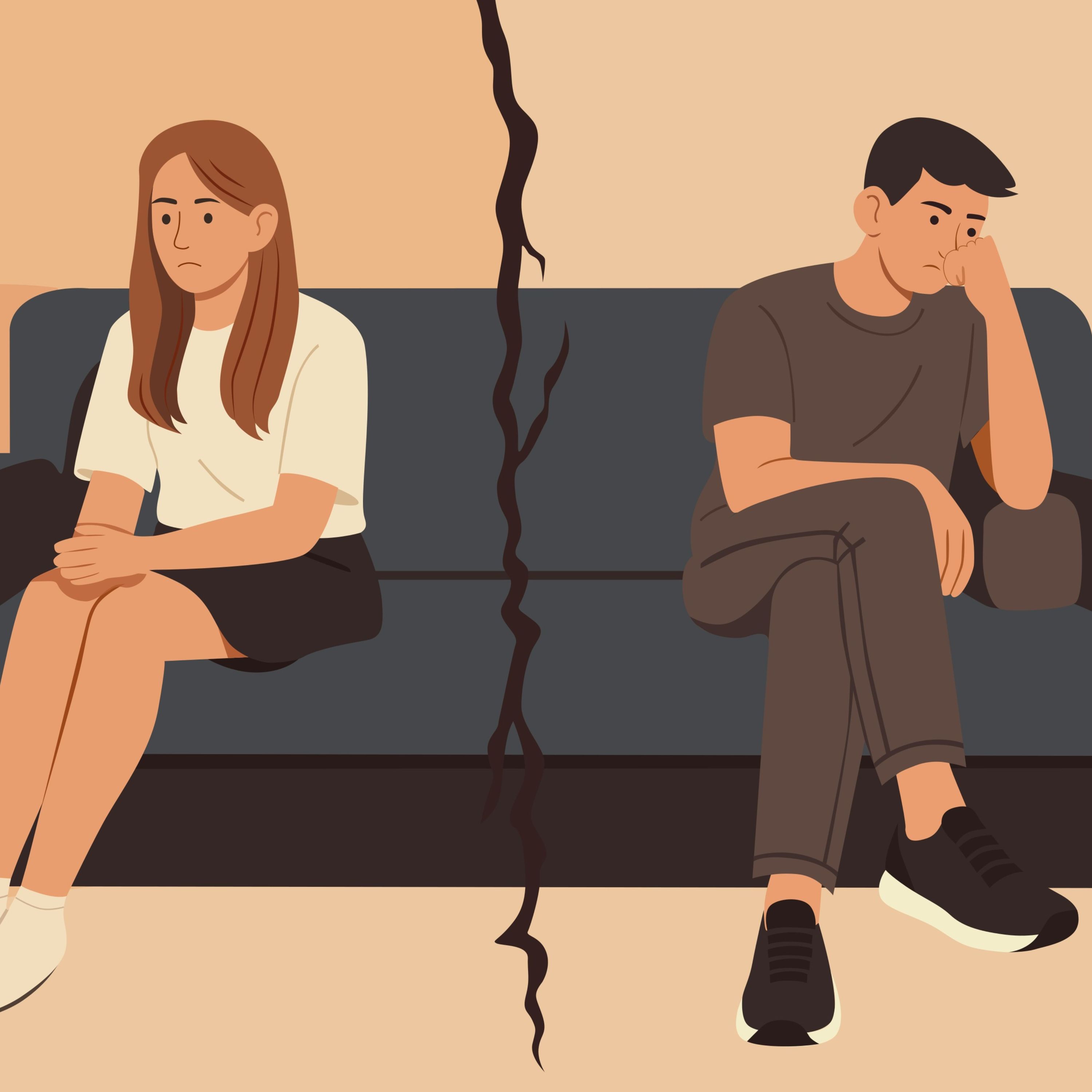
Couples often want to 'get back to the way things were' after an affair or major crisis. This is impossible. Like the 9/11 site, the old structure is gone. The only options are to abandon the site or excavate the rubble and consciously design and build a completely new, hopefully stronger, structure together.

When a friend is stuck in a post-breakup rumination loop, help them shift from a first-person perspective ('I feel sad') to a third-person one. Frame their experience as part of a larger life narrative. This encourages them to see their situation as a chapter in a story that isn't finished, prompting the question, 'Where to from here?'

A breakup is not simply the 'death' of a relationship. While both are profound losses, a breakup involves active rejection and a fundamental conflict of vision, where one person chooses to end the shared journey. This adds a layer of personal invalidation that is absent in grief over a death.
To effectively move on from a relationship, it is crucial to form a coherent story about why it ended. It doesn't matter if the narrative blames the ex or focuses on personal growth; what matters is that it makes sense to you. This process provides closure, reduces chaotic feelings, and fosters optimism for the future.
When a loved one is stuck in rumination, dropping the "therapist" role and focusing on simple, present-moment connection can be more healing. Shifting from problem-solving to lighter, more frequent, and less agenda-driven interactions can restore the relationship itself.
You cannot suppress incomplete issues from your childhood forever. In the context of an intimate relationship, this "junk" will inevitably and forcefully surface, no matter how hard you try to keep it down. The work is not to suppress it, but to deal with it when it emerges.