Get your free personalized podcast brief
We scan new podcasts and send you the top 5 insights daily.
A breakup is not simply the 'death' of a relationship. While both are profound losses, a breakup involves active rejection and a fundamental conflict of vision, where one person chooses to end the shared journey. This adds a layer of personal invalidation that is absent in grief over a death.

Related Insights
Moving on after a breakup is a solo project. While it's natural to seek answers from an ex, their refusal or inability to provide them is critical information. It reveals a truth about their character and priorities, forcing you to accept that they aren't the person you thought they were, which is a form of closure.
Breakups are uniquely destabilizing because they create a 'double whammy' of stress. You not only lose a person you cared about, but you also lose the primary individual you would typically turn to for support during a crisis. This dual loss leaves you without your main coping mechanism precisely when you need it most.

Catastrophic relationship failures are rarely caused by a single event. Instead, they are the result of hundreds of small moments where a minor conflict could have been repaired with validation or an apology, but wasn't. The accumulation of these unrepaired moments erodes the relationship's foundation over time.

People cite specific events like affairs or fights as the reason for divorce. However, the root cause is a gradual loss of the shared story and purpose that once united them. The triggering event is merely the final chapter, not the whole story of the decline.

A breakup isn't just the loss of a person; it's the death of a unique 'microculture' built for two. This shared world of inside jokes, special rituals, and private language is a core part of a couple's bond. Its sudden disappearance is a profound and devastating component of the heartbreak that follows a split.
Resolving unfinished business after a relationship ends is a personal task. Imaginary dialogues can be more effective for emotional processing than real conversations with the other person, who may be unavailable or unwilling. Closure comes from within, not from external validation.
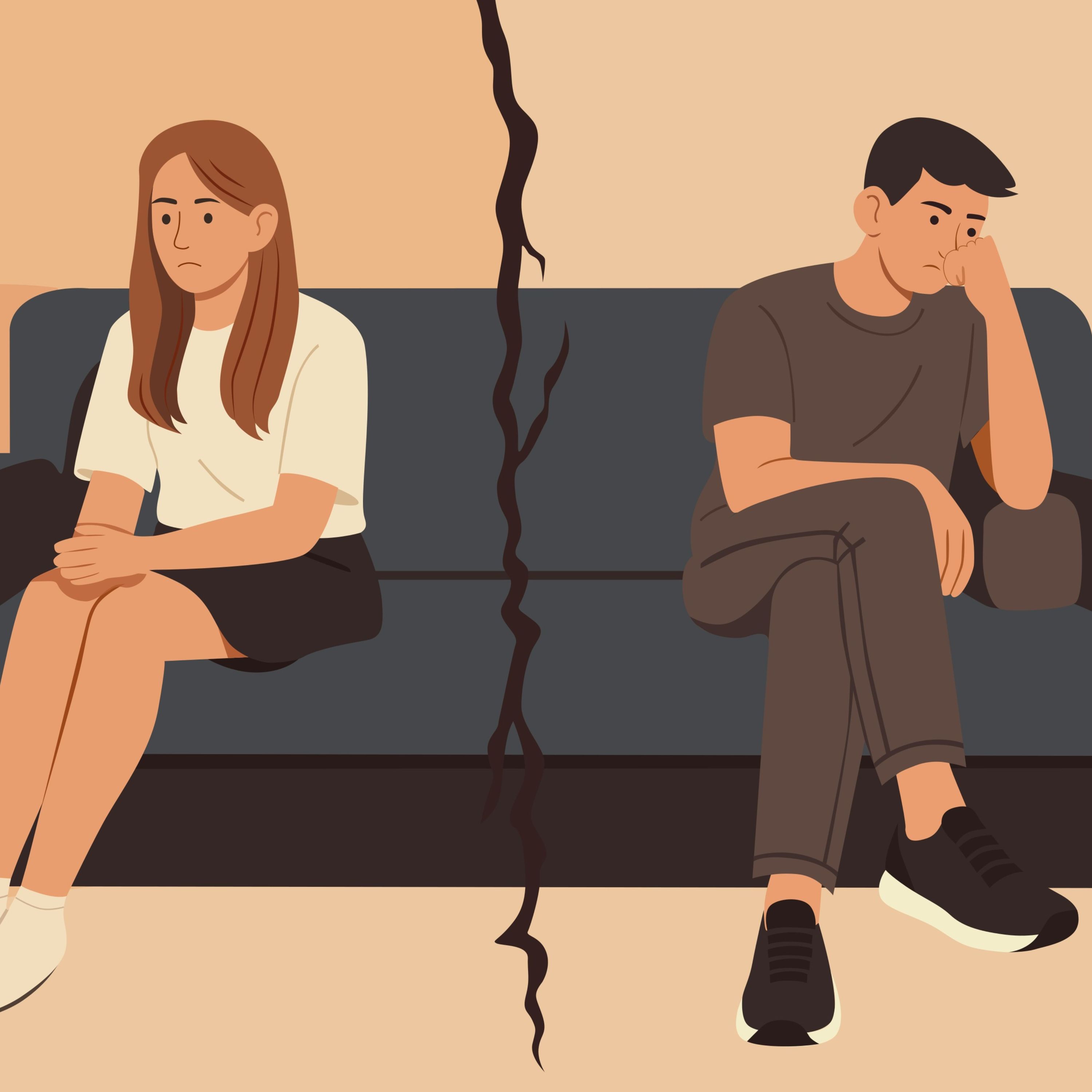
Unlike death, breakups lack socially accepted rituals like funerals. Author Florence Williams suggests creating your own to mark the transition and regain a sense of control. This can be anything from sending an object to the Museum of Broken Relationships to floating a wedding ring down a river with friends.

Many assume emotional recovery starts during separation, but the legal finality of a divorce is the true starting line for grieving. Until the papers are signed, you haven't "buried the body," and the process of moving on can't fully begin.
To effectively move on from a relationship, it is crucial to form a coherent story about why it ended. It doesn't matter if the narrative blames the ex or focuses on personal growth; what matters is that it makes sense to you. This process provides closure, reduces chaotic feelings, and fosters optimism for the future.
A powerful way to process a breakup is to create a personal ritual focused on gratitude. By systematically writing down every positive contribution an ex-partner made to your life, you shift from a passive state of grief to an active state of reflection. Ceremonially destroying the list can symbolize a conscious decision to move forward.