Get your free personalized podcast brief
We scan new podcasts and send you the top 5 insights daily.
Before manufacturing a single can, the founder created a fake video ad for the non-existent product. The video went viral, attracting 3 million views and inquiries from distributors like 7-Eleven. This shows a "marketing MVP" can be a cheap, powerful way to validate demand before committing capital to production.

Related Insights
Before manufacturing a large batch of a product, validate demand by running inexpensive Meta ads to a small audience. This 'fire a bullet before you fire a cannonball' approach lets you gauge real customer interest by tracking clicks, proving the concept works before making a large financial commitment.

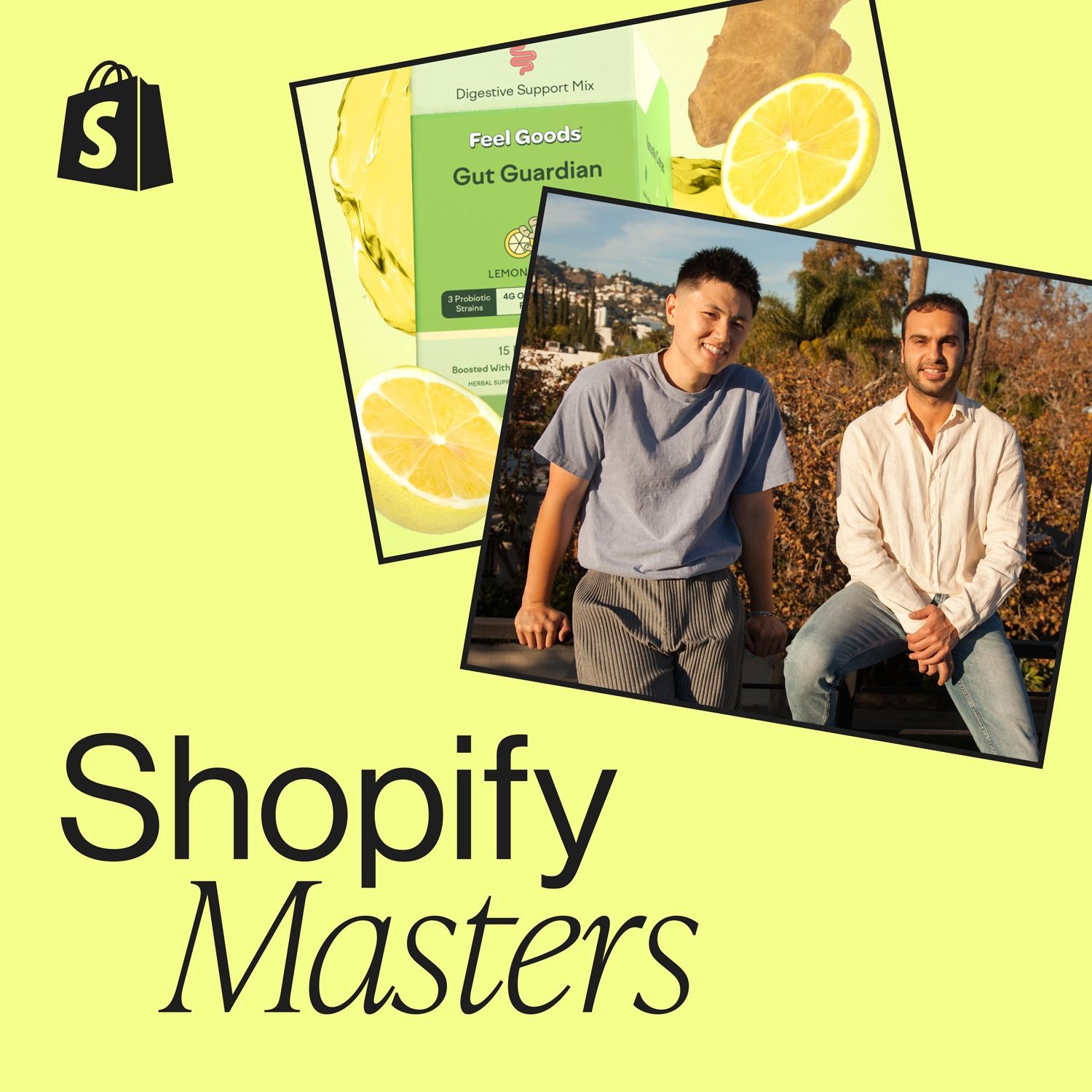
Before investing in production, Feel Goods created a basic landing page and ran ads to sell their conceptual product. They then refunded all orders, using the fake sales data to confirm real-world demand with minimal upfront cost and risk.
Before investing in production, Waterboy built a simple landing page to capture emails/SMS. They then created organic TikToks to drive traffic, validating consumer interest and building a pre-launch list with just a $700 investment, ultimately pre-selling their first production run.

Instead of building a coffee shop, the founders tested their 'one-item menu' concept by creating a TikTok video and design mockups. The posts generated millions of impressions, confirming massive market interest and de-risking the venture before any significant capital was spent.

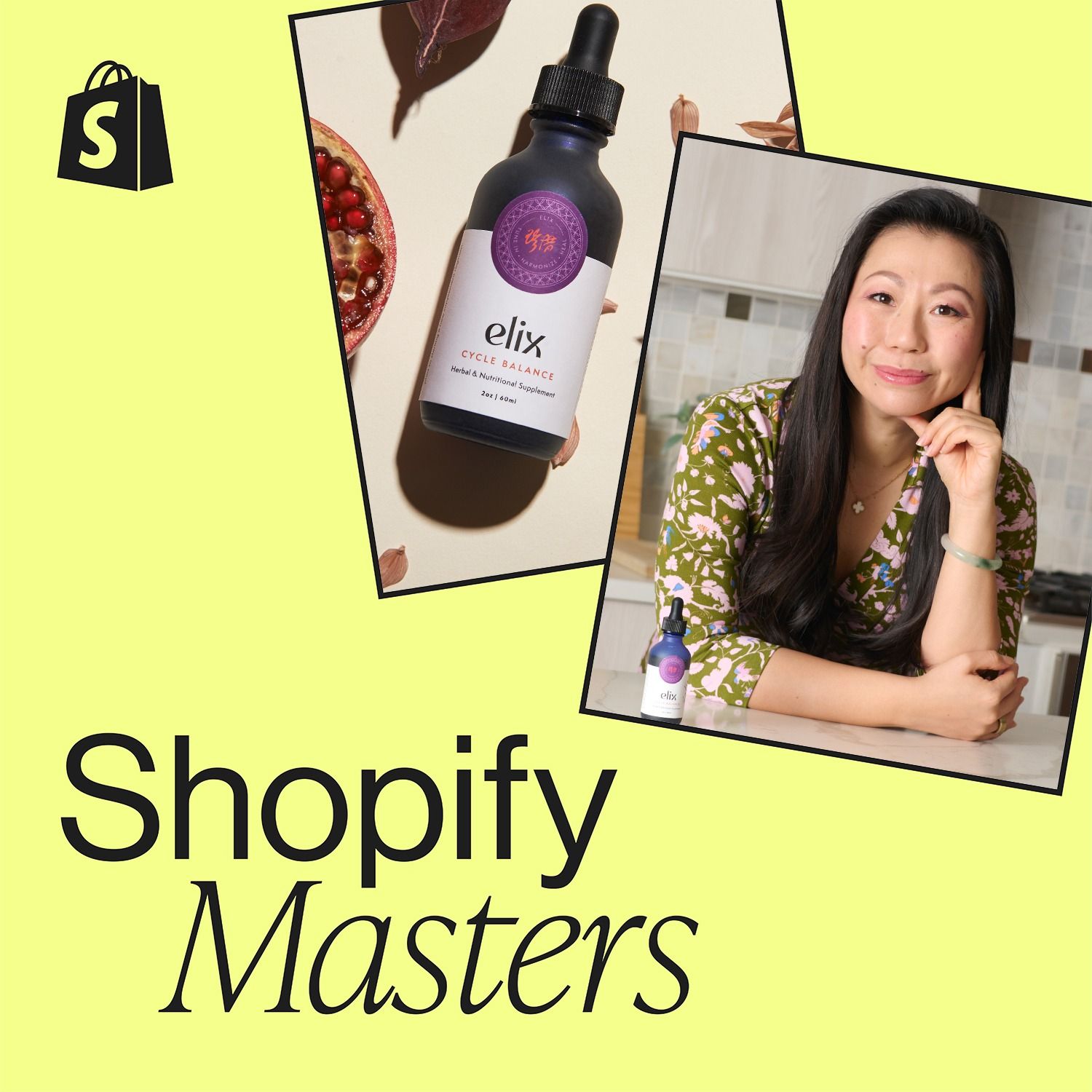
Elix founder Lulu Ge launched a beta test called "#periodpainfree" with basic packaging. This allowed her to gauge real-world demand from strangers online before committing resources to a full brand launch, proving the concept's viability cheaply and effectively.
Validate business ideas by creating a fake prototype or wireframe and selling it to customers first. This confirms demand and secures revenue before you invest time and money into development, which the speaker identifies as the hardest part of validation.

Before raising significant capital or manufacturing its product, Liquid Death's founder created a fake brand on Facebook. A $1,500 commercial generated millions of views and tens of thousands of followers, proving market demand and de-risking the venture for early investors.

To de-risk their unconventional idea, Liquid Death created a fake ad and a Facebook page to test market reception. They secured millions of views and 80,000 followers, proving demand and generating traction that was crucial for raising capital, turning a concept into an investable business.

Instead of waiting for a working product, the founders invested in a conference booth with just screenshots. This early, public validation test, though risky, attracted two crucial prospects who became their first customers. This demonstrated market demand before the product was fully built, a move many founders would avoid.

Before securing an insurance partner, Sure's founder built a prototype, spent a few thousand on ads, and achieved a 15.9% conversion rate. A fake payment error revealed intense user demand when people tried to buy up to seven times, confirming the idea's viability before building the real product.
