Get your free personalized podcast brief
We scan new podcasts and send you the top 5 insights daily.
Before investing in production, Waterboy built a simple landing page to capture emails/SMS. They then created organic TikToks to drive traffic, validating consumer interest and building a pre-launch list with just a $700 investment, ultimately pre-selling their first production run.

Related Insights
If you can't distill your product or idea into a compelling 30-second TikTok video, your core messaging and positioning aren't strong enough. This serves as a quick, effective test to refine marketing angles before investing more resources.
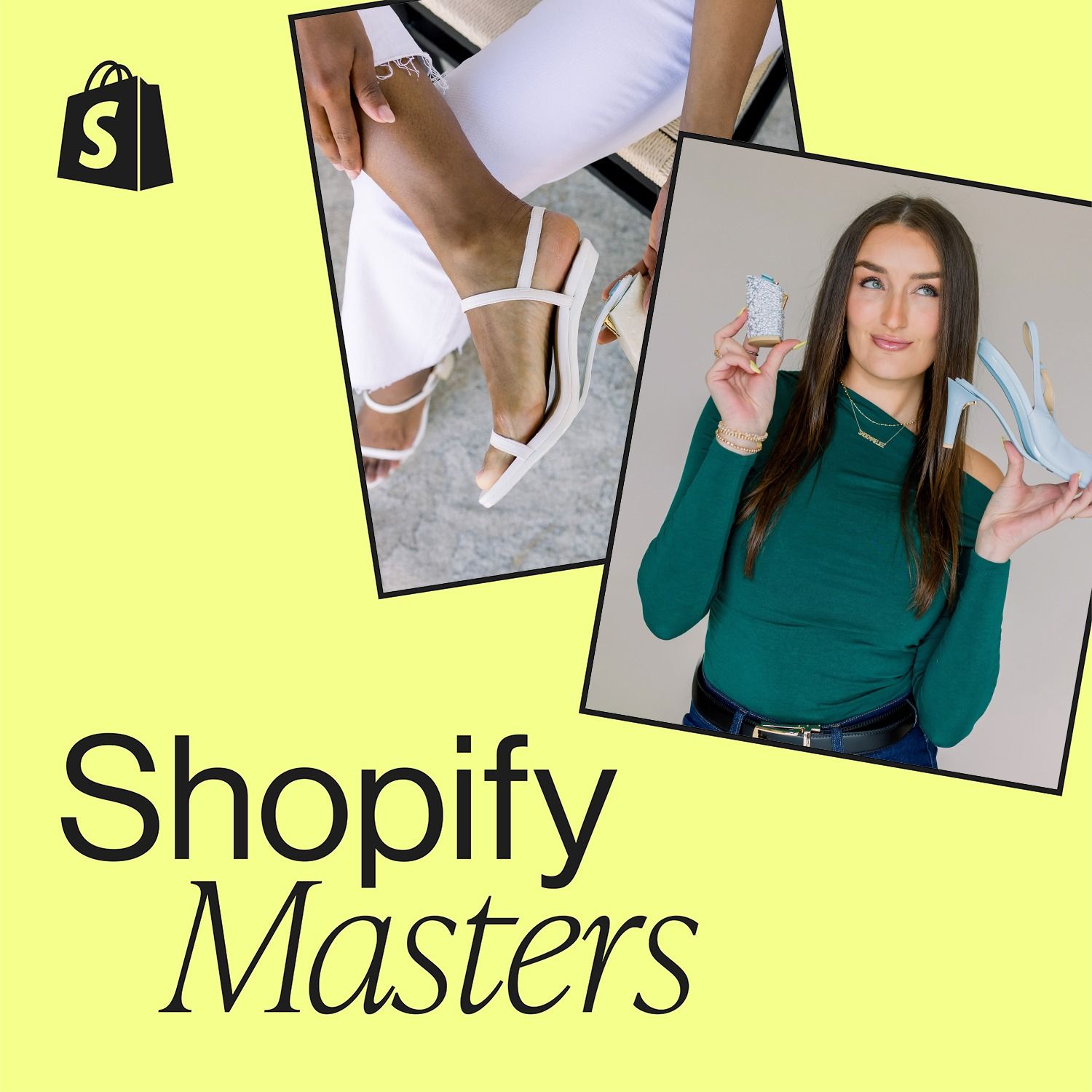
At pop-up events, founder Haley Pavoni saw a 90% purchase rate when she demonstrated her convertible shoe, versus near-zero otherwise. Realizing the demo was key, she scaled that experience by filming TikToks, creating a highly effective, zero-cost customer acquisition channel.
Platforms like Zagged use a "clipping" strategy, where hundreds of creators post UGC-style videos about a product. This floods platforms like TikTok with seemingly organic content, generating huge top-of-funnel awareness at extremely low CPMs ($3-4) and lowering blended CPAs.

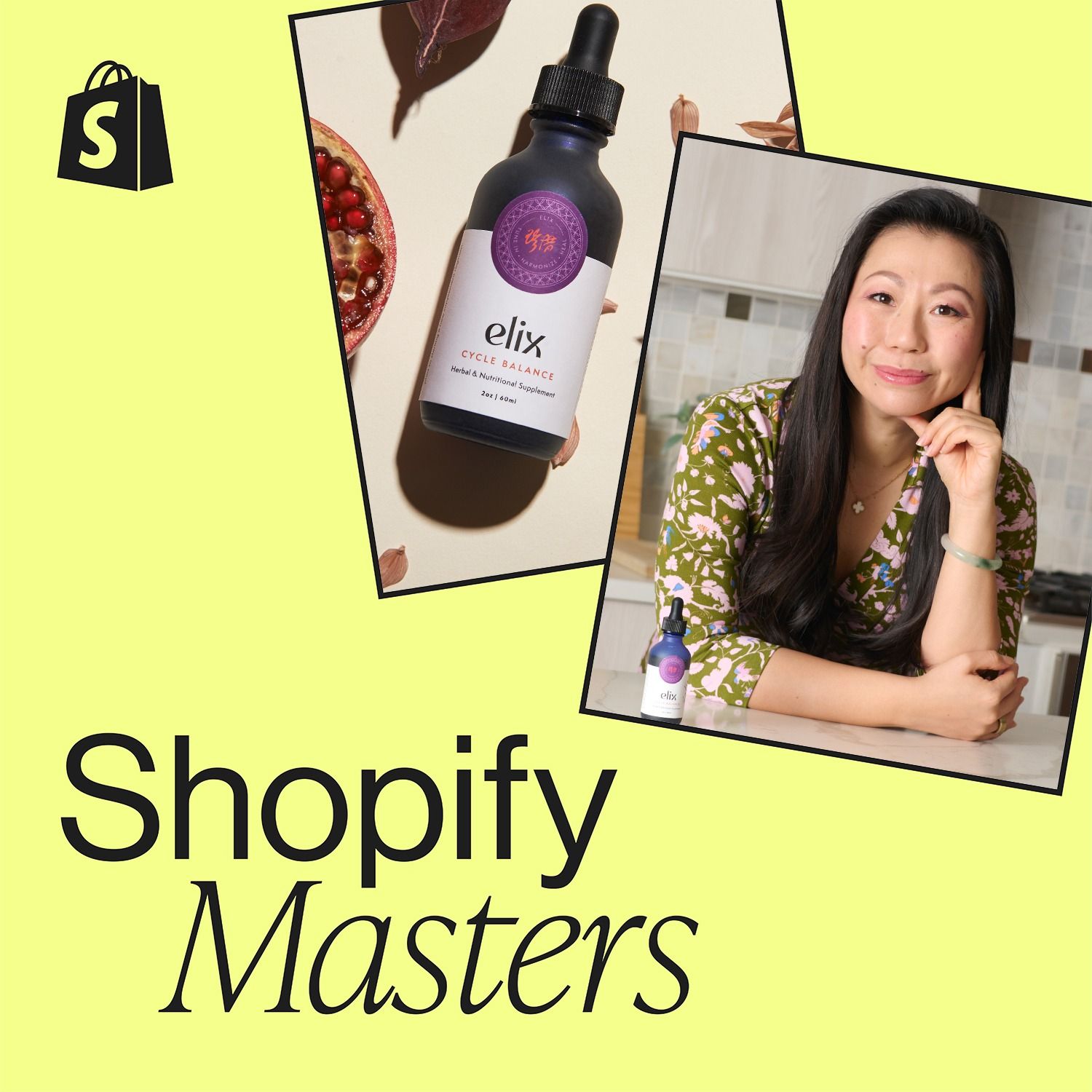
Elix founder Lulu Ge launched a beta test called "#periodpainfree" with basic packaging. This allowed her to gauge real-world demand from strangers online before committing resources to a full brand launch, proving the concept's viability cheaply and effectively.
To achieve true product-market fit, Waterboy intentionally prevented its co-founder with a social media following from creating early content. This strategy ensured that traction was from organic interest, not a pre-existing audience, providing unbiased validation for the product idea.
A marketer lost $25,000 driving paid traffic to a new, untested funnel. The key lesson is to first validate any marketing or sales funnel with organic traffic to ensure it converts before investing significant ad spend, thus avoiding wasted budget.

Before raising significant capital or manufacturing its product, Liquid Death's founder created a fake brand on Facebook. A $1,500 commercial generated millions of views and tens of thousands of followers, proving market demand and de-risking the venture for early investors.

To de-risk their unconventional idea, Liquid Death created a fake ad and a Facebook page to test market reception. They secured millions of views and 80,000 followers, proving demand and generating traction that was crucial for raising capital, turning a concept into an investable business.

Instead of waiting for a working product, the founders invested in a conference booth with just screenshots. This early, public validation test, though risky, attracted two crucial prospects who became their first customers. This demonstrated market demand before the product was fully built, a move many founders would avoid.

Instead of viewing the $11,000 cost for waterboy.com as a pure expense, the founders framed it as an investment after validating their product. They justified the cost by calculating the future value of simplicity in marketing communications, like podcast ads.