Get your free personalized podcast brief
We scan new podcasts and send you the top 5 insights daily.
Tactics acceptable for a scrappy startup—like aggressive recruiting programs nicknamed "shoplifting"—become liabilities when the company becomes an industry leader. Travis Kalanick admits he failed to recognize that as Uber grew, the "vibes of the rules" changed, and what was once seen as hardscrabble became unacceptable.

Related Insights
Travis Kalanick's new company operated in deep stealth for eight years, forcing 100% outbound recruiting and sales. This forged operational excellence in those teams and cultivated a culture of builders who derive satisfaction from the work itself, not public recognition.
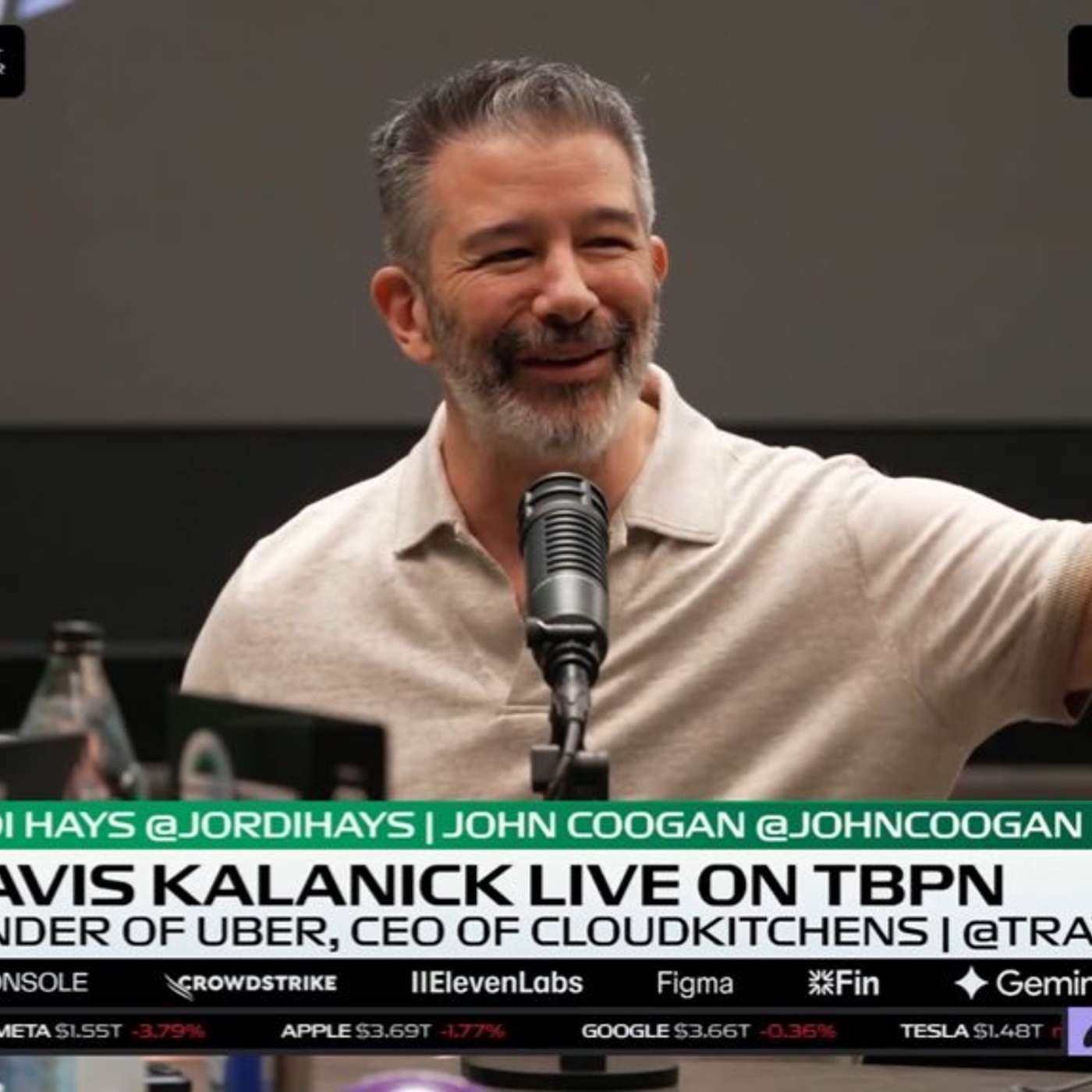
Travis Kalanick initially dismissed using unlicensed drivers as illegal. It wasn't until competitor Lyft successfully launched its peer-to-peer model and proved it could survive regulatory scrutiny that Uber pivoted to adopt the strategy, which became its biggest growth engine.

Paradoxically, once a startup finds product-market fit, a major failure mode is not scaling aggressively enough. Founders who stay too lean and delay executive hires risk being overtaken by competitors who capitalize on the opportunity and scale faster.

Uber's public perception soured as it grew from a disruptive darling to a dominant market force. This "David to Goliath" transition naturally creates antibodies, as the public and press tend to champion the revolutionary, not the incumbent they've become.

Unlike companies that pay lip service to work-life balance, Uber's CEO is explicit: new hires are expected to work incredibly hard, and underperformers will be pushed out. This upfront honesty acts as a filter, attracting individuals who thrive in a high-intensity environment and ensuring cultural alignment from day one.

Felix Rieseberg argues that management advice from elite military units is bad for most tech companies. The life-or-death commitment in a startup is not comparable to a war zone. Applying such high-stakes leadership models to employees with standard W-2 jobs is a fundamental mismatch of context and motivation.

Unlike companies where recruiting is a support role, Uber founder Travis Kalanick elevated it to a frontline function, on par with operations. He dedicated an hour each week to the recruiting team, signaling its importance and making the function more effective and motivated.

Dara Khosrowshahi manages Uber's position with a dual identity. Internally, he cultivates a startup culture where everyone feels like an underdog fighting for survival. Externally, with regulators and partners, the company acknowledges its scale and embraces the responsibilities that come with it.

The very traits that help a founder succeed initially—doing everything themselves, obsessing over details—become bottlenecks to growth. To scale, founders must abandon the tools that got them started and adopt new ones like delegation and trust.

Coined by Reid Hoffman about Uber, the 'Pirates to Navy' metaphor describes startup evolution. Early on, they act as rule-breaking 'pirates' to disrupt incumbents. To achieve long-term scale and stability, they must transition into a more disciplined, process-oriented 'navy'.
