Get your free personalized podcast brief
We scan new podcasts and send you the top 5 insights daily.
Uber's public perception soured as it grew from a disruptive darling to a dominant market force. This "David to Goliath" transition naturally creates antibodies, as the public and press tend to champion the revolutionary, not the incumbent they've become.
Related Insights
This observation points to a cultural shift where public sentiment sides with smaller challengers against large, dominant entities. This has implications for branding, marketing, and competitive strategy for both startups and incumbents.

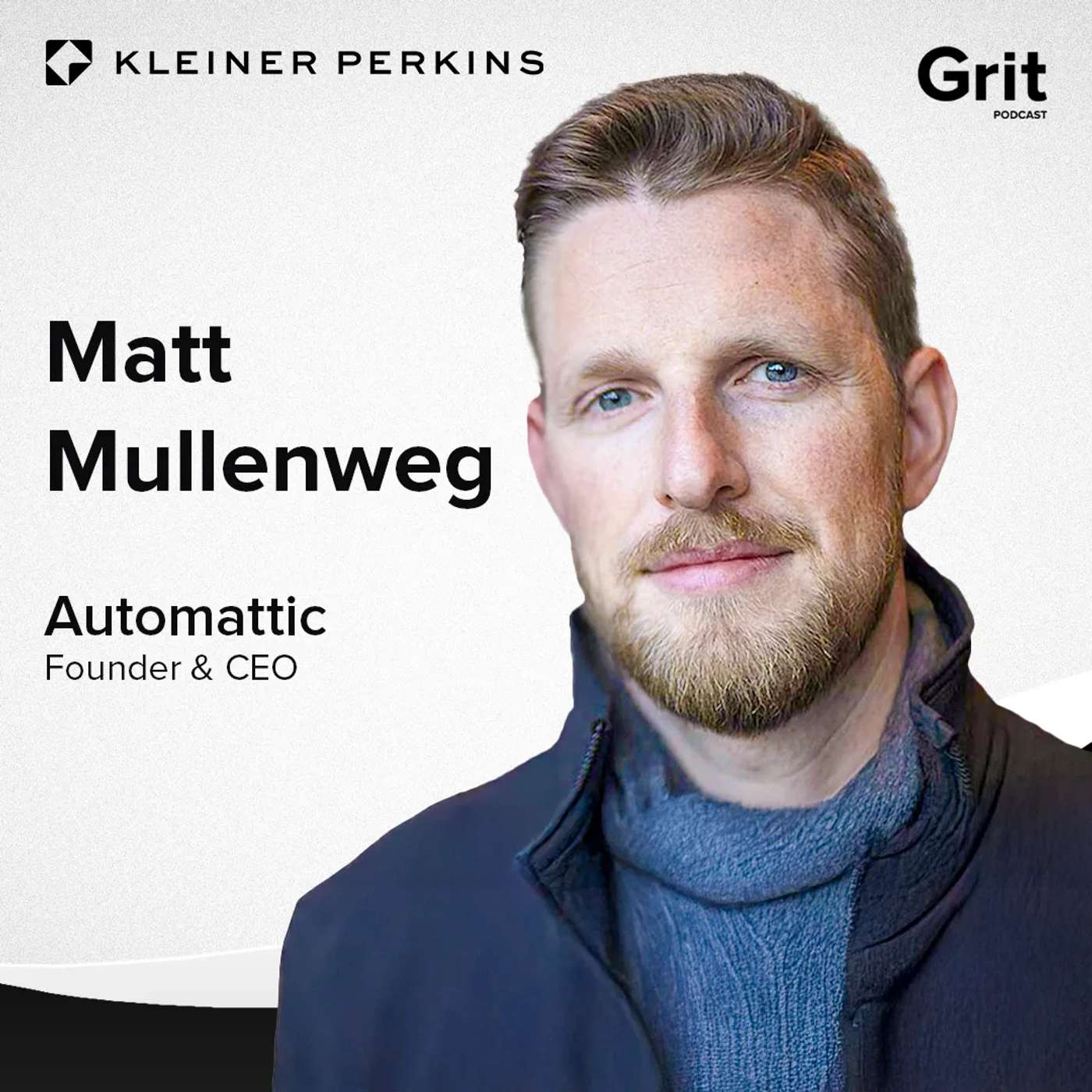
Matt Mullenweg notes that entrepreneurs inevitably cycle between being celebrated and vilified. Surviving this requires ignoring the noise and focusing on core principles and customers, recognizing even today's tech giants faced similar periods of extreme negative sentiment.
The public has a "homeostatic set point" for how much success a company deserves. Being seen as "overrated" invites criticism, while being "underrated" encourages people to champion you. The goal is to be perceived as deserving of even more success.

The core conflict is whether a startup can achieve mass distribution before the incumbent can replicate its core innovation. Historically, incumbents have an advantage because they eventually catch up on technology. AI may accelerate this, making a startup's unique and rapid path to acquiring customers more critical than ever.

The public loves someone on the climb because their journey is relatable and reflects their own aspirations. Once that person achieves success, the dynamic shifts from aspirational to rivalrous, as they now represent what others failed to achieve.

Dara Khosrowshahi manages Uber's position with a dual identity. Internally, he cultivates a startup culture where everyone feels like an underdog fighting for survival. Externally, with regulators and partners, the company acknowledges its scale and embraces the responsibilities that come with it.

Being the de facto industry standard removes the external pressure to innovate. Dominant companies often resist internal change agents who want to 'rock the boat,' fostering complacency. This creates an opening for more agile competitors to gain a foothold and disrupt the market.

As the market leader, OpenAI has become risk-averse to avoid media backlash. This has “damaged the product,” making it overly cautious and less useful. Meanwhile, challengers like Google have adopted a risk-taking posture, allowing them to innovate faster. This shows how a defensive mindset can cede ground to hungrier competitors.
The tech industry considers it uncouth to criticize failing companies ("punching down"). This social norm channels commentators to "punch up," taking contrarian shots at the most successful companies to gain attention and appear insightful.

David Vélez uses the "First they ignore you, then they laugh at you, then they fight you, and then you win" framework to describe Nubank's journey. This provides a predictable roadmap for disruptors, helping them anticipate and navigate the evolving reactions from established players.