Get your free personalized podcast brief
We scan new podcasts and send you the top 5 insights daily.
After a public failure to outsource its engine, Boom took on the “impossible” task of building it in-house. This forced vertical integration became a core competency, enabling greater innovation, control, and ultimately led to their profitable power generation business.

Related Insights
Subcontracting creates fixed interfaces between teams, leading to a "calcified architecture" where system-level optimization is impossible. Vertically integrating engineering and manufacturing in-house allows for dynamic trade-offs between disciplines, accelerating innovation and reducing costs.
![Scott Nolan - SpaceX, Founders Fund, and Rebuilding American Uranium Enrichment - [Invest Like the Best, EP.467] thumbnail](https://megaphone.imgix.net/podcasts/5edee546-3776-11f1-b41d-a76759576e87/image/908aaa6e87baf2b3d364892c4b7f9fd8.jpg?ixlib=rails-4.3.1&max-w=3000&max-h=3000&fit=crop&auto=format,compress)
A core pillar of Rocket Lab's strategy is extreme vertical integration. The company builds nearly every component in-house, from engines and tanks to flight computers and solar panels. This control over the entire stack is considered a key competitive advantage across all its business units.

Underwater drone company Ulysses adopted heavy vertical integration after discovering the maritime industry's massive "Idiot Index" (the ratio of a part's cost to its raw material cost). Buying 20-year-old sensor technology at inflated prices was untenable, forcing them to build components like cameras and pressure vessels in-house to lower costs.

Boom Supersonic failed its mission to build supersonic planes because it couldn't source or build certified jet engines. However, the turbine technology it developed is now valuable for powering energy-hungry AI data centers, creating an accidental, and potentially lucrative, pivot from a flawed business idea.

SpaceX's iconic vertical integration wasn't an initial strategic choice but a reaction to crisis. An early plan to outsource manufacturing was shattered when their fastest vendor abruptly closed. This forced them to insource talent and machinery out of necessity, creating the model they are known for today.
Boom repurposed its supersonic engine core for ground-based power generation, creating a highly profitable side business. This provides crucial funding and de-risks the capital-intensive primary mission of building passenger jets, turning a potential weakness into a financial strength.
Boom Supersonic accelerates development by manufacturing its own parts. This shrinks the iteration cycle for a component like a turbine blade from 6-9 months (via an external supplier) to just 24 hours. This rapid feedback loop liberates engineers from "analysis paralysis" and allows them to move faster.

Companies like SpaceX built their own operating systems (like Warp Drive) because off-the-shelf solutions couldn't handle their complexity and speed. For Senra, this means building custom software and automation. Vertical integration is not a choice but a necessity when the external industrial base is a bottleneck to growth.
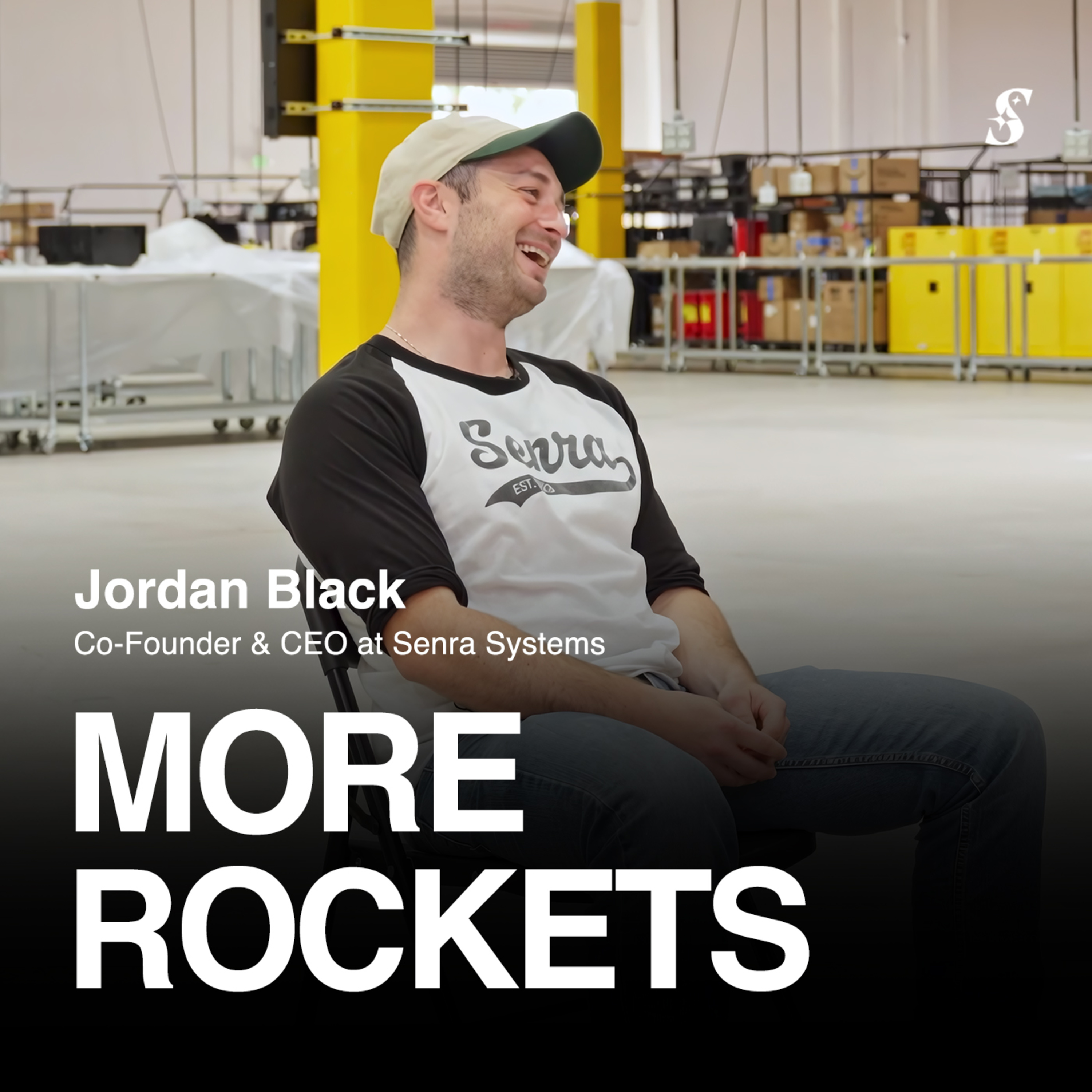
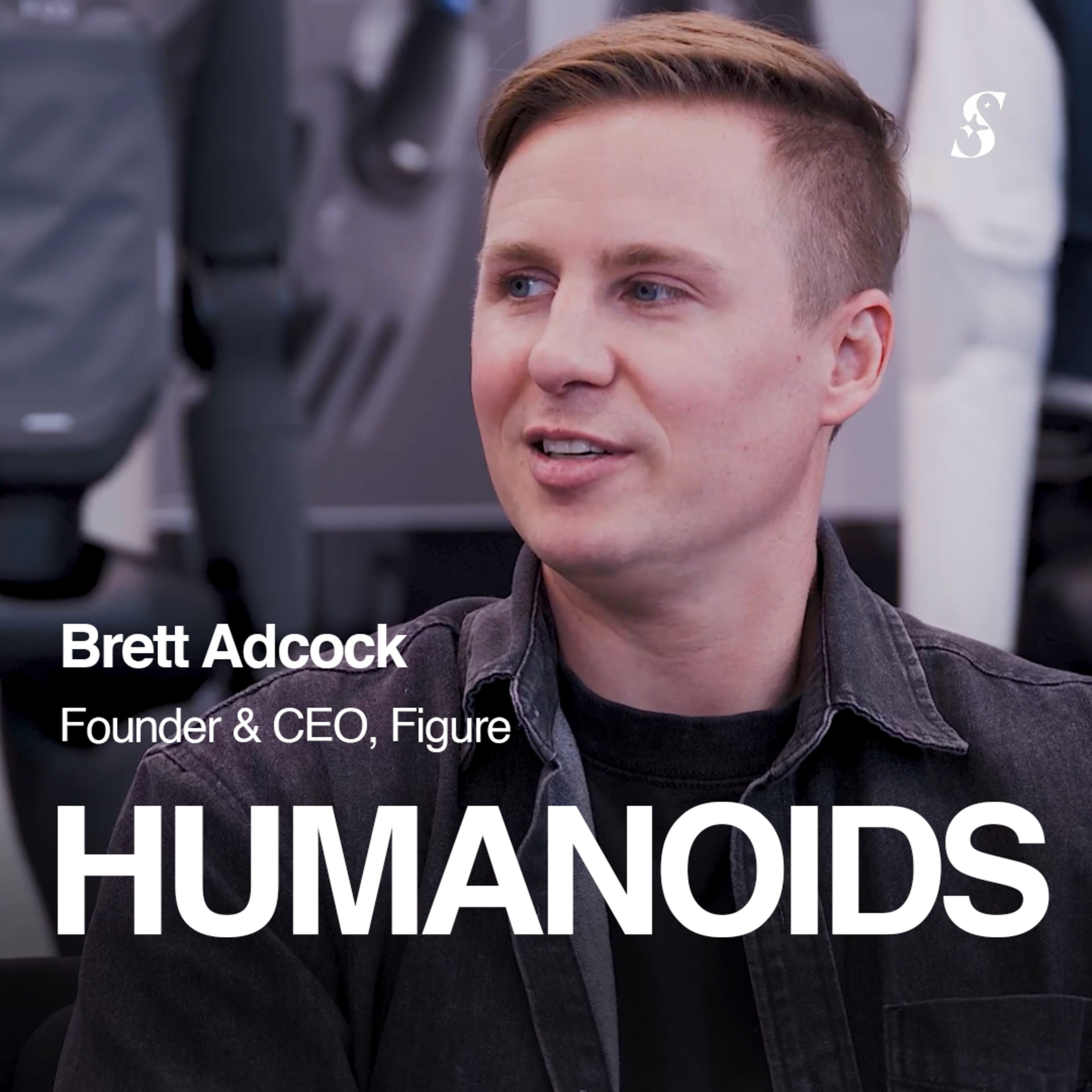
Figure designs nearly every component of its robots in-house, from motors to batteries. This extreme vertical integration, though costly upfront, prevents being at the mercy of third-party vendor timelines, code problems, or supply chain issues, enabling faster iteration and deeper system control.
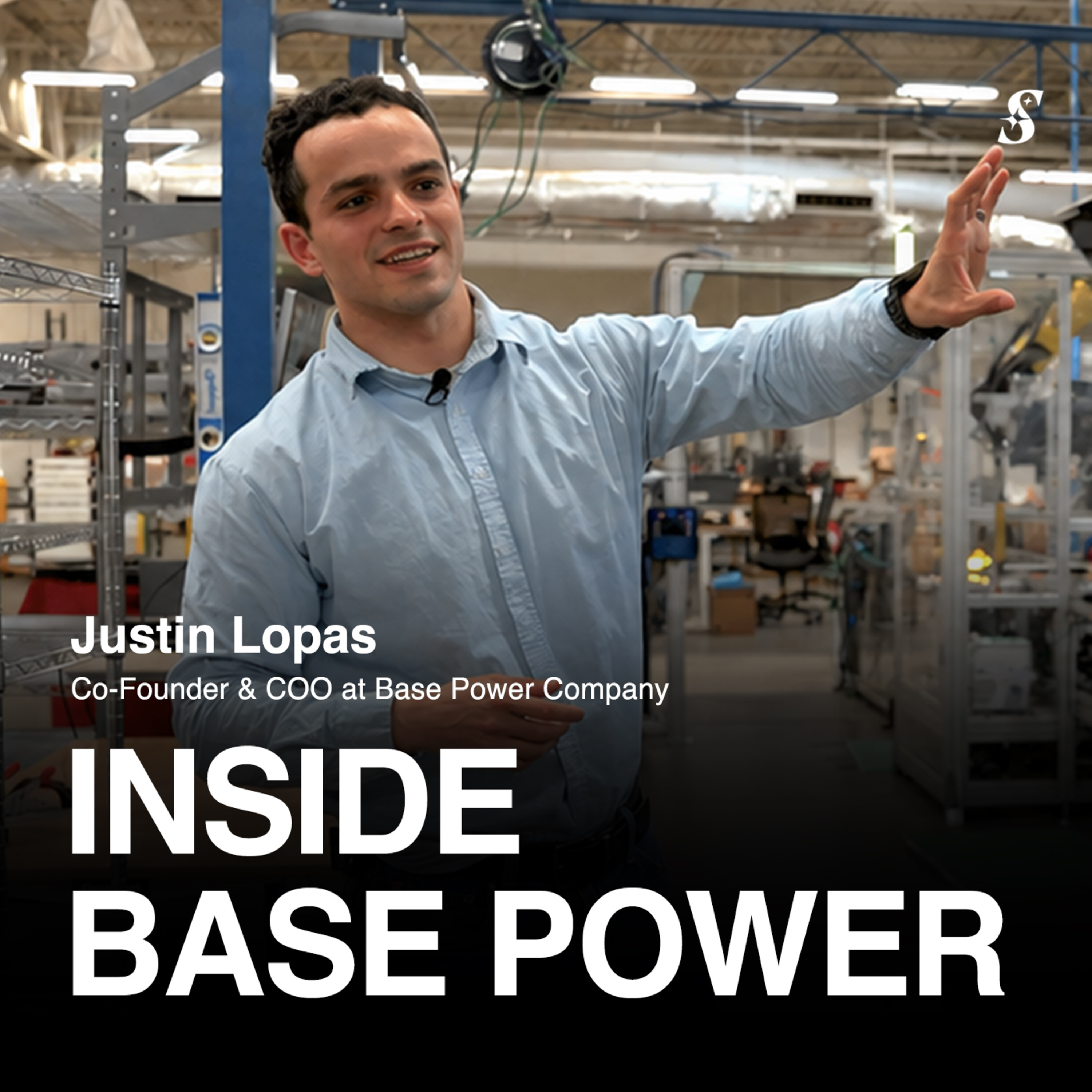
Instead of outsourcing, Base Power manufactures its batteries in-house in the US. This strategy gives them direct control over the production line, allowing for rapid hardware changes, reduced lead times, and lower costs compared to relying on contract manufacturers.