Get your free personalized podcast brief
We scan new podcasts and send you the top 5 insights daily.
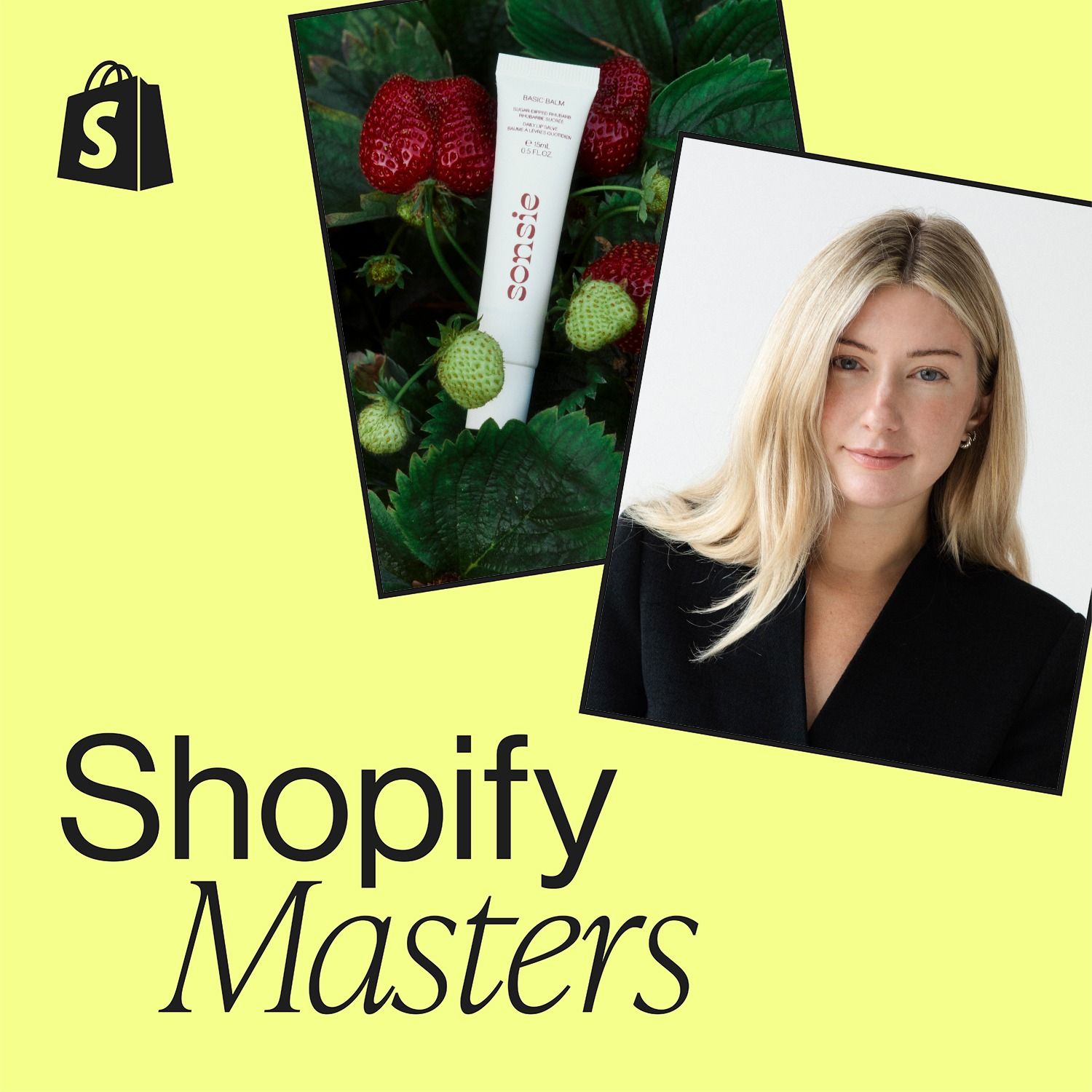
Contrary to the belief that clean beauty appeals primarily to younger demographics, 80% of Sonsie's customers are 45+. This audience, often transitioning from legacy luxury brands, is receptive to Sonsie's accessible price point, transparency, and high-performance formulas without heavy fragrances.
Related Insights
Consumer preference is shifting away from complex, multi-step skincare routines towards 'skinimalism'. Younger consumers, in particular, want fewer, more effective products that are multi-purpose and combine several active ingredients into a single bottle. This trend prioritizes convenience and simplicity over elaborate rituals.

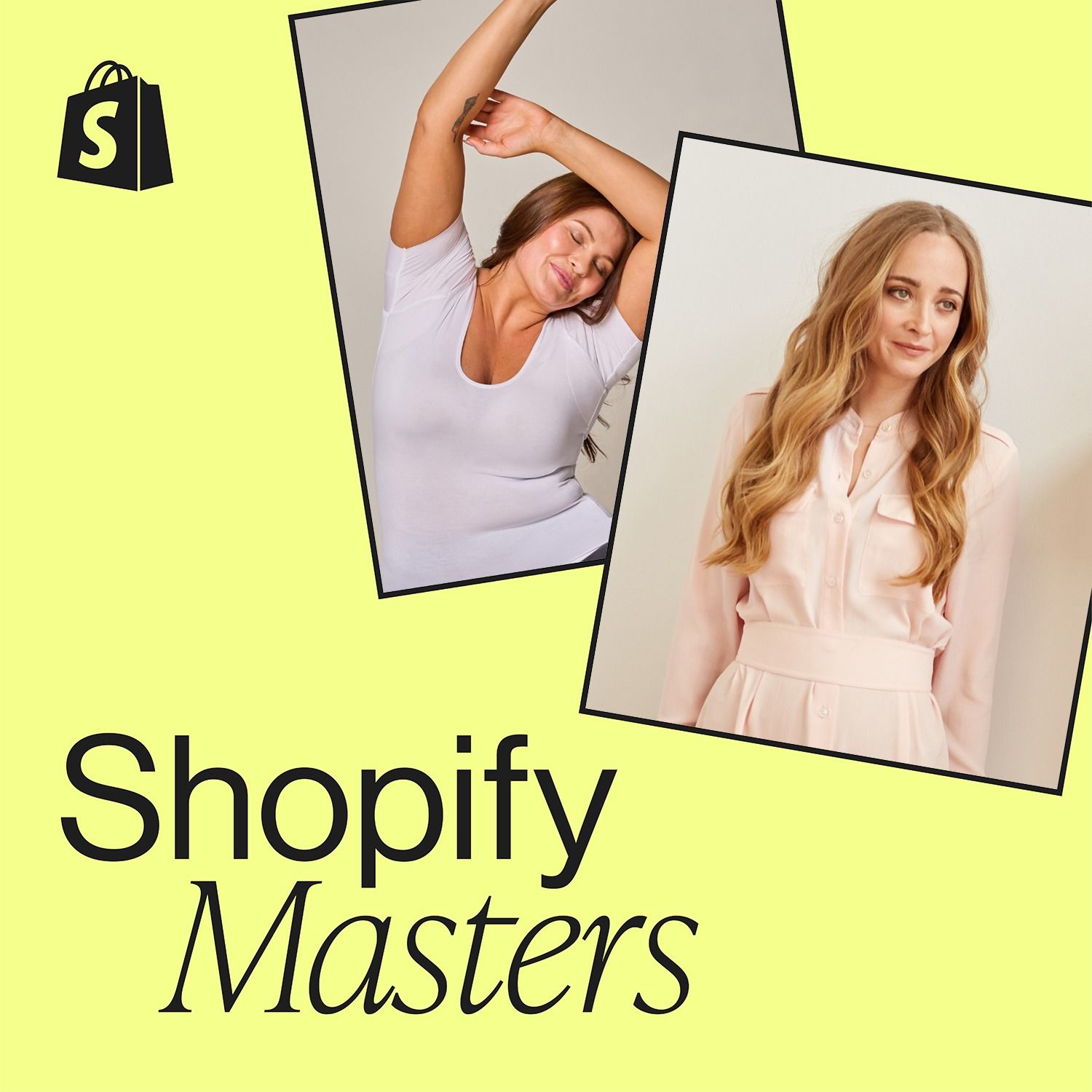
Numi's undershirts are used by nurses, flight attendants, and menopausal women, but their marketing focuses narrowly on the "professional woman." This avoids diluting the message. Trying to speak to everyone results in speaking to no one; a narrow focus creates a stronger brand identity and more effective campaigns.
Generic demographic targeting like '18-35 year olds' is ineffective. Instead, develop 30-40 hyper-specific consumer segments based on unique motivations, such as 'a 25-year-old male using wine for dating.' This niche approach makes creative more resonant, helping algorithms find the ideal audience.

Stuckey's, a nostalgic snack brand, wants to appeal to a new generation. The counterintuitive advice is to first double down on its existing, older customer base that already has brand recognition. Tapping out this core market is a more efficient first step than building awareness from scratch with a new demographic.

The success of science-first brands like OneSkin signals a market shift. The Millennial obsession with "clean, natural, organic" is giving way to a new focus on "clinical," lab-proven efficacy. This trend is visible across beauty (Botox), wellness (Ozempic), and food (protein additives), favoring chemistry and results over purity.

The 'clean beauty' movement has unfairly demonized all fragrances. In reality, many natural essential oils contain high levels of allergens. Sonsie Skin educates its customers that safe synthetic ingredients can be less irritating and still provide a luxury experience, challenging industry dogma.
When developing a new 'clean' beauty product, formulators often mistakenly benchmark only against existing clean competitors. This limits innovation. By benchmarking against top-performing conventional products, brands can achieve superior performance without compromising on 'clean' standards.
There is a clear generational divide in who consumers trust for beauty advice. Gen Z consumers view influencers and Key Opinion Leaders (KOLs) as their primary experts. In contrast, Millennials still place their trust in traditional authorities like dermatologists, trichologists, and professional salon stylists, requiring different marketing approaches.
For specialized products, user motivation is more critical than age or location. Focusing on the user's mindset, life stage, and readiness for change (psychographics) can lead to significantly higher engagement and retention than targeting a broad demographic group that may not be ready for the solution.
Robinhood discovered a counter-intuitive marketing approach: older customers are attracted to the "cool, new thing," while younger, Gen Z customers respond more strongly to messages of stability and longevity. This inversion challenges traditional assumptions about generational marketing in finance.
