Get your free personalized podcast brief
We scan new podcasts and send you the top 5 insights daily.
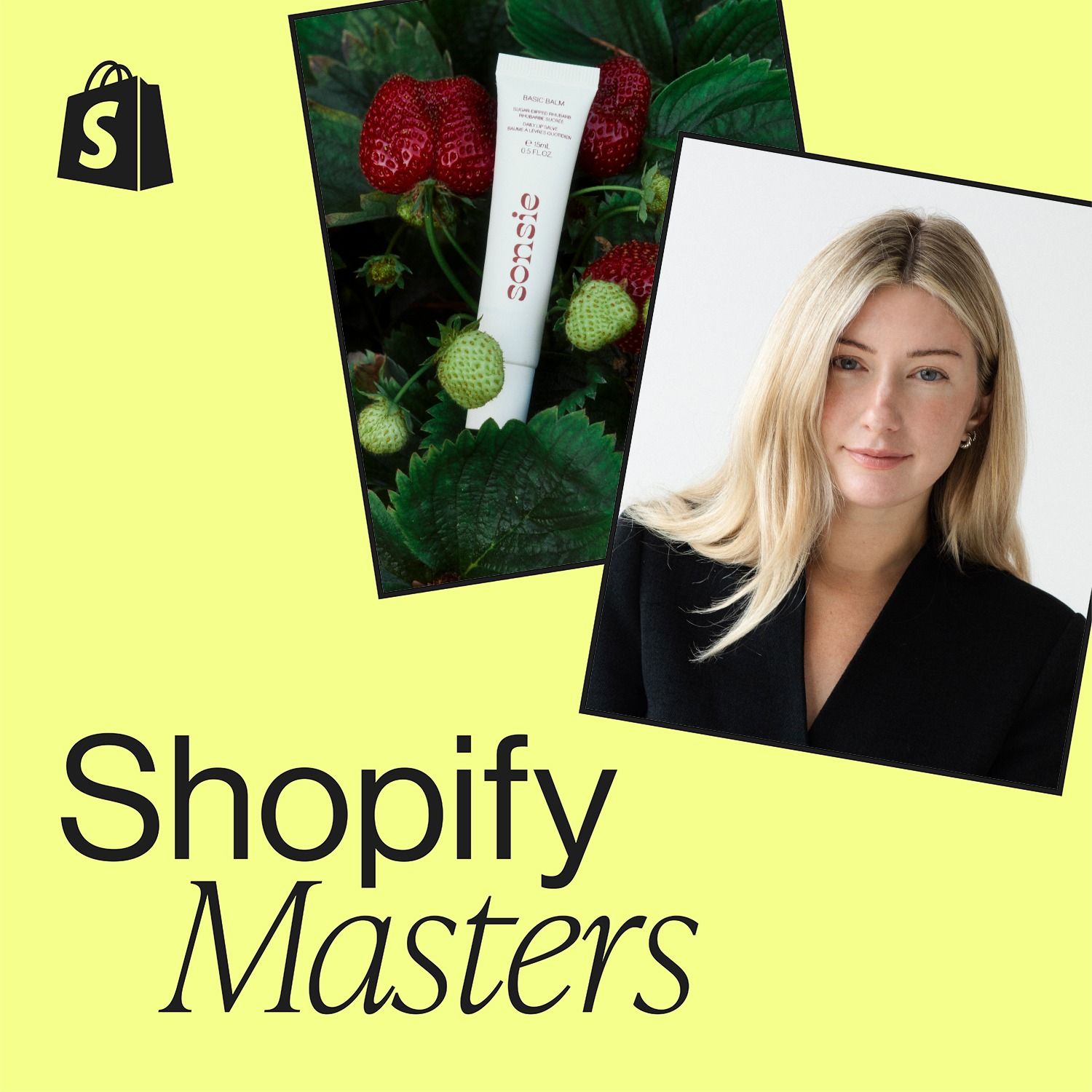
To educate consumers on complex topics like sustainability without sounding preachy or being accused of greenwashing, Sonsie uses playful, curiosity-driven marketing. Their 'Garden Girl' campaign sparks questions (e.g., 'why are they planting plastic?') that lead consumers to discover their compostable packaging.
Related Insights
To truly change a brand's narrative, marketing's 'talking the talk' is insufficient. The product experience itself must embody the desired story. This 'walking the walk' through the product is the most powerful way to shape core brand perception and make the narrative shareable.

Shift from the passive concept of "storytelling" to the active embodiment of "story living." This means the brand doesn't just narrate its story; it lives its ethos through every action, product, and employee interaction. This ensures authenticity and transforms the brand itself into a real-time beacon of its values, moving beyond words to demonstrable action.
![What is Marketing? With Kory Marchisotto [Uncensored Renegades] thumbnail](https://img.transistorcdn.com/VIH3Rn5ET8-eHQxgBGNydnhXL95pc10_Kq7qTpjezuc/rs:fill:0:0:1/w:1400/h:1400/q:60/mb:500000/aHR0cHM6Ly9pbWct/dXBsb2FkLXByb2R1/Y3Rpb24udHJhbnNp/c3Rvci5mbS9zaG93/LzQ3MzEvMTU3MDAz/MjQ3NC1hcnR3b3Jr/LmpwZw.jpg)
A UK watchdog banned Nike's sustainability-focused ads for making misleading claims, a practice known as "greenwashing." This action highlights a growing global trend of regulatory scrutiny over environmental marketing. Brands must now provide hard evidence for their sustainability claims or face significant legal and reputational consequences.

Environmentally friendly products often fail to gain mass adoption based on their eco-credentials alone. To break through, they should emulate brands like Tesla and Method Soap by focusing on superior design and branding to become desirable, elevated products that also happen to be sustainable.

The 'clean beauty' movement has unfairly demonized all fragrances. In reality, many natural essential oils contain high levels of allergens. Sonsie Skin educates its customers that safe synthetic ingredients can be less irritating and still provide a luxury experience, challenging industry dogma.
True brand leadership in sustainability involves being proactive, not reactive. Instead of waiting for consumer demand or government regulations to force change, innovate ahead of the curve by developing environmentally friendly products and processes from the start.
Instead of making direct, often unbelievable claims about quality or trust, use humor. The positive feeling from being amused creates a 'halo effect' that transfers to all other brand metrics. Ads are a powerful medium for demonstrating wit, which is more effective than claiming hard-to-prove attributes.

Game-changing sustainable materials, like Sonsie's at-home compostable packaging, already exist. The primary barrier to mainstream use isn't a lack of innovation but slow adoption by brands. Widespread adoption is required to increase manufacturing volume, drive down costs, and make sustainability the standard.
Countering the anti-plastic narrative, Lego champions its product as a "best use" of plastic due to extreme durability. The promise of backward compatibility—that today's bricks fit with those from 40 years ago—reinforces a core brand message of longevity and multi-generational reuse over disposability.

Instead of just listing sustainable features, Wild Rye makes them relatable. To market a ski jacket made from recycled fishing nets, they featured a sponsored athlete who is a commercial fisherwoman in the summer. This created an authentic story that connected the product feature to a real person, making it more tangible and emotionally resonant.