Get your free personalized podcast brief
We scan new podcasts and send you the top 5 insights daily.
The transition from founder to CEO shouldn't temper the core belief that your company can create massive change. That passion must remain. What should evolve is the execution strategy—moving from pure intuition to structured planning, financial literacy (e.g., understanding a P&L), and leveraging past experiences.

Related Insights
Tariq Farid shares his grandfather's wisdom: "brawn to brain." In a company's early days, a founder's physical work ("brawn") is crucial. As it matures, their value shifts to wisdom, strategy, and system-building ("brain") to enable scale and prevent burnout.

The CEO role is not a joyful or fun job; it's a high-pressure, problem-solving position. Founders who love their craft, like software engineering, often take the CEO title out of necessity to solve a larger problem and bring a vision to life, not because they desire the job itself.
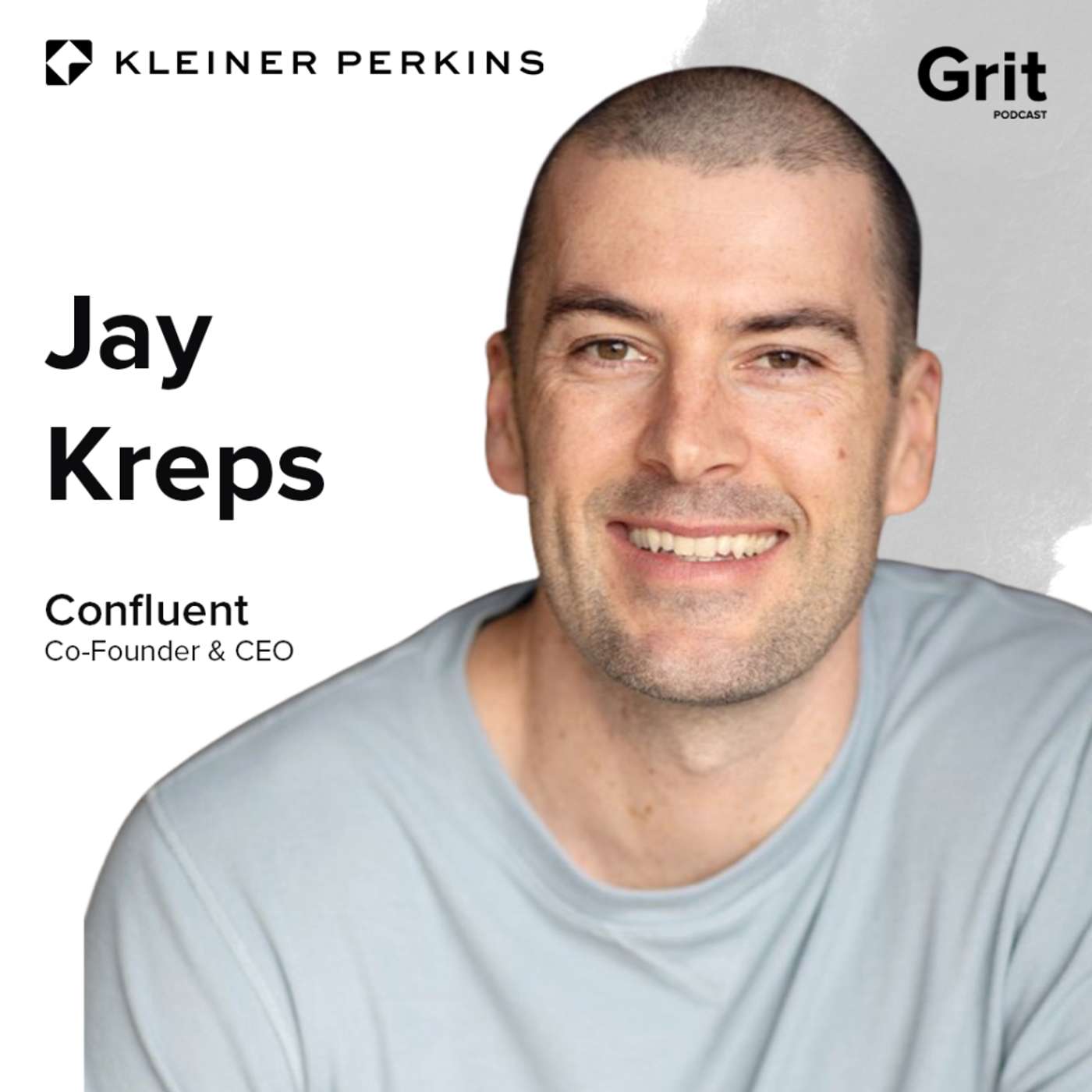
The transition from a scientist, trained to control every project variable, to a CEO requires a fundamental mindset shift. The biggest challenge is learning to delegate effectively and trust a team of experts who are smarter than you, moving away from the natural tendency to micromanage.

The distinction between a 'big company' and 'small company' person is irrelevant. A founder's mindset—hustling to bring new ideas to life and driving outcomes—is equally applicable and valuable in a large corporation as it is in a startup.

Even with full board support, a successor CEO may lack the intrinsic 'moral authority' to make drastic 'burn the boats' decisions. This courage is harder to summon without the deep-seated capital a founder naturally possesses, making company-altering transformation more challenging for an outsider.

Successor CEOs cannot replicate the founder's all-encompassing "working memory" of the company and its products. Recognizing this is key. The role must shift from knowing everything to building a cohesive team and focusing on the few strategic decisions only the CEO can make.
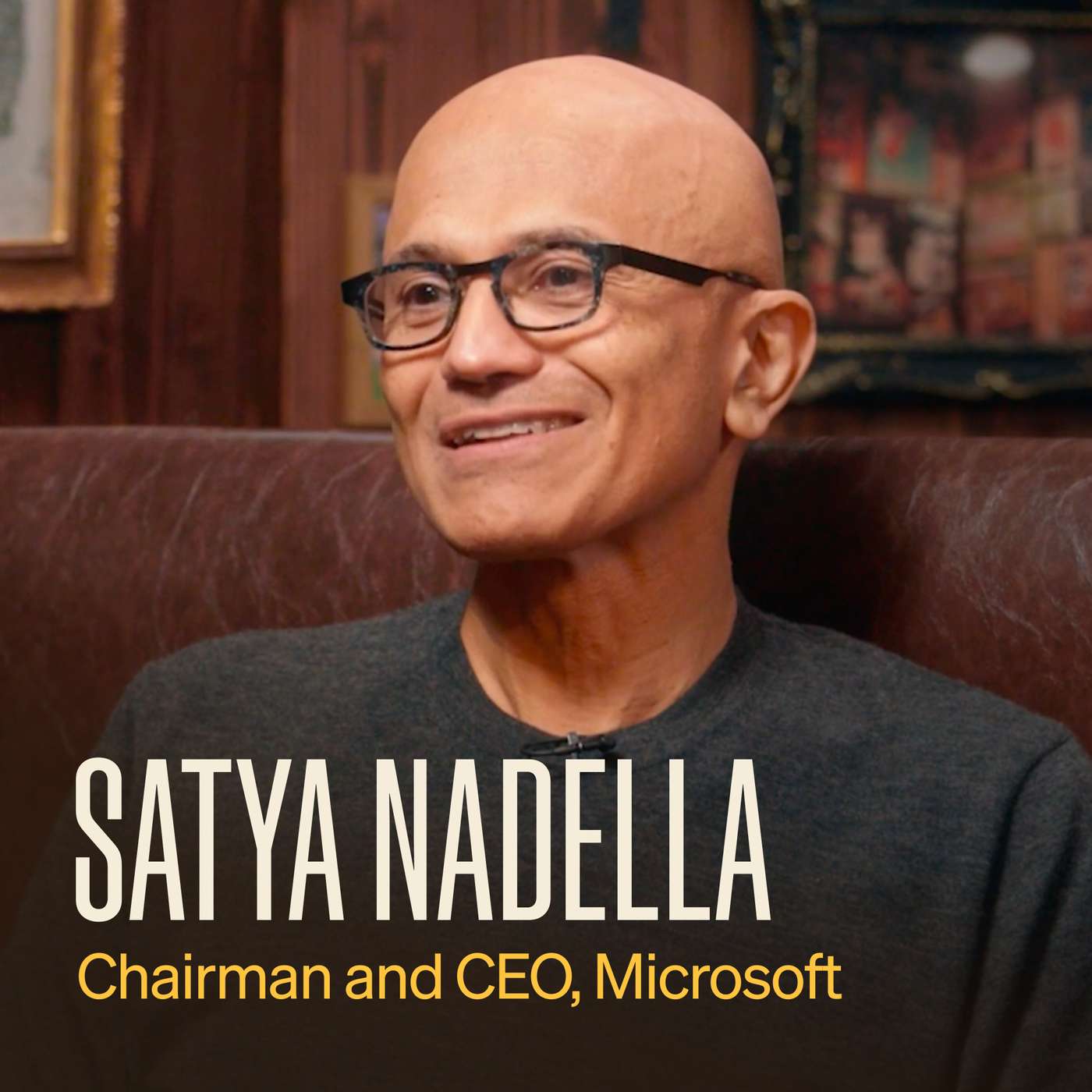
An engineering background provides strong first-principles thinking for a CEO. However, to effectively scale a company, engineer founders must elevate their identity to become a specialist in all business functions—sales, policy, recruiting—not just product.

After eight years of grinding, the founder recognized he had taken the company as far as his skillset allowed. Instead of clinging to control, he proactively sought an external CEO with the business acumen he lacked, viewing the hire as a "life preserver" to rocket-ship the company's growth.

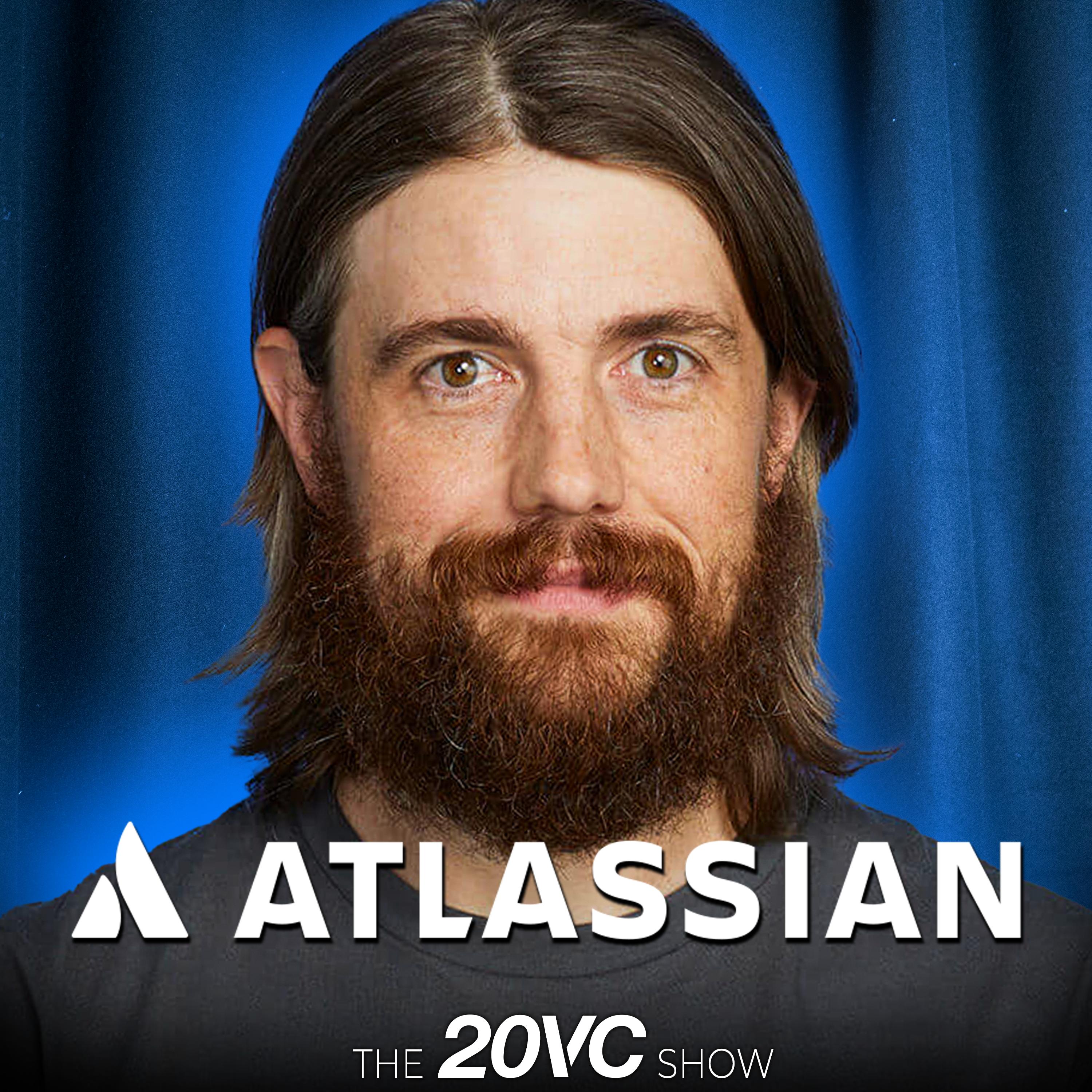
Borrowing a quote from Shopify's CEO, Mike Cannon-Brookes emphasizes that a founder's key responsibility is to counteract the natural decline in ambition that occurs as a company grows. They must constantly push the organization to remain bold and hungry.
To transition from founder to CEO, Unbound Merino's co-founder admitted his own uncertainty and directly asked his top executive what she needed from him to consider him a great CEO. This act of vulnerability built trust and provided a clear path for his leadership development.