Get your free personalized podcast brief
We scan new podcasts and send you the top 5 insights daily.
Kaylee Bratt learned from her first brand, Sesto, that consumers prioritize efficacy. People won't buy a sustainable product if it doesn't work well. Performance must be the primary message, with sustainability as a supporting benefit, not the sole purchasing driver.
Related Insights
Early on, Mary Kay's company sold individual items from its five-part skincare set. This led to poor results and negative word-of-mouth. They stopped this practice, prioritizing the customer's full experience and the product's efficacy over easy, short-term revenue, thus protecting the brand's reputation.
![Mary Kay Ash: The Greatest Saleswoman In History [Outliers] thumbnail](https://megaphone.imgix.net/podcasts/e183b016-cec7-11f0-90ea-27c38ce45de8/image/2d94065a7777f6297ba9350dd7be6b66.png?ixlib=rails-4.3.1&max-w=3000&max-h=3000&fit=crop&auto=format,compress)
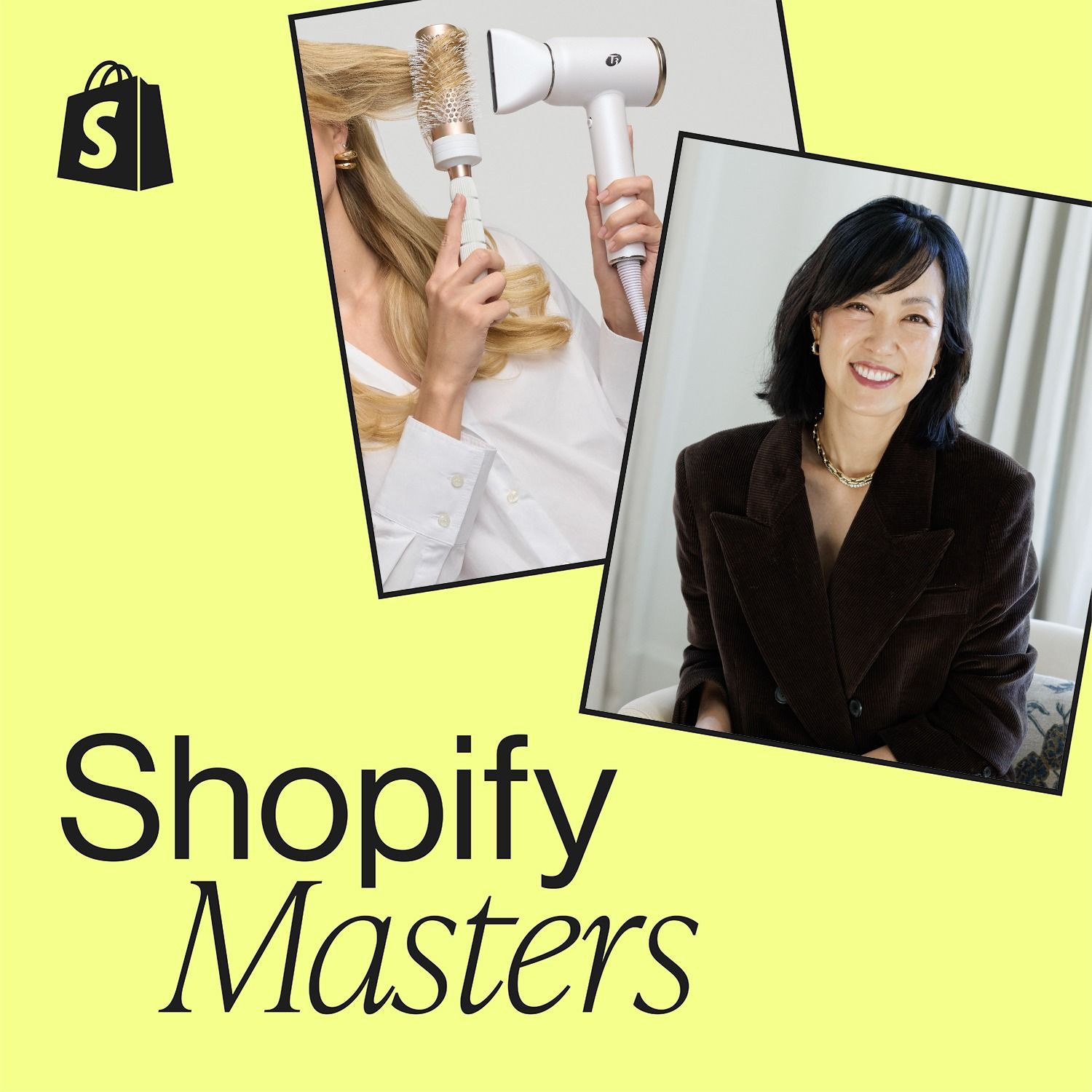
T3's founder knew a beautiful product would attract female consumers, comparing it to buying a laptop simply because it was pink. However, she stresses that aesthetic appeal is not enough for long-term success. If the beautifully designed product didn't deliver superior performance and results, the brand wouldn't have survived for 20 years.
The failure of Travis Scott's Cacti seltzer, despite his massive global following, proves that a creator's audience cannot save a subpar product. Fans may try a product once out of loyalty, but repeat purchases—the foundation of a real business—depend entirely on the product's quality.

Environmentally friendly products often fail to gain mass adoption based on their eco-credentials alone. To break through, they should emulate brands like Tesla and Method Soap by focusing on superior design and branding to become desirable, elevated products that also happen to be sustainable.

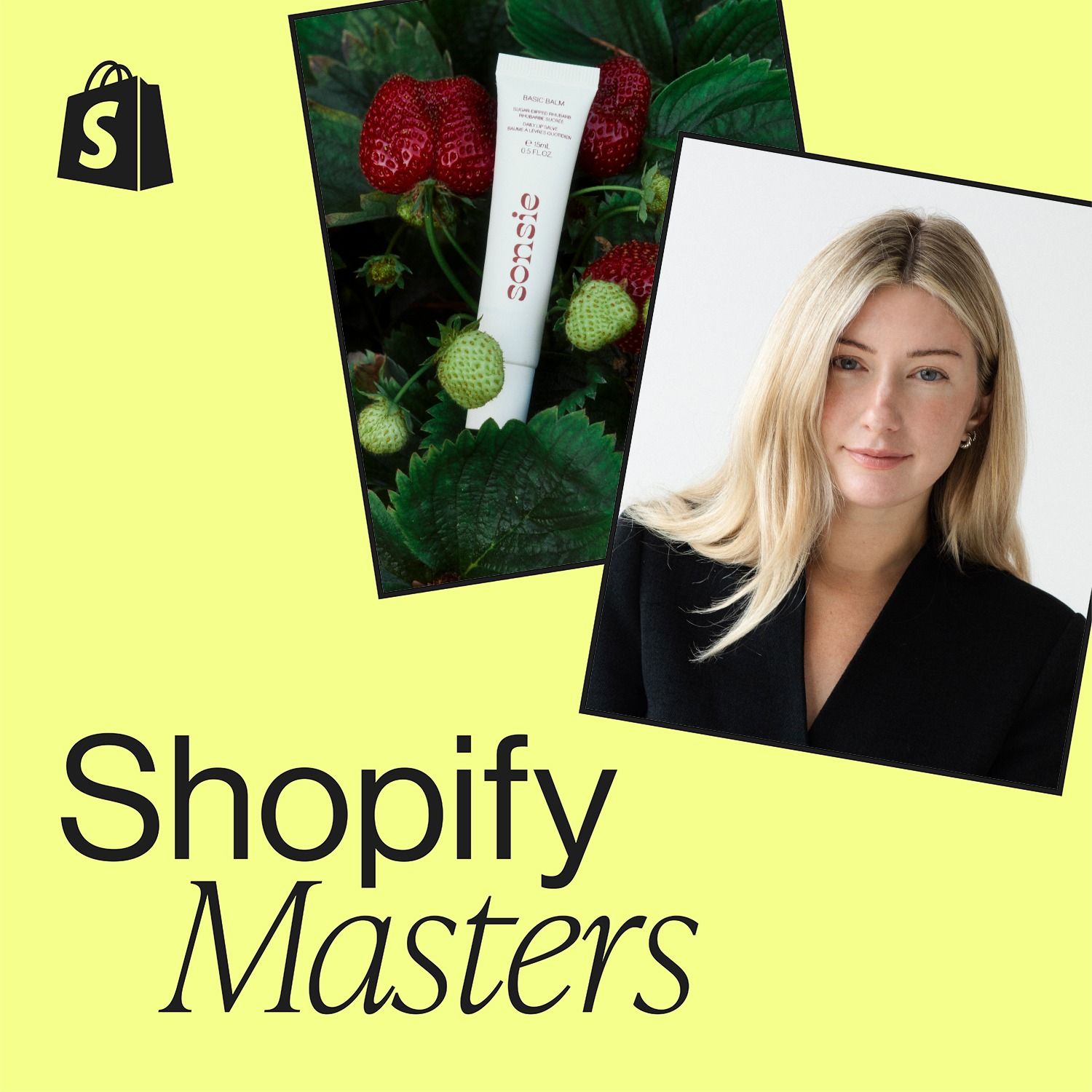
The 'clean beauty' movement has unfairly demonized all fragrances. In reality, many natural essential oils contain high levels of allergens. Sonsie Skin educates its customers that safe synthetic ingredients can be less irritating and still provide a luxury experience, challenging industry dogma.
When developing a new 'clean' beauty product, formulators often mistakenly benchmark only against existing clean competitors. This limits innovation. By benchmarking against top-performing conventional products, brands can achieve superior performance without compromising on 'clean' standards.
True brand leadership in sustainability involves being proactive, not reactive. Instead of waiting for consumer demand or government regulations to force change, innovate ahead of the curve by developing environmentally friendly products and processes from the start.

For sophisticated consumers, branding based on unsubstantiated luxury materials can create skepticism. A marketing message focused on scientific proof, tangible benefits, and performance can be more compelling and build greater trust, especially for a high-price-point product.
To educate consumers on complex topics like sustainability without sounding preachy or being accused of greenwashing, Sonsie uses playful, curiosity-driven marketing. Their 'Garden Girl' campaign sparks questions (e.g., 'why are they planting plastic?') that lead consumers to discover their compostable packaging.
The debate between short-term results and long-term brand building is a false dichotomy. You must accept that both are true and necessary at the same time. The challenge isn't choosing one, but finding a way to execute on both concurrently.
