Get your free personalized podcast brief
We scan new podcasts and send you the top 5 insights daily.
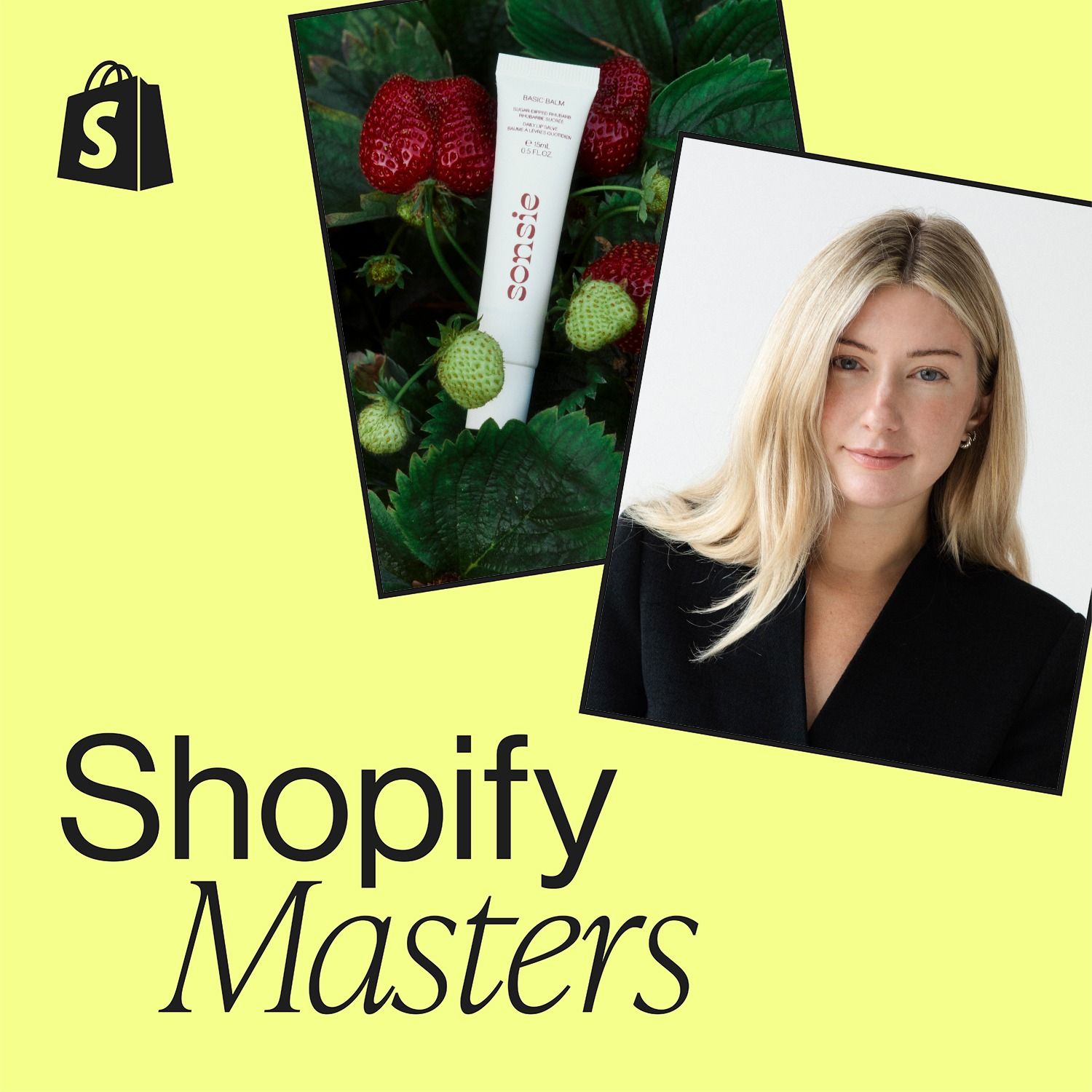
A product's packaging can create incorrect assumptions based on a demographic's past experiences. Older consumers at a Sonsie pop-up assumed a lip balm in a squeeze tube was a sticky 'lip gloss' because, for their generation, that format was exclusively used for glosses.
Related Insights
The Diet vs. Zero soda battle demonstrates that for quick, everyday purchases, consumers rely on surface-level cues. The branding and associated identity ("scarcity" vs "wellness") drive decisions more than the product's actual composition, which is often nearly identical. The label effectively becomes the product.

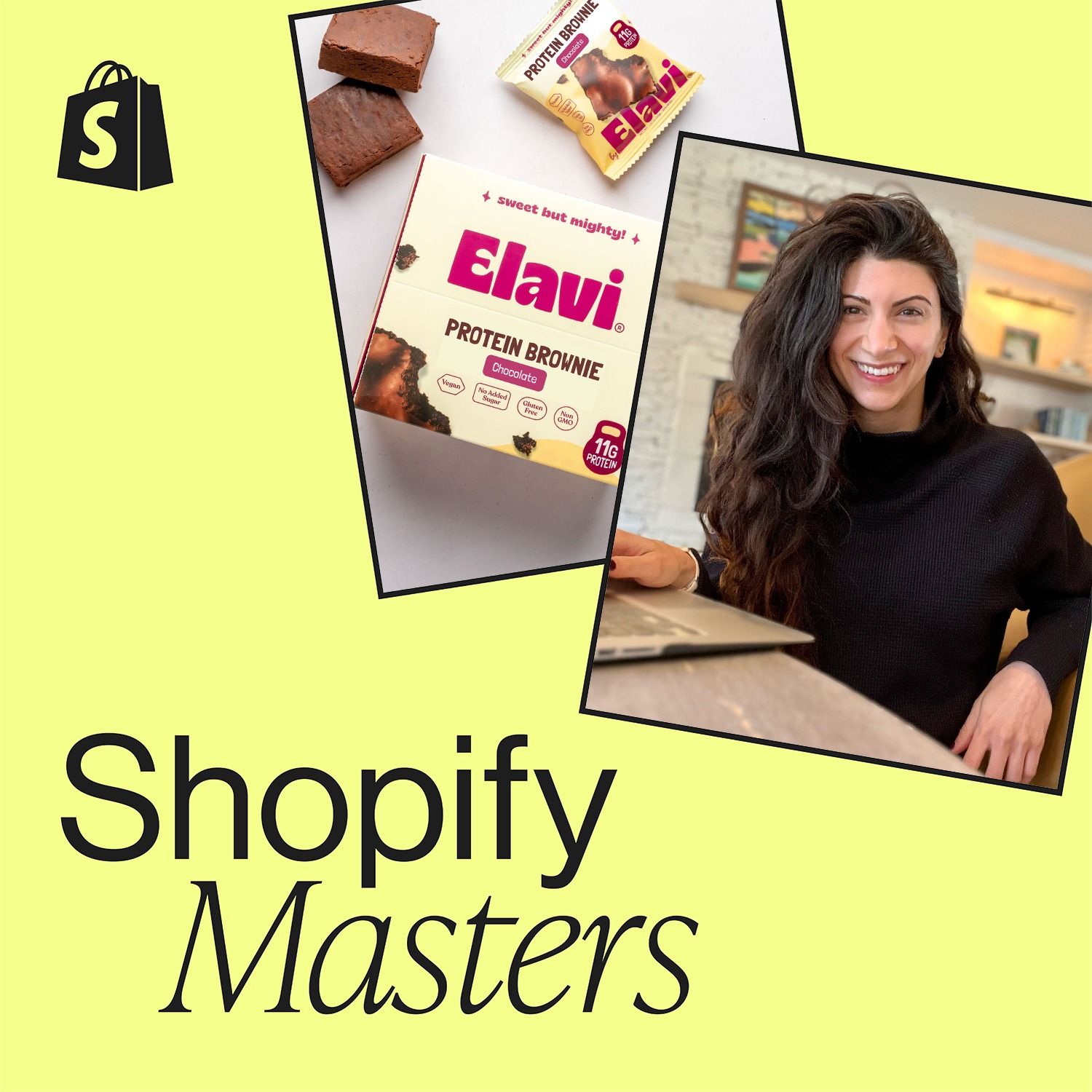
Alave made a bold packaging decision: making the product type (“Protein Brownie”) the main focus, not the brand logo. They gambled that in the split-second a customer looks at a shelf, clearly communicating *what* the product is proves more effective for a new brand than establishing *who* they are. The strategy crushed.
Consumers are trained by food packaging to look for simple, bold 'macros' (e.g., '7g Protein,' 'Gluten-Free'). Applying this concept to non-food items by clearly stating key attributes ('Chemical-Free,' 'Plant-Based') on the packaging can rapidly educate consumers at the point of purchase and differentiate the product.

When Coca-Cola used AI to update its classic "Holidays are Coming" ad, testing revealed a generational divide. While older audiences were indifferent, Gen Z viewers scored it poorly, suggesting a rejection of AI in contexts where authenticity and nostalgia are expected.

There is a clear generational divide in who consumers trust for beauty advice. Gen Z consumers view influencers and Key Opinion Leaders (KOLs) as their primary experts. In contrast, Millennials still place their trust in traditional authorities like dermatologists, trichologists, and professional salon stylists, requiring different marketing approaches.

Inde Wild successfully modernized the traditional Indian hair oiling ritual ('chumpy'), making it appealing to a new generation. This strategy of taking a familiar, nostalgic concept and repackaging it with a modern, 'cool' aesthetic resonates deeply with young consumers who are buying into reimagined versions of old traditions.
Testing of Coca-Cola's AI ad revealed an inverse relationship between age and acceptance. While older audiences scored it highly, Gen Z viewers were put off, scoring it poorly. This suggests the generation most fluent in technology may value authenticity and human craft more in advertising.
Robinhood discovered a counter-intuitive marketing approach: older customers are attracted to the "cool, new thing," while younger, Gen Z customers respond more strongly to messages of stability and longevity. This inversion challenges traditional assumptions about generational marketing in finance.

The success of "Zero Sugar" sodas over "Diet" sodas, despite being nearly identical products, reveals a generational shift in values. Younger consumers reject the restrictive connotations of "dieting" and embrace the positive, wellness-focused language of "zero," which aligns with a lifestyle of health optimization.
For a mature company like Square, the primary marketing challenge is not building awareness but correcting an outdated public perception. Many customers still associate them with their original 'little white reader,' unaware of the full product portfolio, requiring a strategy focused on education and perception shift.