Get your free personalized podcast brief
We scan new podcasts and send you the top 5 insights daily.
When developing a new 'clean' beauty product, formulators often mistakenly benchmark only against existing clean competitors. This limits innovation. By benchmarking against top-performing conventional products, brands can achieve superior performance without compromising on 'clean' standards.
Related Insights
Instead of copying what top competitors do well, analyze what they do poorly or neglect. Excelling in those specific areas creates a powerful differentiator. This is how Eleven Madison Park focused on rivals' bad coffee service to become the world's #1 restaurant.

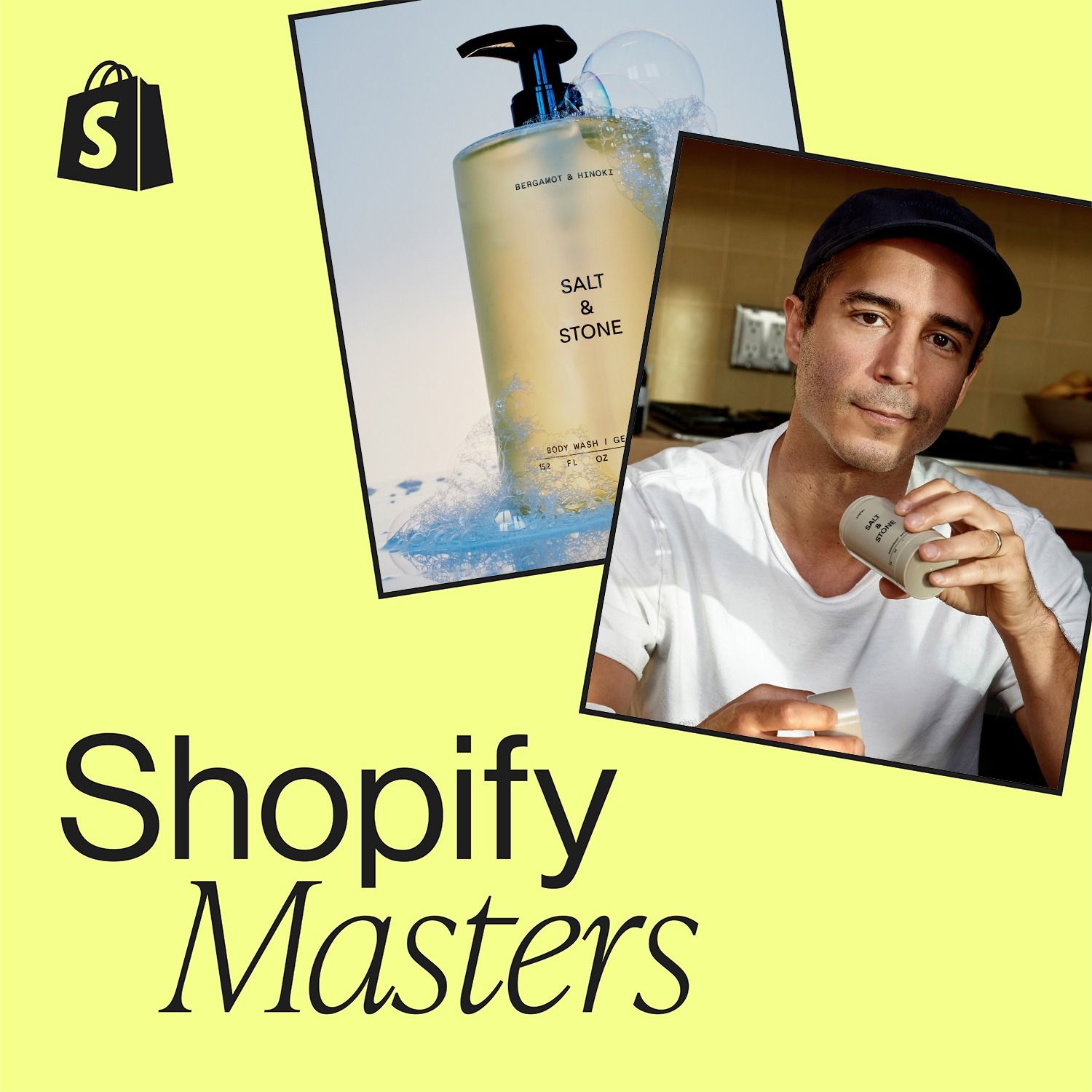
Salt & Stone launched its first deodorant knowing it wasn't the final version. The key was that it was significantly better than any competitor. The founder advises launching a superior product and iterating publicly, rather than waiting for an unattainable state of perfection.
Stop comparing your business metrics to industry averages. Since the average business is often struggling, aiming for average is a recipe for mediocrity. Winners are, by definition, outliers who reject average as their standard and build from first principles.

Using the Kano model, brands should focus on "delighters"—unexpected features that create immense satisfaction. Competing solely on standard performance attributes leads to homogeneity. Instead, find something your competitors do badly and excel at it to gain outsized attention.

Consumers are trained by food packaging to look for simple, bold 'macros' (e.g., '7g Protein,' 'Gluten-Free'). Applying this concept to non-food items by clearly stating key attributes ('Chemical-Free,' 'Plant-Based') on the packaging can rapidly educate consumers at the point of purchase and differentiate the product.

Environmentally friendly products often fail to gain mass adoption based on their eco-credentials alone. To break through, they should emulate brands like Tesla and Method Soap by focusing on superior design and branding to become desirable, elevated products that also happen to be sustainable.
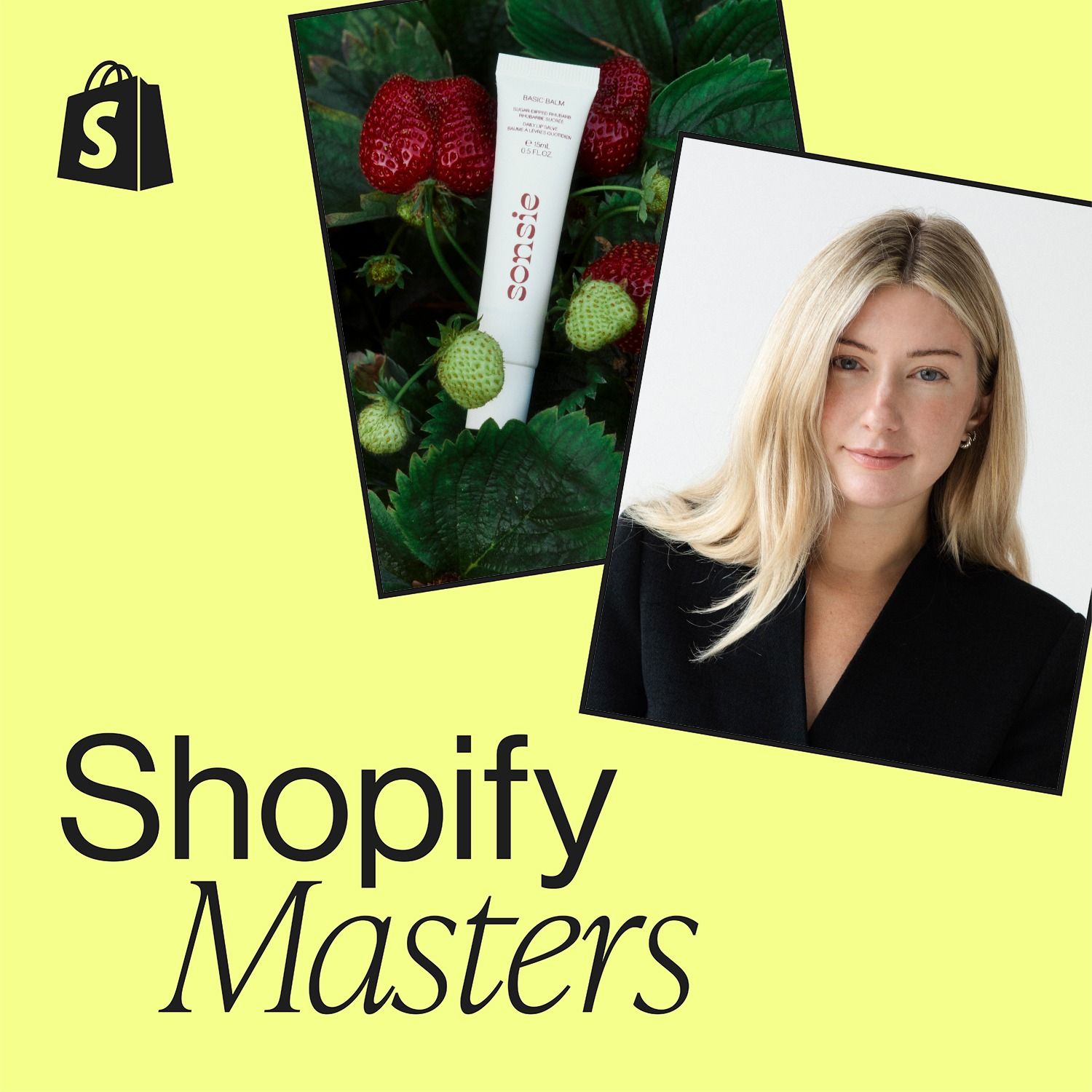
The 'clean beauty' movement has unfairly demonized all fragrances. In reality, many natural essential oils contain high levels of allergens. Sonsie Skin educates its customers that safe synthetic ingredients can be less irritating and still provide a luxury experience, challenging industry dogma.
For sophisticated consumers, branding based on unsubstantiated luxury materials can create skepticism. A marketing message focused on scientific proof, tangible benefits, and performance can be more compelling and build greater trust, especially for a high-price-point product.
Kaylee Bratt learned from her first brand, Sesto, that consumers prioritize efficacy. People won't buy a sustainable product if it doesn't work well. Performance must be the primary message, with sustainability as a supporting benefit, not the sole purchasing driver.
To create a successful new product, find the balance between what consumers already know and what is new. If a product is too familiar, it lacks differentiation. If it's too novel, it becomes foreign and difficult for consumers to adopt, creating a high barrier to entry.
