Get your free personalized podcast brief
We scan new podcasts and send you the top 5 insights daily.
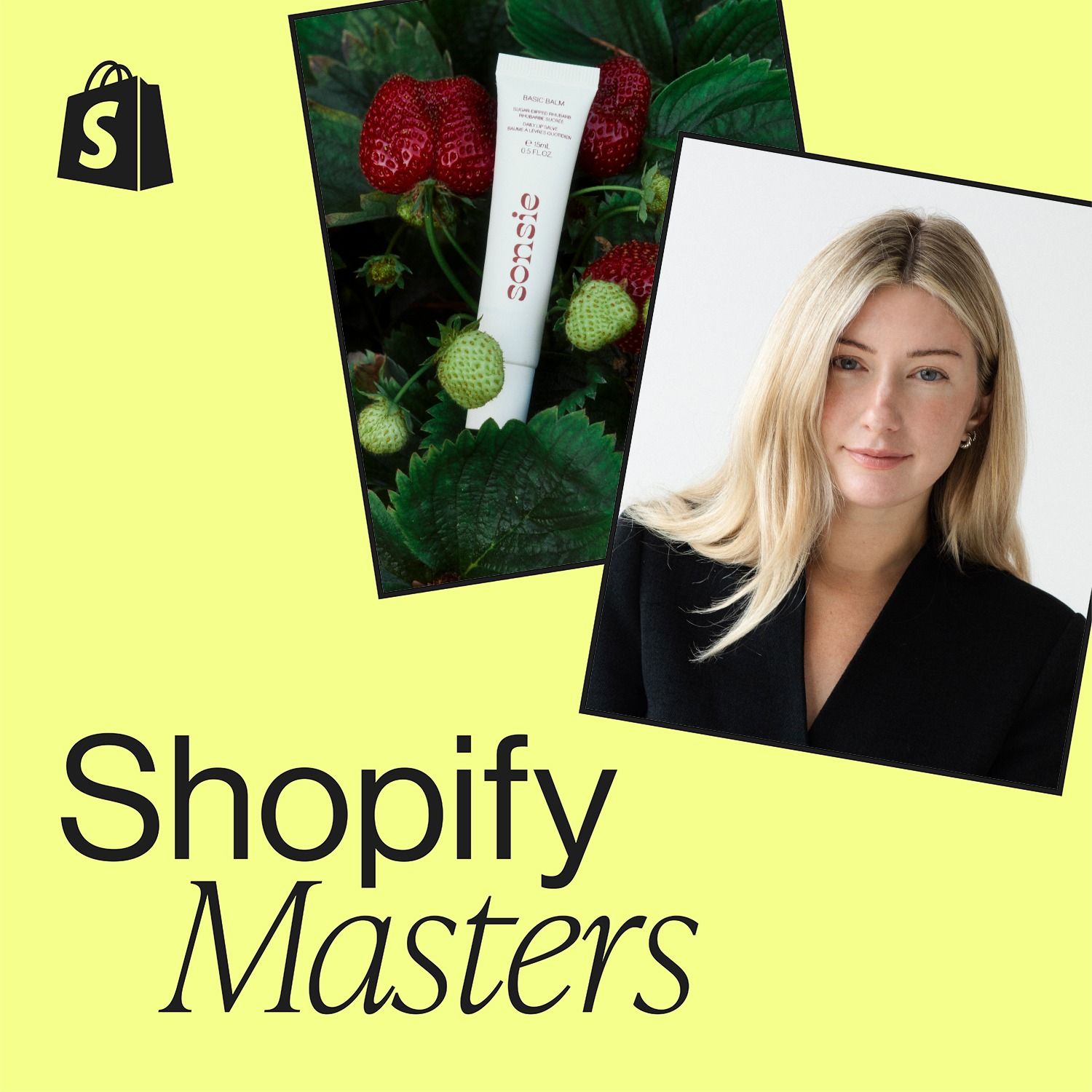
While online analytics are useful, in-person events provide invaluable, unfiltered customer feedback. Sonsie's team observed live interactions at a pop-up and immediately updated their website's product descriptions and FAQs based on the exact questions and surprising perceptions they heard.
Related Insights
GM views car dealers as a primary source of customer insight, not just a sales channel. Dealers effectively run continuous A/B tests on messaging and can provide real-time feedback on what resonates with customers—what "makes their eye sparkle"—which is often more potent than formal research.

Instead of asking direct questions like 'what's important?', prompt customers to recount specific, recent experiences. This storytelling method bypasses generic answers, reveals the 'why' behind their actions, and provides powerful narratives for persuading internal stakeholders.

Customers describe an idealized version of their world in interviews. To understand their true problems and workflows, you must be physically present. This uncovers the crucial gap between their perception and day-to-day reality.

True product intuition isn't just from standard discovery calls. It's forged by directly engaging with customers' most urgent problems on escalation calls. This unfiltered feedback provides conviction and data-backed confidence for decision-making.

To truly understand customers, go to their natural environment—their home or shop. Observing their context reveals far more than sterile office interviews. This practice, internally branded "Listen or Die," ensures the entire team stays connected to the user's reality.
Move beyond post-campaign surveys by implementing real-time feedback loops. After an HCP views content a set number of times, a pop-up can ask for a simple yes/no rating. This allows for immediate adjustments to content recommendations, personalizing the journey on the fly.

Founder Amanda Bradford used informal 'wine nights' with target users for customer research. This casual setting generated crucial feedback, like reordering the app's onboarding flow, proving that valuable insights don't require a formal, 'scientific' process to be effective.
Your audience will dictate your product roadmap if you listen. Porterfield's evolution was a direct response to customer feedback. They finished her webinar course and asked what to sell. They finished her product course and asked how to market it. The path to her flagship product was paved with their questions.

The only reliable way to understand a customer is to "forward deploy"—work alongside them in their actual environment. This direct experience of their job closes the context gap that interviews can't bridge, revealing unspoken needs and frustrations.

The fastest way to convince a skeptical stakeholder of research's value is to have them watch a usability test on a critical conversion funnel. Seeing a real user struggle to find the "buy" button creates an immediate, visceral understanding that no summary report can ever match.
