Get your free personalized podcast brief
We scan new podcasts and send you the top 5 insights daily.
Targeting infrastructure related to religious ceremonies, such as bombing bridges on a funeral procession route, plays directly into the Shia doctrine of martyrdom. Instead of intimidating hardliners, these actions can serve as a powerful rallying cry, reinforcing their narrative of persecution and strengthening their resolve.

Related Insights
Shia tradition dictates memorial services 40 days after a death. This created a repeating protest cycle: state violence created martyrs, whose memorials 40 days later sparked new demonstrations, leading to more deaths and more memorials, thereby escalating the conflict.

The bombing campaign, aimed at regime change, could be counterproductive. Prior to the conflict, Iran's regime was seen as unpopular and frail, potentially heading for collapse or moderation. The external attack risks creating a rally-round-the-flag effect, allowing the regime to consolidate power where mere survival becomes a victory.
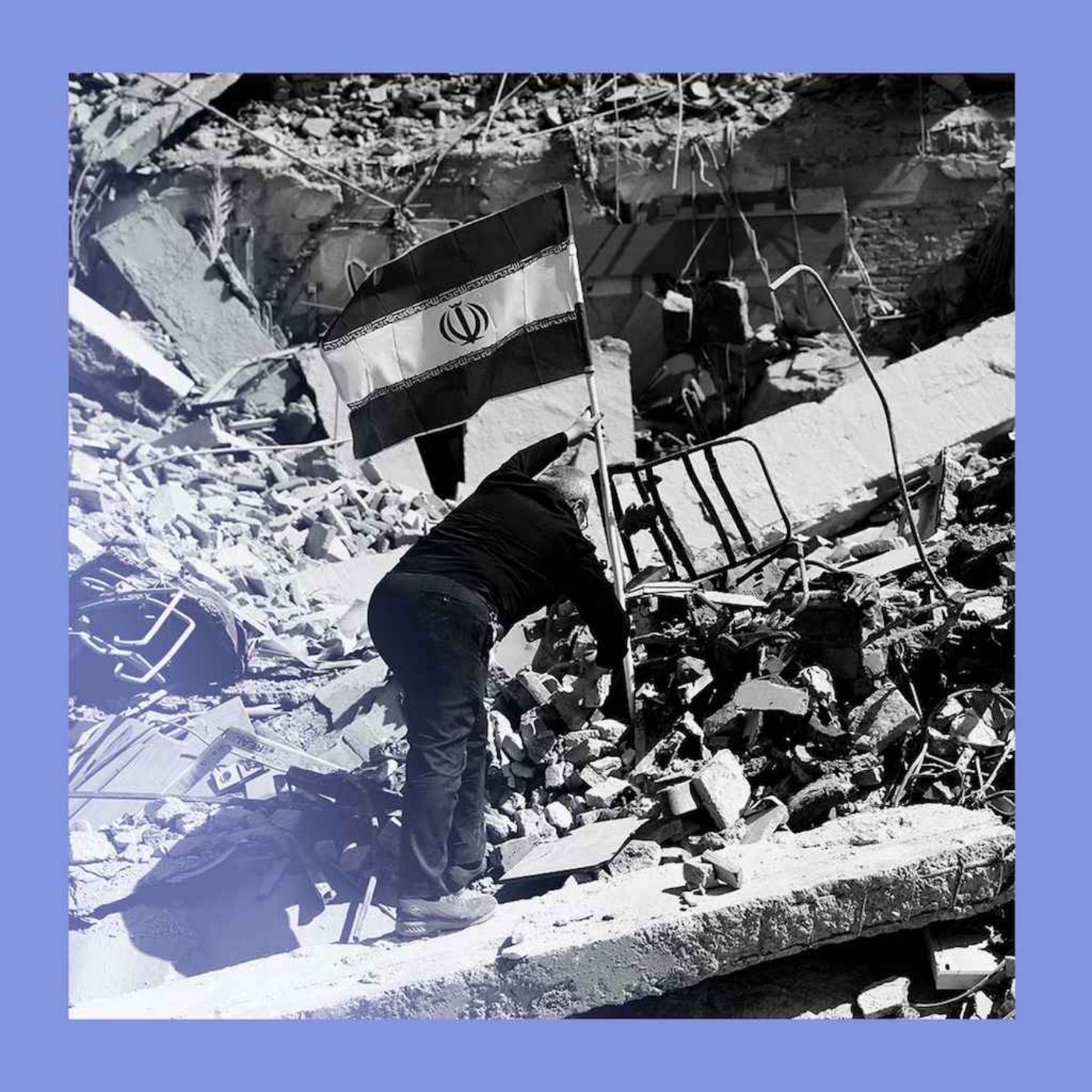
Contrary to weakening the Iranian regime, US military actions have had the opposite effect. An Iranian reporter notes that the strikes shifted public focus away from mass domestic protests and toward national unity against a foreign aggressor, creating an unintended "rally around the flag" effect.

The Iranian Revolution was fueled by a Shia worldview centered on martyrdom, cosmic struggle between good and evil, and an apocalyptic final battle. U.S. policymakers, lacking any understanding of this religious framework, were completely unprepared for its political power.
Military strikes on industrial targets, while tactically successful, often energize the targeted population and regime. This creates political backlash that overwhelms the military effects, ultimately making the adversary stronger and more unified, as was seen in Vietnam.

The assassination of Iran's old, restrained leadership paved the way for a new generation of commanders. This new group believes the previous strategy of restraint led to war, and that only aggressive, disproportionate responses can serve as an effective deterrent against the U.S. and Israel.

A U.S. military strike to remove Ayatollah Khamenei is unlikely to help protesters. Analysis suggests it would more likely result in the Revolutionary Guard seizing control or other regime remnants continuing the fight, ultimately failing to satisfy the opposition and potentially worsening the civil conflict.
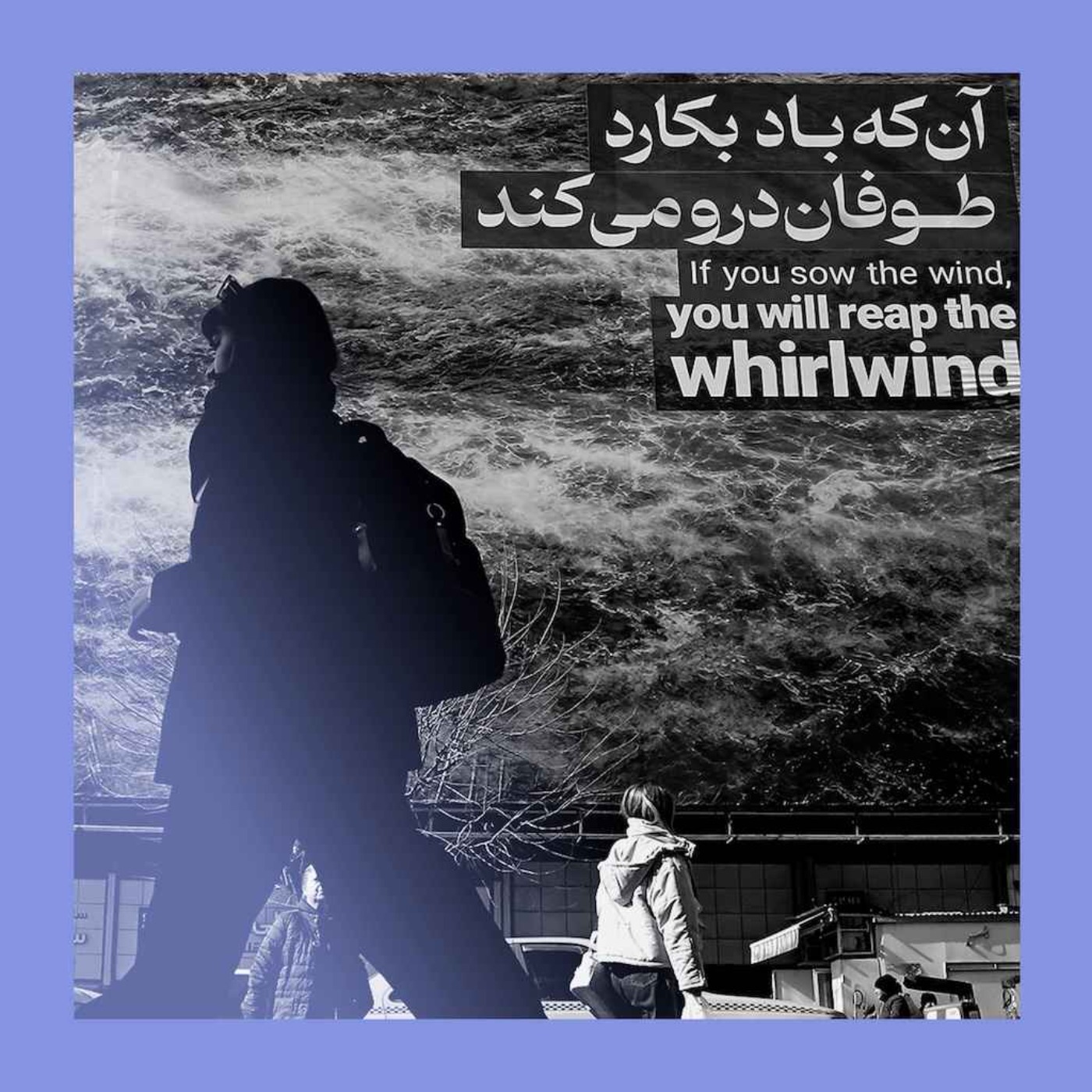
Regimes like Iran and groups like Hamas define self-destruction as a form of victory. To achieve traditional political goals against such an ideology, democracies must be prepared to use an overwhelming and morally challenging level of force, mirroring the use of atomic bombs against Imperial Japan.
![Darren Farber on Iran, China, and the Rise of Neoprimes - [Invest Like the Best, EP.474] thumbnail](https://megaphone.imgix.net/podcasts/ef669774-cccd-11ed-889b-c36caad6646f/image/158efdddfb983d2678b3530d484e8aa2.jpg?ixlib=rails-4.3.1&max-w=3000&max-h=3000&fit=crop&auto=format,compress)
The multi-day funeral procession for Ayatollah Khamenei is not just a domestic event. By routing the coffin through Iraq before its final burial in Iran, the regime is deliberately staging a public demonstration of its geopolitical reach and influence across the region, showcasing its network of allies.
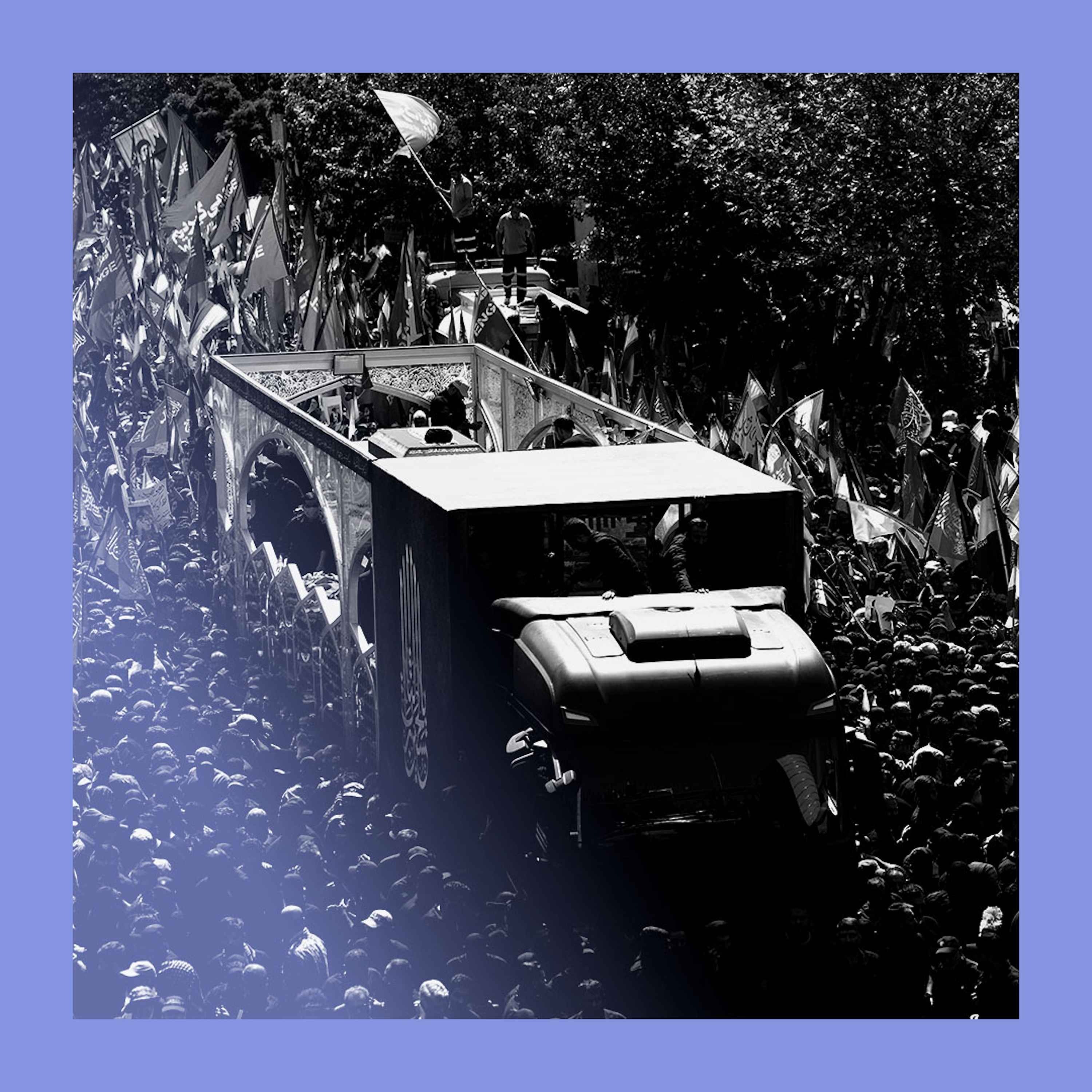
Despite widespread internal protests and instability, history shows that an external attack is one of the few things that can unify the Iranian population. A potential Israeli strike, meant to weaken the regime, could backfire by creating a 'rally 'round the flag' effect that shores up support for the Ayatollah.
