Get your free personalized podcast brief
We scan new podcasts and send you the top 5 insights daily.
Seedlip wasn't conceived as a business idea but as a solution to founder Ben Branson's personal frustration. After being served a childish mocktail at a fine dining restaurant, he felt excluded and foolish, sparking the idea for a sophisticated, adult non-alcoholic drink that provided choice and inclusion.

Related Insights
The idea for Birdies didn't come from market research. It came from Bianca Gates observing a recurring awkwardness in her own community meetings: guests were uncomfortable taking off their shoes. The product was a direct solution for a real-world problem she experienced personally.

The founder identified his own conflicting experiences—loving the social aspect of alcohol but hating the harm, and enjoying weed but disliking the disconnect. He built Breeze to provide the benefits of both without the downsides, starting from a deeply personal, relatable human problem.

Michael Dubin didn't conduct market research; he found his business opportunity in his personal annoyance with the high cost and inconvenient process of buying razors from a locked case. This shows that powerful business ideas often hide in plain sight as everyday frustrations.

The brand’s first fragrance wasn't born from market research but from the founder's personal need as a makeup artist for a scent that was clean and not overpowering to clients. This hyper-personal origin created a unique product and became a core theme for all future development.

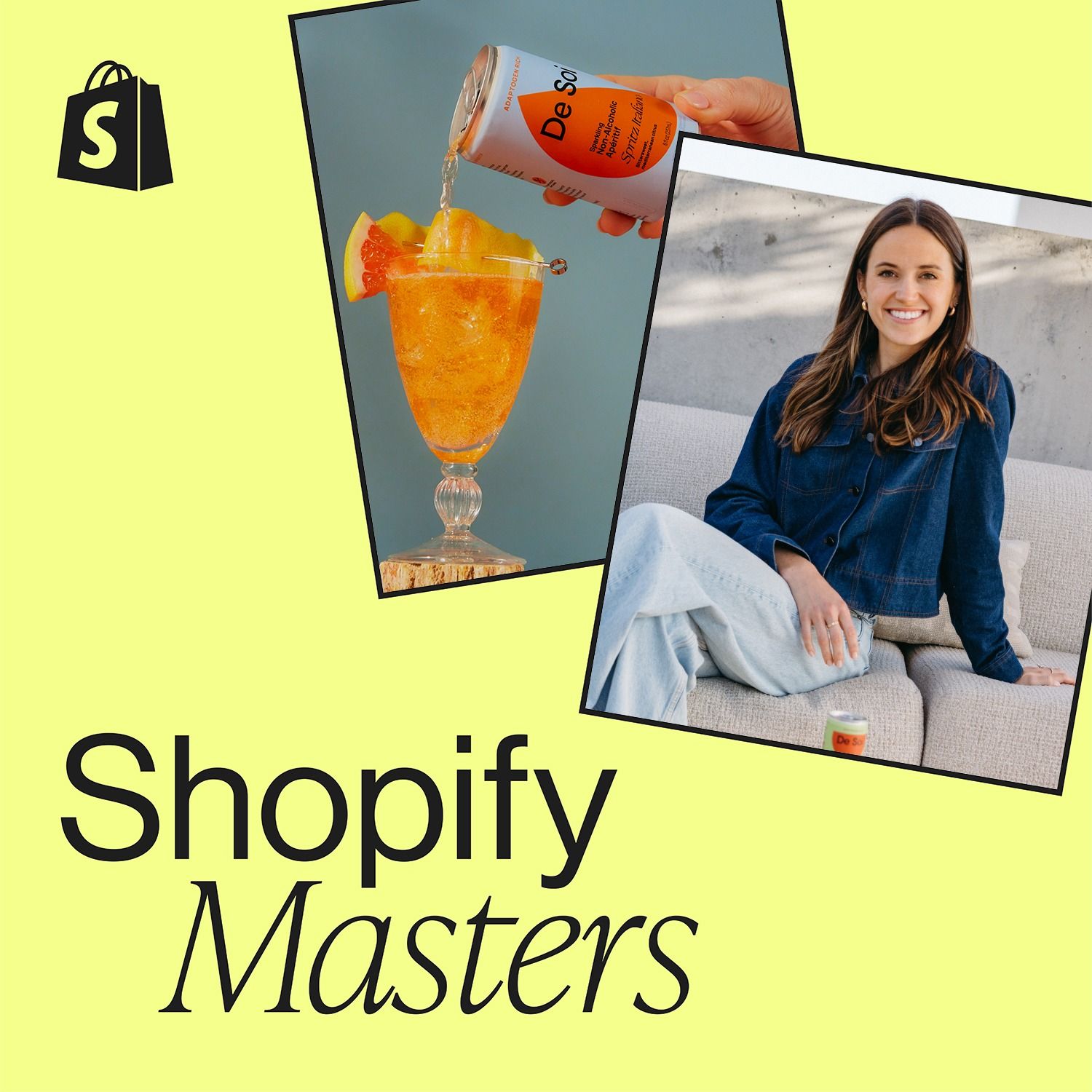
When De Soi launched, retailers and investors dismissed the non-alcoholic category. CEO Scout Brisson adopted a "not if, it's when" mindset, maintaining belief despite widespread skepticism. This conviction was essential for persevering until the market and major players like Target inevitably came around.
Founder Ben Branson planned to sell 1,000 bottles in six months; they sold out in three weeks. This unexpected demand shattered his plan, forced rapid scaling decisions he wasn't ready for, and made the first six months of the business incredibly stressful and unenjoyable.
The key business insight came not from the target sober-curious niche, but when a general party audience drained the non-alcoholic punch bowl faster than the boozy one. This proved a much larger addressable market existed among casual and social drinkers.
Seedlip's launch elicited anger and visceral negativity from some consumers. Founder Ben Branson realized this strong emotional response was a sign that his product was genuinely threatening the status quo and creating a new conversation. Indifference is the real enemy of innovation.
Ben Branson views his drinks not just as commercial products but as a medium for self-expression, similar to painting. This mindset allows him to create authentically and hold the tension between needing commercial success and not caring about negative opinions, as the act of creation is the primary motivation.
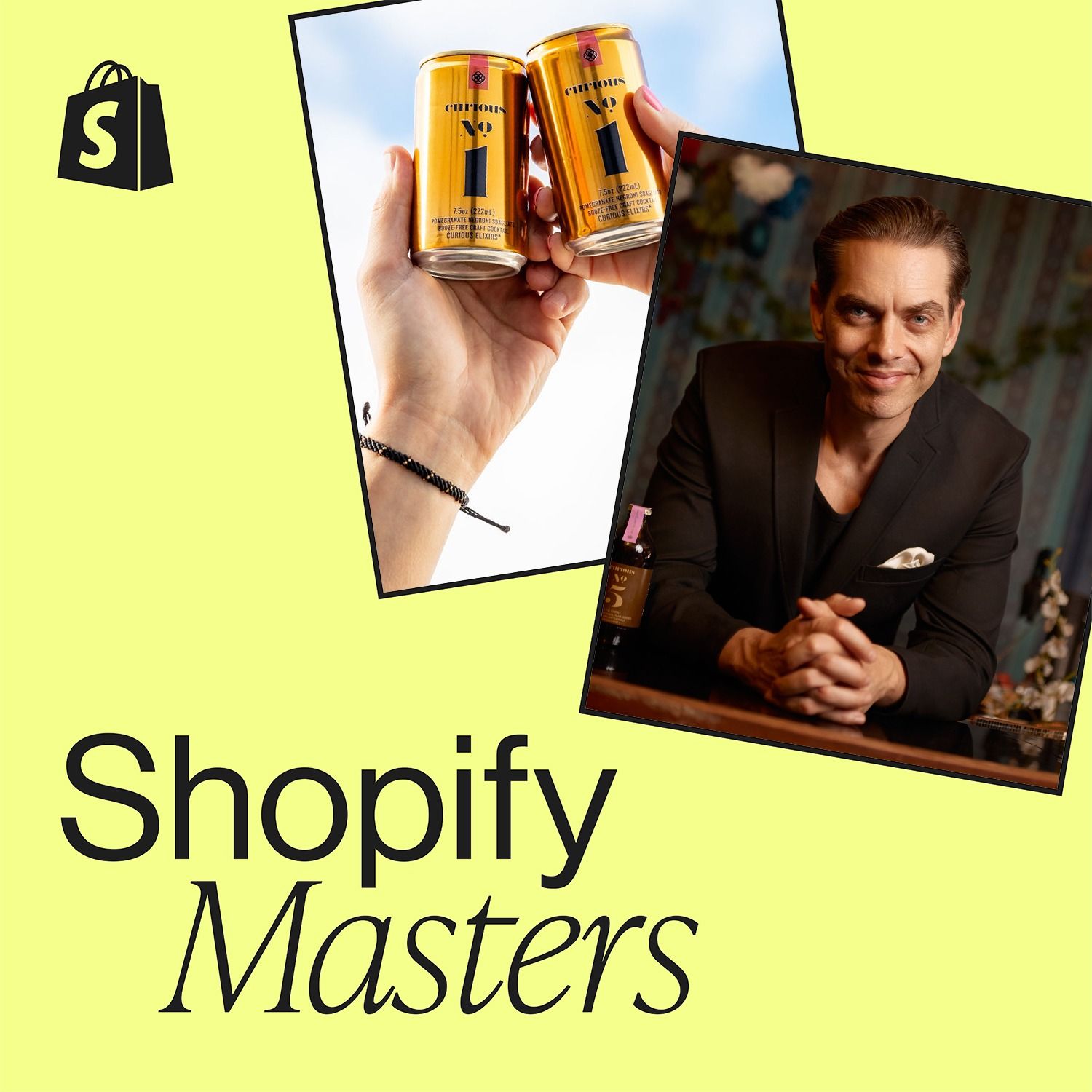
To create its complex non-alcoholic cocktails, Curious Elixirs had to first partner with food scientists to invent foundational ingredients, like non-alcoholic gentian extract, that didn't exist. True category creation required building the supply chain, not just the end product.