Get your free personalized podcast brief
We scan new podcasts and send you the top 5 insights daily.
The brand’s first fragrance wasn't born from market research but from the founder's personal need as a makeup artist for a scent that was clean and not overpowering to clients. This hyper-personal origin created a unique product and became a core theme for all future development.

Related Insights
Founders who have truly 'found' demand can break free from copying other startups' playbooks. They can confidently deploy unique tactics in product or marketing that seem strange to outsiders but perfectly fit their specific, proprietary understanding of customer needs, leading to outsized success.

The idea for Birdies didn't come from market research. It came from Bianca Gates observing a recurring awkwardness in her own community meetings: guests were uncomfortable taking off their shoes. The product was a direct solution for a real-world problem she experienced personally.

The founder identified his own conflicting experiences—loving the social aspect of alcohol but hating the harm, and enjoying weed but disliking the disconnect. He built Breeze to provide the benefits of both without the downsides, starting from a deeply personal, relatable human problem.

Michael Dubin didn't conduct market research; he found his business opportunity in his personal annoyance with the high cost and inconvenient process of buying razors from a locked case. This shows that powerful business ideas often hide in plain sight as everyday frustrations.

Proving that a hero product can come from an unexpected category, Mamaearth's initial major success was not a mainstream beauty item but a mosquito repellent for children. This product solved a very specific and high-pain problem for parents, driving the company's early growth and demonstrating the power of niche problem-solving.

The idea for her eyebrow empire wasn't from market research, but from personal dissatisfaction. She realized her over-tweezed eyebrows made her look surprised in photos and applied art principles to fix them. This personal solution revealed a massive, unaddressed market need.

The business-changing insight to create a product line came from an actress who needed a way for her makeup artist to maintain her eyebrows for a six-month film shoot. This specific, high-stakes problem forced the creation of a replicable kit, directly leading to the scalable product business.
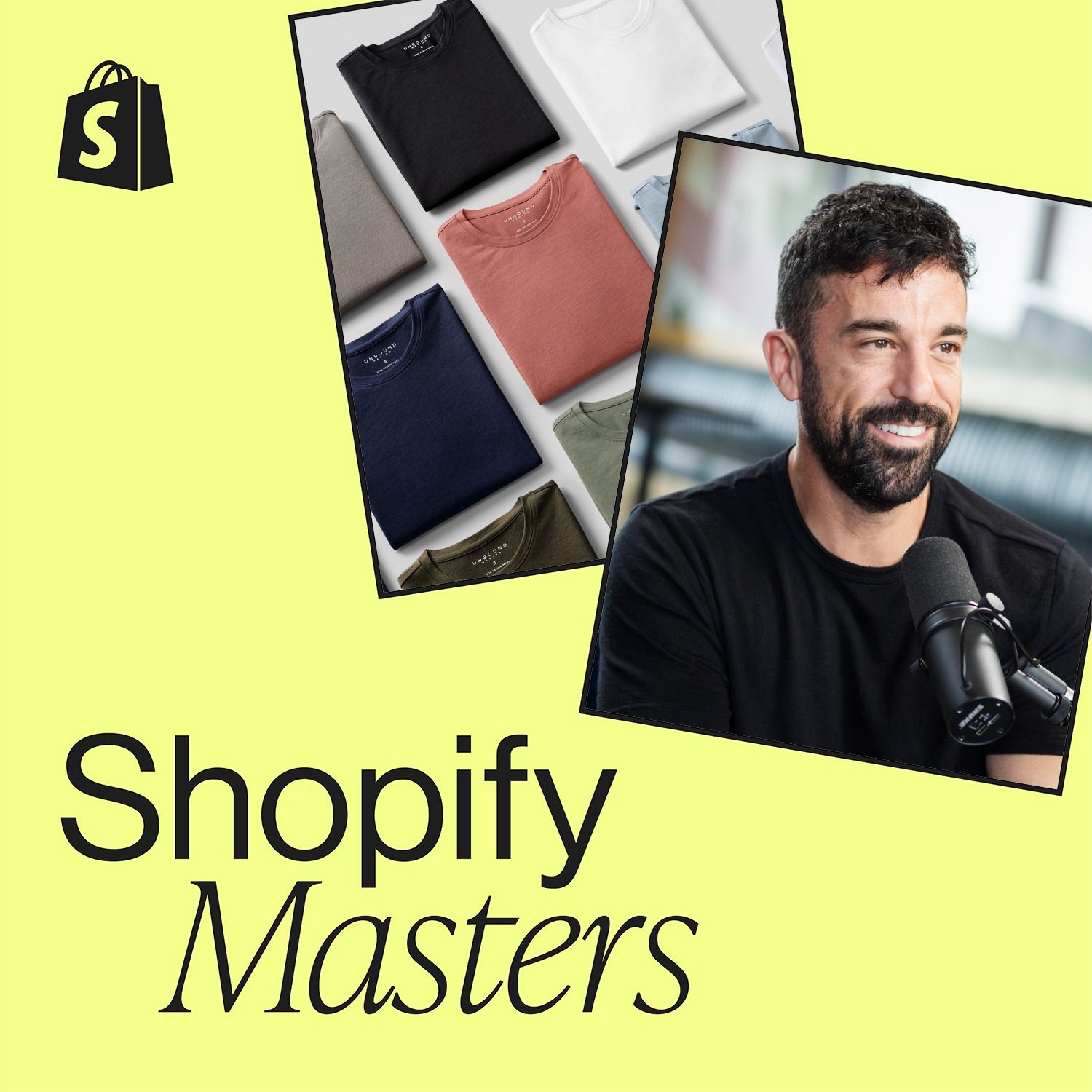
The idea for Unbound Merino came from the founder's own frustrating search for stylish, high-performance travel clothing. When he couldn't find what he wanted, he created it, correctly betting that many others shared his specific problem.
Instead of searching for a market to serve, founders should solve a problem they personally experience. This "bottom-up" approach guarantees product-market fit for at least one person—the founder—providing a solid foundation to build upon and avoiding the common failure of abstract, top-down market analysis.

Instead of contorting to fit a market, build something that is 'you pushed out.' The most resonant products are often a natural extension of the founder's obsessions and personality. This authenticity makes the work feel effortless and creates a product that clicks with a specific audience.
