Get your free personalized podcast brief
We scan new podcasts and send you the top 5 insights daily.
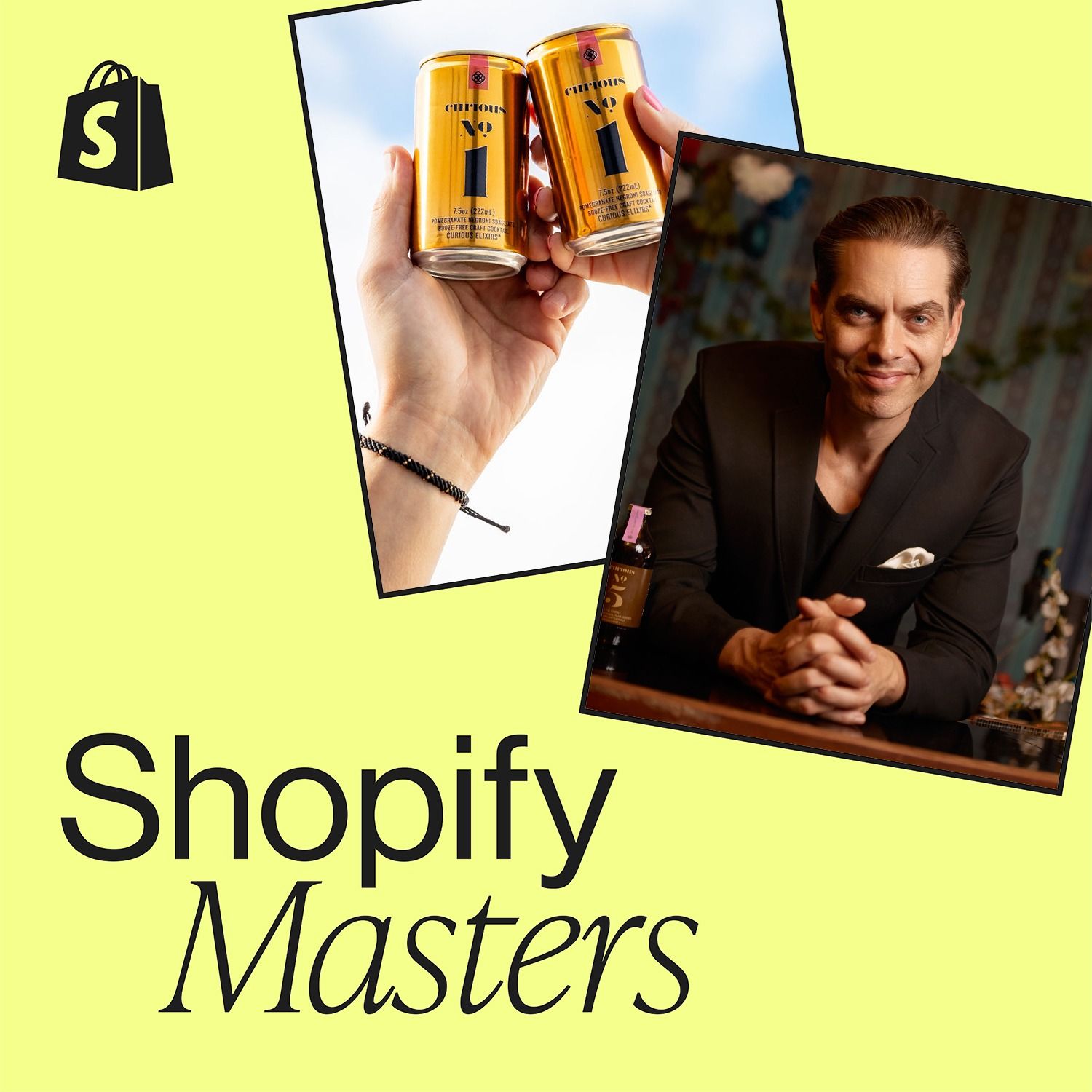
The key business insight came not from the target sober-curious niche, but when a general party audience drained the non-alcoholic punch bowl faster than the boozy one. This proved a much larger addressable market existed among casual and social drinkers.
Related Insights
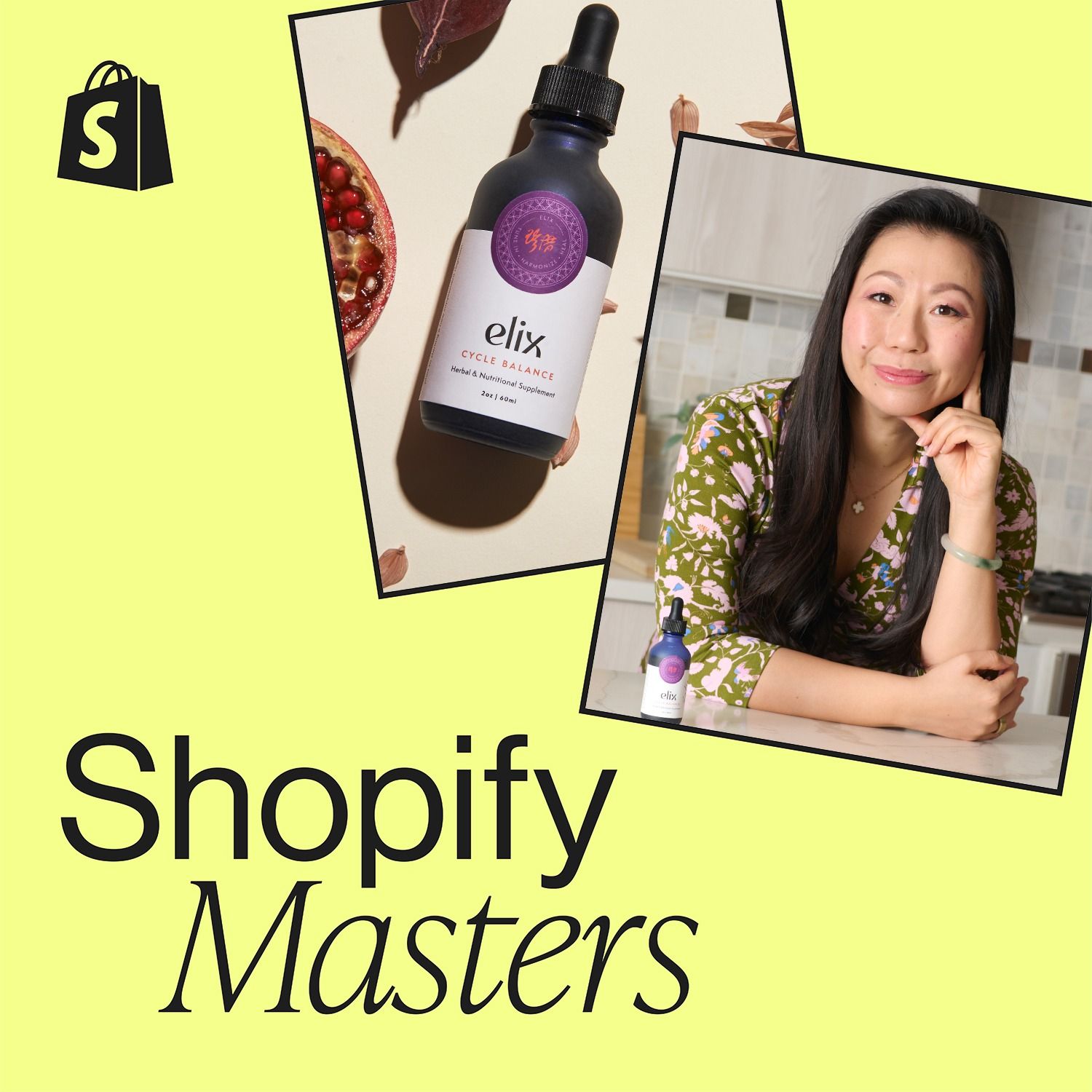
Elix founder Lulu Ge assumed her organic Chinese medicine brand would appeal to an urban, liberal demographic. Instead, she was surprised to find her highest-converting customers were from rural, non-coastal areas, highlighting the danger of demographic assumptions and the broad need for alternative health solutions.
As alcohol consumption declines, cannabis-infused drinks are entering the mainstream and displacing traditional alcohol sales. In markets like Minnesota, these new beverages already account for over 15% of total alcohol sales, signaling a massive shift in consumer preference.
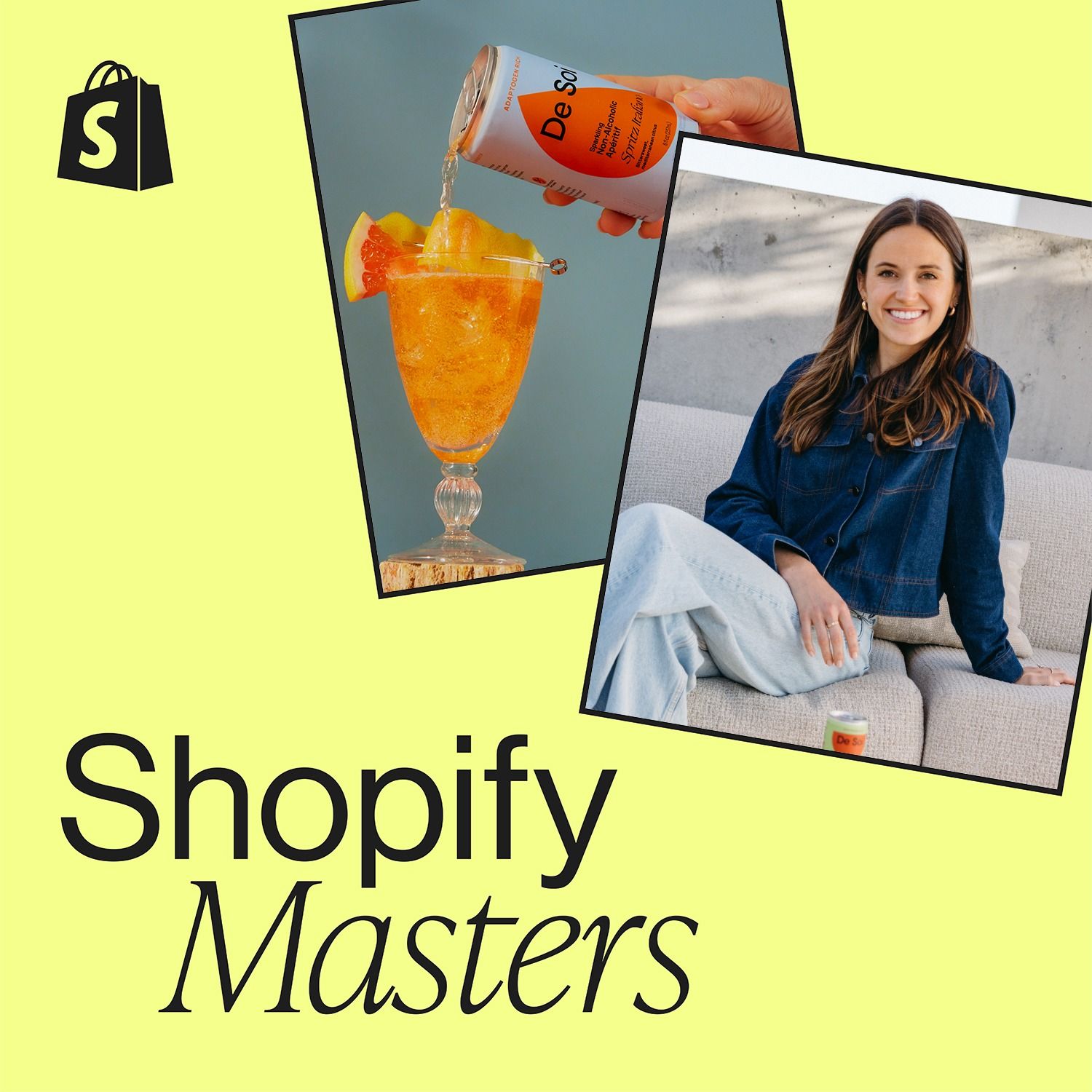
When De Soi launched, retailers and investors dismissed the non-alcoholic category. CEO Scout Brisson adopted a "not if, it's when" mindset, maintaining belief despite widespread skepticism. This conviction was essential for persevering until the market and major players like Target inevitably came around.
Athletic Brewing's success comes from rejecting the standard industrial process for non-alcoholic beer. They took a capital-intensive path, building their own breweries to develop a proprietary method that creates a product on par with top craft beers, fundamentally changing category perceptions.

Counterintuitively, Michelin-star establishments like The French Laundry were the earliest adopters because their core mission is ultimate guest hospitality. Mid-tier restaurants, being less focused on bespoke service, took years longer to understand and cater to this growing customer need.
Major beverage companies are turning the teetotalism trend into a high-margin opportunity. They market non-alcoholic beers at prices comparable to their alcoholic counterparts. Because these products are not subject to alcohol taxes, companies can achieve significantly higher profit margins, effectively monetizing sobriety.

To create its complex non-alcoholic cocktails, Curious Elixirs had to first partner with food scientists to invent foundational ingredients, like non-alcoholic gentian extract, that didn't exist. True category creation required building the supply chain, not just the end product.
As alcohol consumption falls, consumers are seeking alternatives beyond just non-alcoholic drinks. Companies like Ultra are capitalizing on this by marketing non-nicotine pouches as cognitive enhancers for high performers, successfully reframing a vice product as a wellness tool.

The founder deliberately avoided VC funding to build a strong foundation for his long-term vision of transforming social drinking. This approach puts the mission before money, accepting slower, more capital-constrained growth as a necessary trade-off to maintain mission purity.
Athletic Brewing isn't just serving non-drinkers; 80% of its customers also consume alcohol. The brand is bringing new consumers into the beer category (25% are new to beer) and creating new consumption occasions, making it an additive force in an otherwise declining market.