Get your free personalized podcast brief
We scan new podcasts and send you the top 5 insights daily.
A founder set up an AI agent on a cron job to proactively scan the web twice daily for relevant industry news. The agent surfaces interesting studies and, upon request, immediately drafts a blog post, turning a passive tool into an active, automated content engine.
Related Insights
Platforms like Nebula allow founders to move beyond simple automation. By providing a high-level directive and connecting services, AI agents can run entire business functions, like a content blog that researches, writes, and publishes daily with minimal human intervention.

Instead of static documents, companies can embed their strategy into an AI agent. This agent assists in planning, identifies cross-departmental conflicts, and can be queried in real-time during decision-making to ensure constant alignment, making strategy a dynamic part of daily operations.

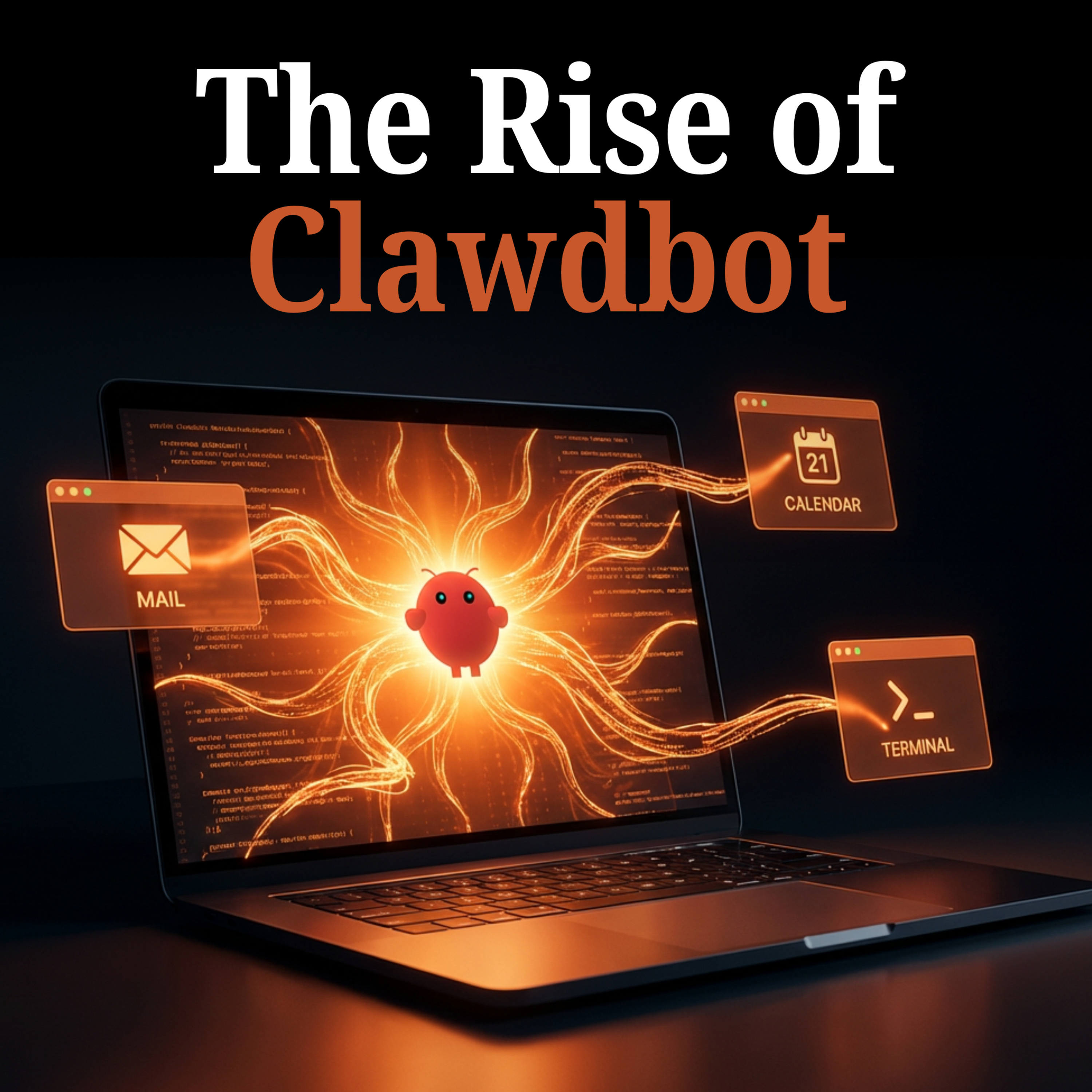
Frame your relationship with AI agents like Clawdbot as an employer-employee dynamic. Set expectations for proactivity, and it will autonomously identify opportunities and build solutions for your business, such as adding new features to your SaaS based on market trends while you sleep.
A marketing team at NAC created a custom AI engine that queries LLMs, scrapes their citations, and analyzes the results against its own content. This proactive workflow identifies content gaps relative to competitors and surfaces new topics, directly driving organic reach and inbound demand.

A key capability is creating skills that continuously search the web, Reddit, and X for the latest techniques on a topic. The agent then incorporates this new knowledge to improve its future outputs and stay current.
The era of giving AI simple, discrete tasks like "write a blog post" is ending. To effectively use emerging agentic AI teams, you must shift to providing high-level outcomes, such as "develop a content strategy to grow our audience by 30%," and let the AI orchestrate the necessary steps.

Early AI adoption focused on idea generation and copy help. The next wave involves autonomous AI agents that execute tasks like creating webpages, optimizing campaigns, and auto-building reports, moving AI from a thought-partner to an active tool that 'does' the work.

The era of prompt engineering is ending. The future is proactive AI agents working in the background to surface critical information. These agents will automatically monitor for and alert teams to competitor launches, new patent filings, and regulatory changes, shifting from a manual 'pull' to an automated 'push' model of intelligence.

Clawdbot can autonomously identify market trends (like X's new article feature), propose new product features, and even write the code for them, acting more like a chief of staff than a simple task-doer.
Use advanced AI features like ChatGPT's "agent mode" to perform multi-step, autonomous research. Schedule recurring tasks for the AI to analyze the latest social media algorithm changes and generate content strategies based on its findings, saving significant time.
