Get your free personalized podcast brief
We scan new podcasts and send you the top 5 insights daily.
Frame your relationship with AI agents like Clawdbot as an employer-employee dynamic. Set expectations for proactivity, and it will autonomously identify opportunities and build solutions for your business, such as adding new features to your SaaS based on market trends while you sleep.

Related Insights
The most powerful use of AI for business owners isn't task automation, but leveraging it as an infinitely patient strategic advisor. The most advanced technique is asking AI what questions you should be asking about your business, turning it from a simple tool into a discovery engine for growth.

Frame AI agent development like training an intern. Initially, they need clear instructions, access to tools, and your specific systems. They won't be perfect at first, but with iterative feedback and training ('progress over perfection'), they can evolve to handle complex tasks autonomously.

Shifting the mindset from viewing AI as a simple tool to a 'digital worker' allows businesses to extract significantly more value. This involves onboarding, training, and managing the AI like a new hire, leading to deeper integration, better performance, and higher ROI.

Don't limit an AI agent to tasks you can already imagine. After providing full context on your work, ask it open-ended questions like, “How can you make my life easier?” This strategy of “hunting the unknown unknowns” allows the AI to suggest novel, high-value workflows you wouldn't have thought to request.
Don't view AI tools as just software; treat them like junior team members. Apply management principles: 'hire' the right model for the job (People), define how it should work through structured prompts (Process), and give it a clear, narrow goal (Purpose). This mental model maximizes their effectiveness.
To unlock the full potential of AI, don't just assign it single tasks. Instead, ask: 'If I had infinite, always-available junior talent, what is the ideal process I'd have them follow for a new ticket?' This framing helps you design more comprehensive, multi-step prompts and automations.

Instead of integrating with existing SaaS tools, AI agents can be instructed on a high-level goal (e.g., 'track my relationships'). The agent can then determine the need for a CRM, write the code for it, and deploy it itself.
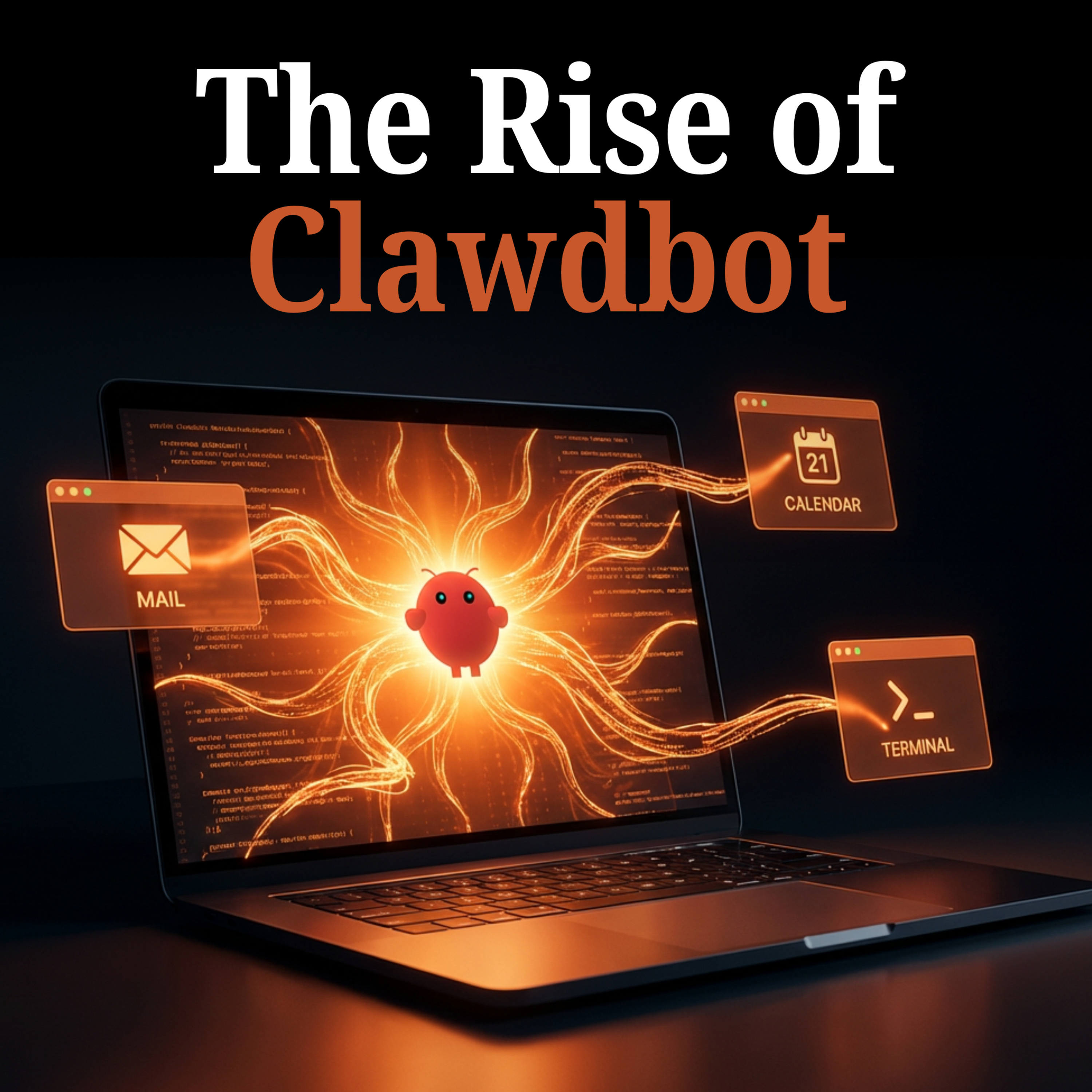
The transition from AI as a productivity tool (co-pilot) to an autonomous agent integrated into team workflows represents a quantum leap in value creation. This shift from efficiency enhancement to completing material tasks independently is where massive revenue opportunities lie.

Clawdbot can autonomously identify market trends (like X's new article feature), propose new product features, and even write the code for them, acting more like a chief of staff than a simple task-doer.
The paradigm shift with AI agents is from "tools to click buttons in" (like CRMs) to autonomous systems that work for you in the background. This is a new form of productivity, akin to delegating tasks to a team member rather than just using a better tool yourself.