Get your free personalized podcast brief
We scan new podcasts and send you the top 5 insights daily.
Claiming an AI-forward culture without formal onboarding training leaves sales personnel ill-equipped to use generative tools effectively. Companies need structured curriculums focused on prompt literacy and rigorous output evaluation so sellers can ensure agents adhere to guidelines and avoid forming bad habits.

Related Insights
A common mistake in enterprise AI adoption is providing access to tools like ChatGPT or Copilot without comprehensive support. A successful transformation requires not just access, but also robust training on effective use and a rigorous process for evaluating and choosing tools intelligently.

Frame your relationship with AI agents as an employer-employee dynamic. This involves proper onboarding, creating documentation for processes, and defining clear roles and communication protocols to ensure they operate effectively and align with your goals.

As AI handles the mechanical assembly of proposals and RFPs, the salesperson's value shifts. The most crucial skill is no longer content creation but the critical thinking needed to guide AI, validate its output, and personalize the final product. Enablement must focus training on developing this judgment, especially through discovery skills.

The primary focus for leaders should be fostering a culture of safe, ethical, and collaborative AI use. This involves mandatory training and creating shared learning spaces, like Slack channels for prompt sharing, rather than just focusing on tool procurement.
Don't just "turn on" an AI sales agent and expect results. The only path to success is to first identify what works with your human reps—the scripts, the process, the data. Then, you must manually train the AI on that proven playbook, iterating and refining its performance daily for at least a month. The AI automates success; it doesn't create it from scratch.
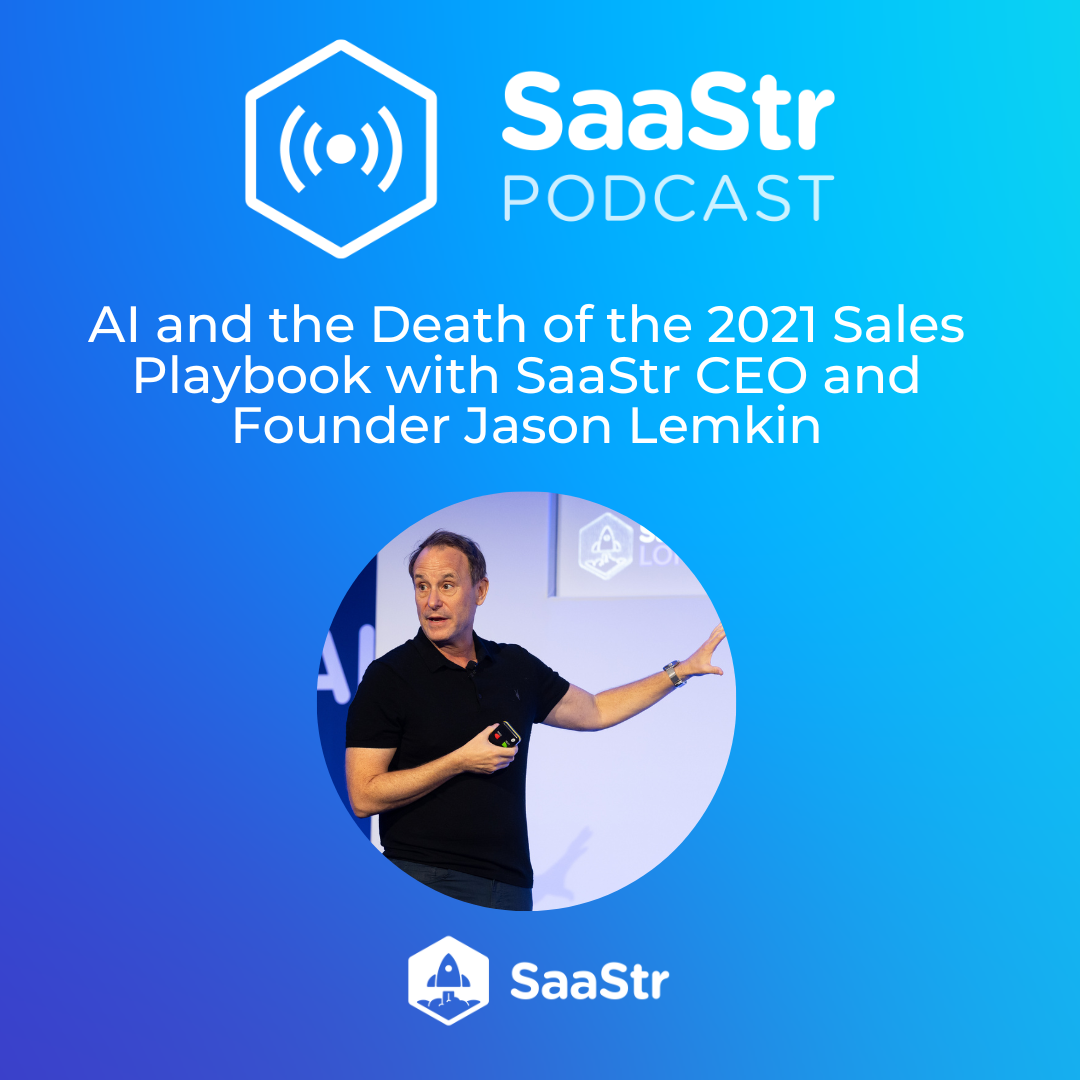
True AI adoption requires more than technical know-how. Salesforce's internal training mandates proficiency in Agent skills (AI literacy), Human skills (adaptability, EQ), and Business skills (problem-solving, storytelling), recognizing that technology is only one part of the transformation.

To ease the transition to AI workflows, begin by encouraging employees to use common tools like ChatGPT with simple, conversational prompts. This builds comfort with generative responses. Only after this foundation is set should you introduce the concept of supervising small, autonomous AI agents, making adoption more natural.

A common misconception is that AI agents are "set it and forget it" technology. In reality, they require daily coaching, especially in the first 30-60 days. Using scorecards, giving feedback, and continuously training them on new offers and content is crucial for maintaining brand voice and ensuring high performance.

Marketing teams suffer from inconsistent AI outputs because individuals use different prompts. A dedicated Prompt Strategist builds and manages a shared prompt library, training the team to ensure brand alignment and reduce AI hallucinations across the entire function.

Just as sales reps require training, AI agents need a consistent foundation of knowledge. This new concept of "agent enablement" involves feeding them curated data from calls, CRM, and playbooks to ensure their outputs are accurate and aligned with company strategy.
