Get your free personalized podcast brief
We scan new podcasts and send you the top 5 insights daily.
An Indian youth movement responded to Prime Minister Narendra Modi's attempts to placate them not with anger, but with mocking online tutorials on how to create better viral videos. This use of humor and digital savvy bypasses state-controlled media and effectively dismantles a leader's carefully managed, authoritarian image, proving ridicule can be a powerful form of dissent.
Related Insights
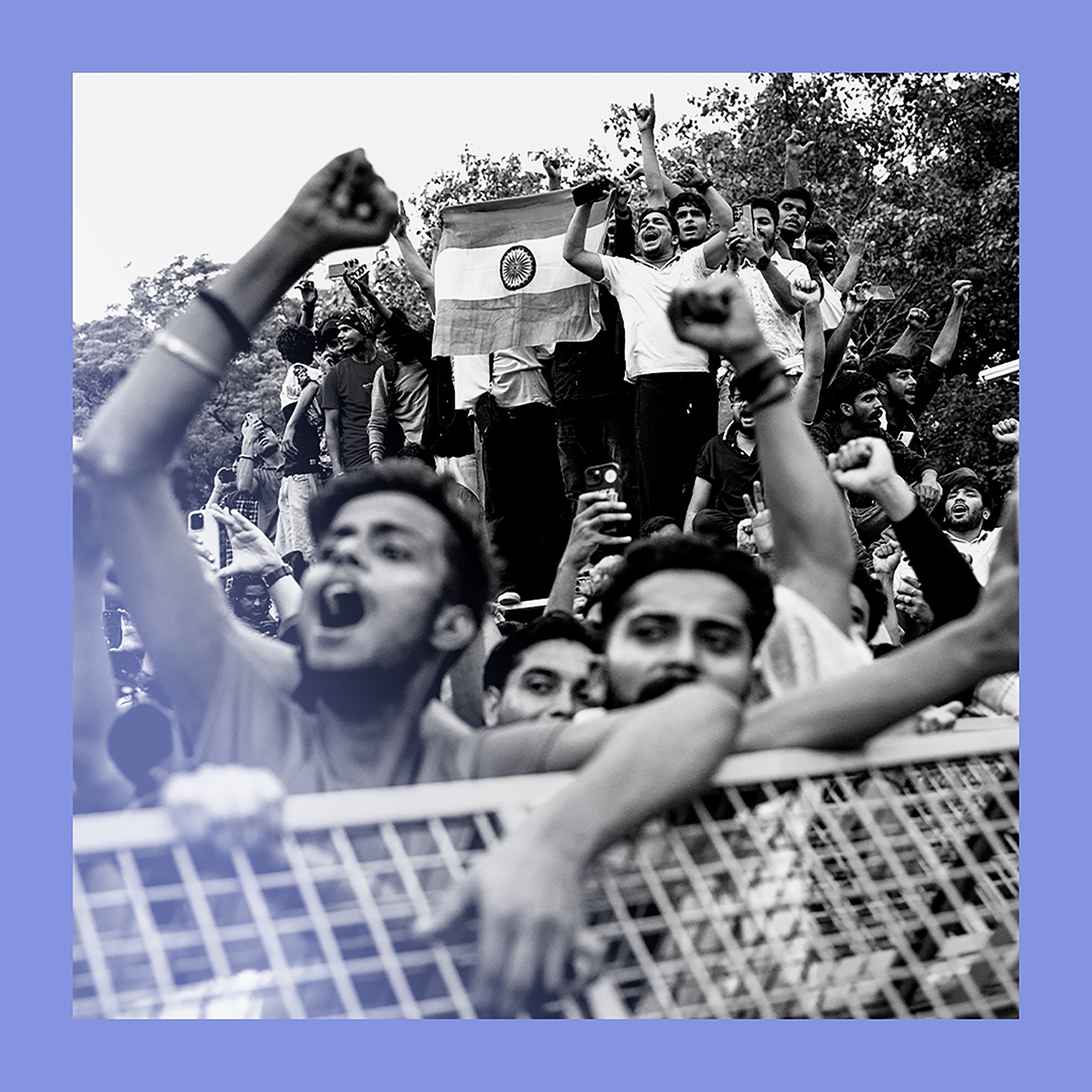
Initially a joke, India's 'Cockroach People's Party' attracted millions of followers online. However, its first major physical protest was surprisingly small, with only a few thousand attendees. This demonstrates a critical gap between viral social media engagement and the organizational capacity needed for effective, large-scale street movements.
When using humor or criticism online, target established figures or flawed industry trends rather than inexperienced individuals. This approach allows you to build a critical voice without being perceived as a bully, thus avoiding burning bridges with emerging talent in your space.

Authoritarian regimes rely on 'big lies' to control the narrative. The modern counter is the camera phone, which allows citizens to create many small, verifiable records from multiple angles. This flood of 'little truths' can dissolve or push back against state-sponsored propaganda.

The viral reaction to Venezuelan President Maduro's capture focused on his Nike tracksuit, turning a serious event into memes. This cultural trend of "comedy" and memefication sanitizes and distracts from the oppressive reality of authoritarian regimes.

Historically, Indian political change was driven by powerful street movements led by towering figures like Gandhi or Modi. The new 'Cockroach Party' protest, however, is helmed by a communications consultant who accidentally started it with internet memes. This signals a shift from charismatic, top-down leadership to more decentralized, digitally-born activism.
The proliferation of cell phone cameras has fundamentally changed activism. By capturing events from multiple angles, citizens create an irrefutable public record that counters official disinformation and makes the phrase "We see you" a powerful tool for accountability.
According to Jane Fonda, authoritarian leaders thrive on an image of being impermeable and inevitable. Humor and ridicule are powerful weapons against this because they expose weakness and humanity, which authoritarians cannot tolerate. A comic making fun of a dictator shatters the carefully constructed facade of invincibility.
What began as a single satirical tweet comparing India's jobless youth to cockroaches morphed into a massive protest movement with millions of followers. This trajectory shows that seemingly frivolous online content can serve as a potent rallying point for deep-seated public grievances, ultimately leading to significant political consequences like a cabinet minister's resignation.
Movements like Serbia's Otpor perfected "dilemma actions," which use humor and theatrics to force authorities into a lose-lose situation. Any response—ignoring the act, making arrests, or even seizing an inanimate object—makes the regime appear absurd, illegitimate, and weak, thereby eroding its power.

Facing a government that habitually brands critics as "anti-national," Indian youth protesters strategically employed patriotic symbols, such as clutching copies of the constitution and dressing as Gandhi. This tactic reframes their dissent as a patriotic duty to defend the country's future, making it significantly harder for authorities to discredit or suppress the movement.