Get your free personalized podcast brief
We scan new podcasts and send you the top 5 insights daily.
Historically, Indian political change was driven by powerful street movements led by towering figures like Gandhi or Modi. The new 'Cockroach Party' protest, however, is helmed by a communications consultant who accidentally started it with internet memes. This signals a shift from charismatic, top-down leadership to more decentralized, digitally-born activism.
Related Insights
Initially a joke, India's 'Cockroach People's Party' attracted millions of followers online. However, its first major physical protest was surprisingly small, with only a few thousand attendees. This demonstrates a critical gap between viral social media engagement and the organizational capacity needed for effective, large-scale street movements.
In times of crisis, expecting an opposition party to lead the charge is a mistake. Real political movements are initiated by citizens who set the moral terms and take risks. The political party then becomes just one part of a larger coalition that it doesn't necessarily lead.

Modern populists gain influence by creating organic content that captures algorithmic attention, effectively turning a small campaign budget into disproportionate reach. This bottom-up strategy bypasses traditional, money-driven political machines by treating social attention as the primary currency, not dollars.

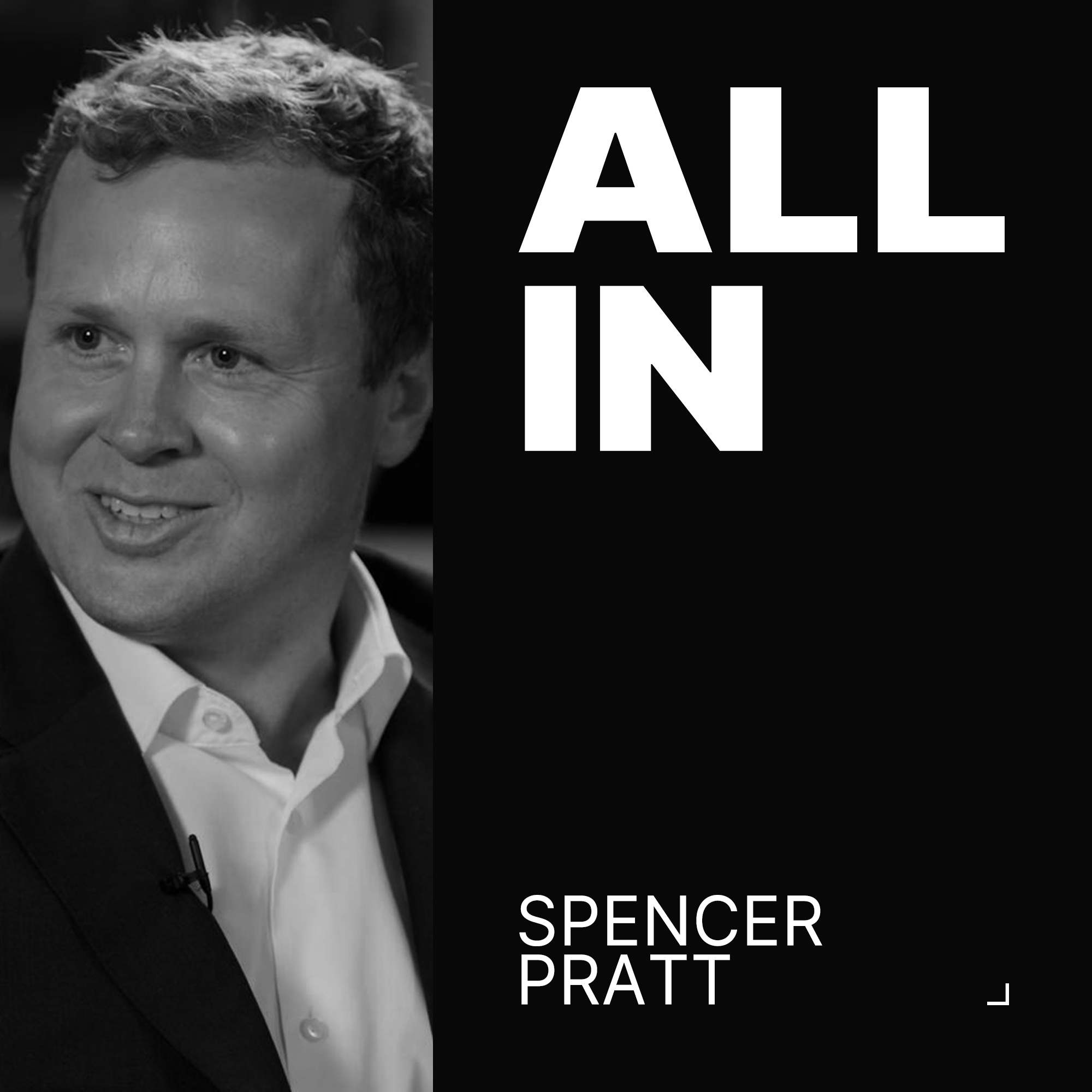
Spencer Pratt's campaign gained massive traction not from his official ads, but from viral, emotionally-charged content created by unaffiliated supporters. This demonstrates that in modern politics, a genuine grassroots movement can cut through noise more effectively than a polished, top-down campaign.
Computational studies reveal that simply mobilizing large crowds is the least likely strategy to succeed. A more effective approach, an "informed pillar strategy," involves identifying and targeting the opponent's wavering pillars of support (like business or security elites) to create a cascade of defections.

Coordinated political messaging isn't a conspiracy from a central authority. It's an emergent phenomenon where influencers workshop ideas in private groups (like WhatsApp), refine them into viral soundbites, and then marry them with algorithm-friendly formats, creating the illusion of a unified script.

The primary value of protests isn't just cinematic outrage; it's serving as a gateway for deeper organizing. Demonstrations allow individuals to connect with the groups that form the backbone of sustained political action, creating lasting, though often unseen, infrastructure.
It doesn't take a majority of a population to enact significant political change; a small but sufficiently fervent and motivated minority can be incredibly effective. Their passion and commitment can outweigh the apathy of the larger population, similar to the low engagement rates in modern political parties.

The path to political power is shifting. Instead of politicians learning social media, the next wave of leaders will be social media natives who build massive followings first and then leverage that audience to enter politics.
Expecting top-down change from political party leadership is a flawed strategy. True societal transformation starts with grassroots movements and shifts in public sentiment. Political parties are reactive entities that eventually adopt agendas forced upon them by the people they seek to represent, making them followers, not initiators, of change.
