Get your free personalized podcast brief
We scan new podcasts and send you the top 5 insights daily.
Authoritarian regimes rely on 'big lies' to control the narrative. The modern counter is the camera phone, which allows citizens to create many small, verifiable records from multiple angles. This flood of 'little truths' can dissolve or push back against state-sponsored propaganda.

Related Insights
In a closed society like North Korea, low-tech information warfare can be highly effective. For defector Kim Soong-min, simple paper leaflets detailing South Korea's prosperity were more impactful than digital campaigns could ever be. They directly contradicted state propaganda and planted the critical seeds of doubt that led to his escape.
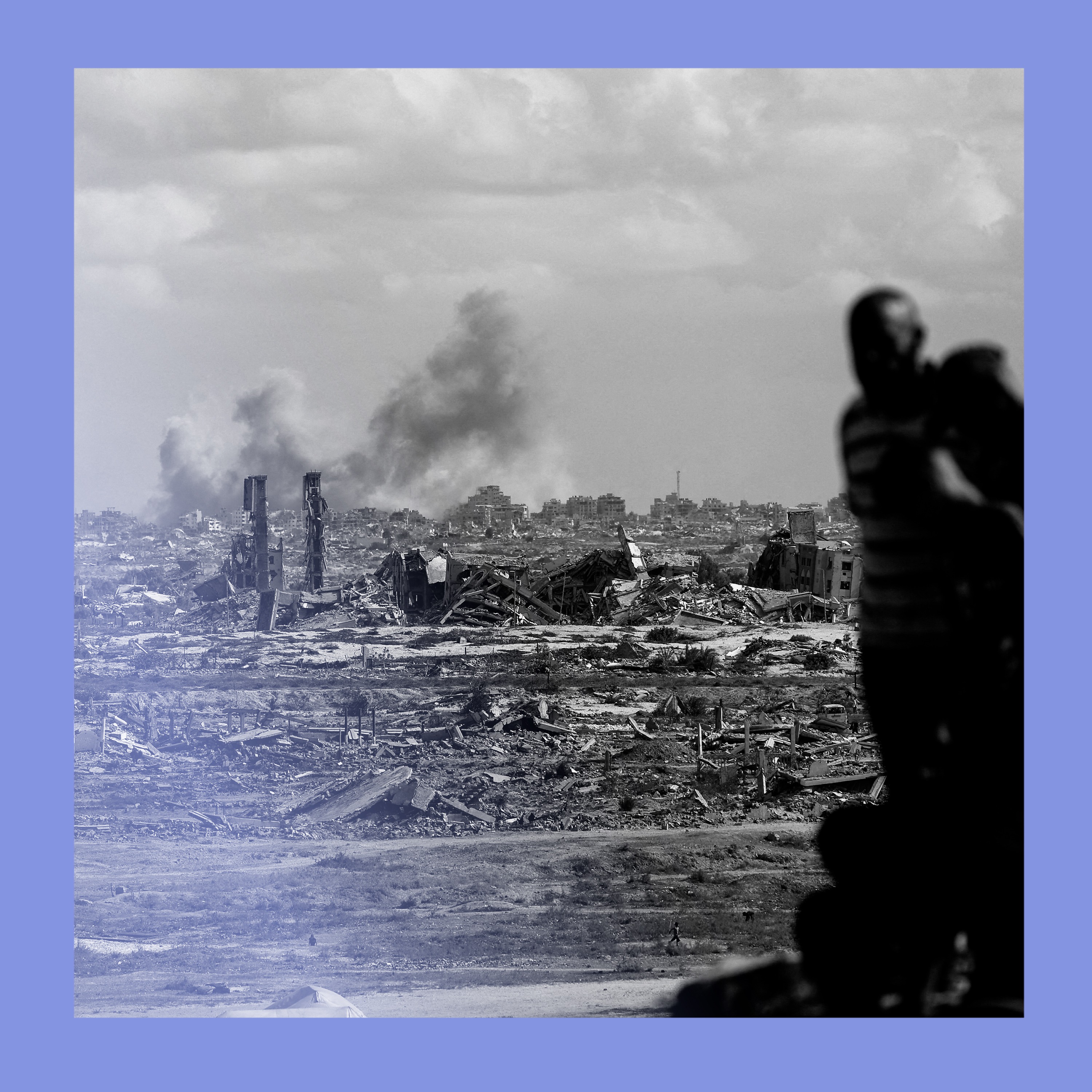
When officials deny events clearly captured on video, it breaks public trust more severely than standard political spin. This direct contradiction of visible reality unlocks an intense level of citizen anger that feels like a personal, deliberate gaslighting attempt.

The ICE incident involving a five-year-old child illustrates how modern political battles are fought over perception. Both sides present wildly different narratives of the same event, leaving the public to choose a story rather than understand the facts. Controlling the narrative has become the primary goal.

The nature of citizen journalism is evolving. Previously focused on passively capturing and observing events, a new wave of creators is actively pursuing investigations and deep dives. This shift is fueled by new monetization paths on platforms like YouTube and X, enabling a sustainable model for independent exposes.
The modern media ecosystem is defined by the decomposition of truth. From AI-generated fake images to conspiracy theories blending real and fake documents on X, people are becoming accustomed to an environment where discerning absolute reality is difficult and are willing to live with that ambiguity.

To counter a video-heavy information war with the Trump administration, Governor Pritzker's press team has begun sending press releases consisting solely of images. This strategy acknowledges that in a fragmented media landscape, visual content can be more powerful and faster to consume than traditional text, aiming to control the narrative through imagery.

The proliferation of cell phone cameras has fundamentally changed activism. By capturing events from multiple angles, citizens create an irrefutable public record that counters official disinformation and makes the phrase "We see you" a powerful tool for accountability.

The rise of peer-to-peer communication and transparency is dissolving the credibility of centralized institutions (governments, media). These institutions can no longer maintain a facade of perfection as their flaws are constantly exposed, leading to a crisis of authority in society.

Governor Pritzker is actively encouraging the public to use their phones to video record ICE and CBP agents. This crowdsourced surveillance strategy aims to create an indisputable visual record to challenge the federal government's claims, turning citizens into watchdogs and providing evidence for both public opinion and legal cases.
The era of limited information sources allowed for a controlled, shared narrative. The current media landscape, with its volume and velocity of information, fractures consensus and erodes trust, making it nearly impossible for society to move forward in lockstep.