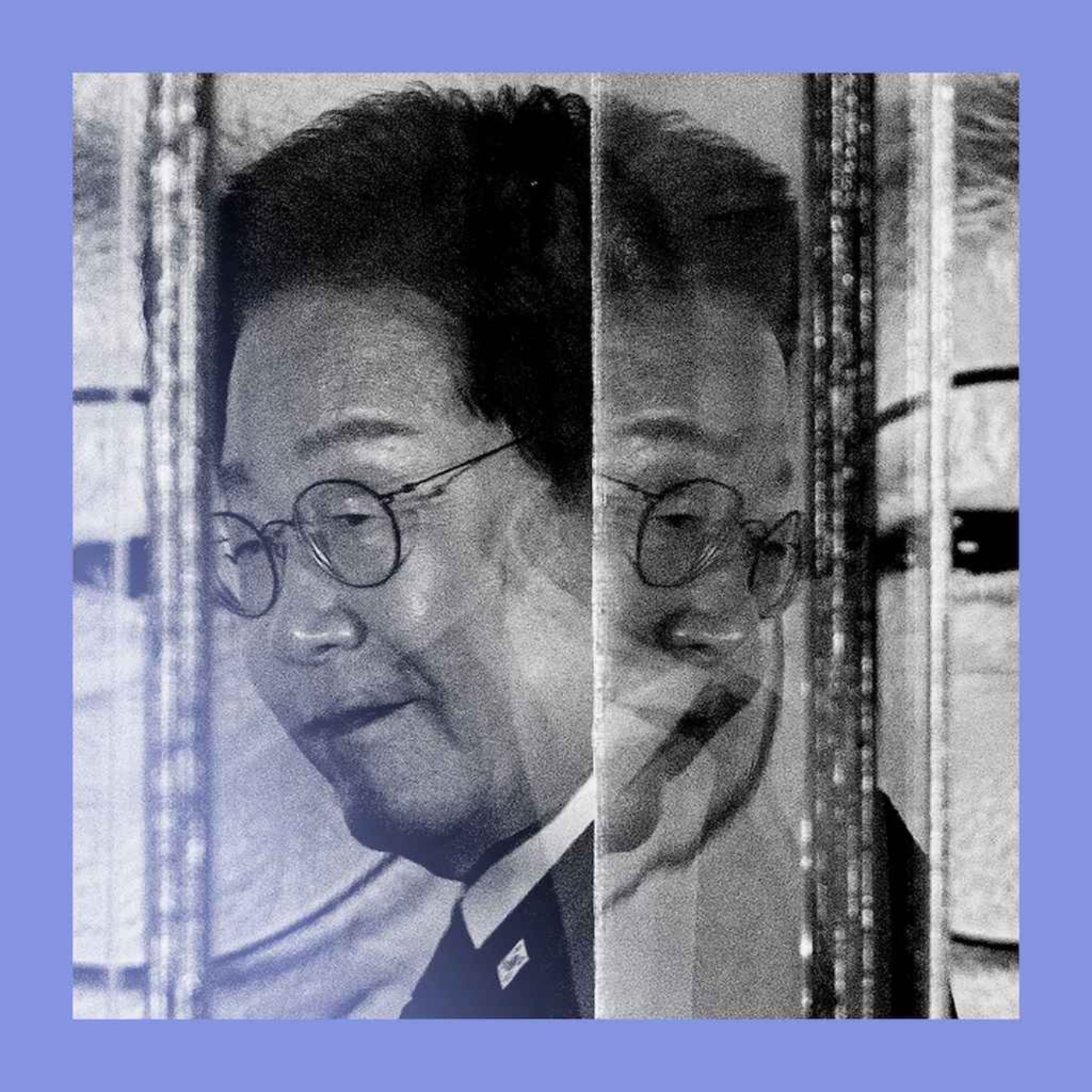
A disturbing pattern in South Korean politics sees over half its presidents jailed or impeached after leaving office. Current President Lee Jae Myung, despite his desire to break this 'curse of the Blue House,' has his own legal cases merely paused, not dismissed, indicating this cycle of political retribution remains a significant threat.
Marjan Satrapi insisted on calling her work 'comic books,' believing drawing to be a universal first language. She used a simple, woodcut-like style not for simplicity's sake, but as a deliberate strategy to humanize Iranians for a Western audience and dismantle stereotypes of them as peasants or terrorists.
President Lee Jae Myung's high approval ratings are heavily reliant on the booming South Korean stock market, which has nearly tripled in the past year. This surge is fueled by global demand for AI memory chips produced by Korean companies. His political fortune is now tied to the volatile global AI investment cycle.
South Korean President Lee Jae Myung skillfully managed Donald Trump by offering increased defense spending and US investment. In return, he secured Trump's blessing for South Korea to develop its own nuclear-powered submarines and the capacity to enrich nuclear fuel, achieving long-term strategic goals that grant the nation greater military autonomy.
Initially a joke, India's 'Cockroach People's Party' attracted millions of followers online. However, its first major physical protest was surprisingly small, with only a few thousand attendees. This demonstrates a critical gap between viral social media engagement and the organizational capacity needed for effective, large-scale street movements.
Historically, Indian political change was driven by powerful street movements led by towering figures like Gandhi or Modi. The new 'Cockroach Party' protest, however, is helmed by a communications consultant who accidentally started it with internet memes. This signals a shift from charismatic, top-down leadership to more decentralized, digitally-born activism.