Get your free personalized podcast brief
We scan new podcasts and send you the top 5 insights daily.
Despite frequent offers, the founder resists selling to private equity because he believes his team can apply the same profit-maximizing playbooks (e.g., cost-cutting) themselves. This retains control and captures future upside, reserving acquisition interest only for strategic buyers who can accelerate distribution.

Related Insights
Taking a small amount of money off the table via a secondary sale de-risks a founder's personal finances. This financial security empowers them to reject large acquisition offers and pursue a long-term, independent vision without the pressure of life-changing personal wealth decisions.
Immediately after acquiring AI.com for $70M, the founder received and rejected an offer exceeding $500M. This demonstrates extreme long-term conviction, prioritizing the potential of building a platform over a massive, quick profit.
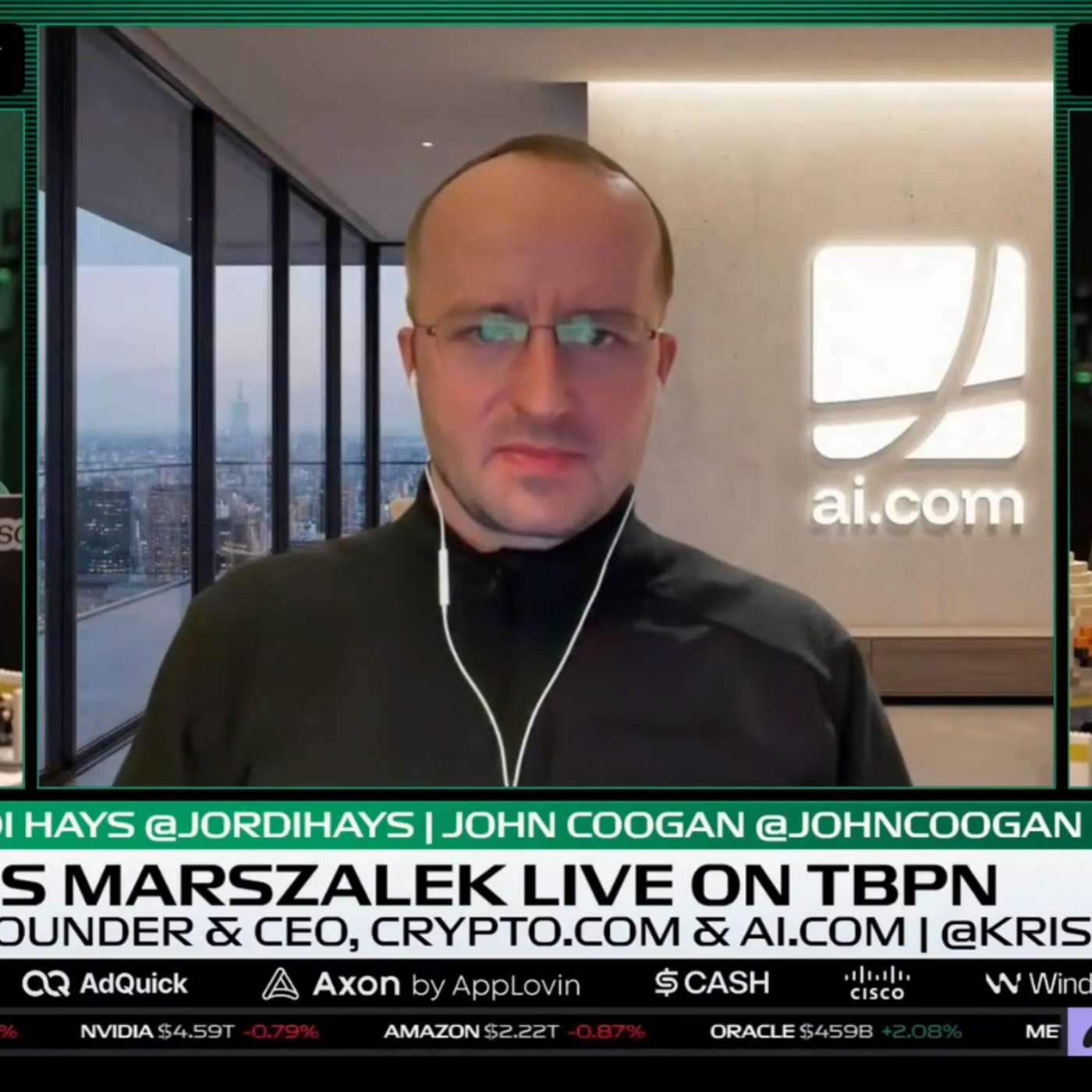
When asked about a hypothetical $180M acquisition offer, the founder's primary consideration isn't the financial windfall. The deciding question for him and his wife/co-founder would be a personal one: "Have we built what we wanted to build? And are we done?" This highlights a mission-driven mindset distinct from typical venture-backed exit strategies.
VCs may analyze an acquisition based on a 3x return over their last round. For a founder, the math is different. A life-changing financial outcome is only worth passing up if they genuinely believe they can build a company 10x larger. A potential 3x increase isn't enough to justify the immense personal risk and multi-year effort.

Initial lowball acquisition offers can feel defeating, forcing a founder to abandon the exit dream. This forces a necessary shift to building a sustainable, long-term business. This new focus, ironically, is what makes the company far more attractive to acquirers in the future.

Despite a lucrative $1.2B offer from Stripe, Jack Zhang declined after verbally agreeing. He questioned whether wealth and a five-year lockup as a GM would bring him happiness, deciding that pursuing his own vision as a founder was ultimately more valuable, even if it was a harder path.

If a founder has to actively shop their company to potential acquirers, they will likely receive a low valuation. In contrast, truly great companies attract multiple inbound offers, allowing them to run a competitive bidding process and command a much higher price.

Despite "tons of approaches," John Gabbert never considered private equity. He believed PE firms prioritize short-term cash extraction and over-leverage, which would destroy the company's culture and vision. He chose sustainable, debt-free growth over a fast, potentially destructive exit.

A business that can run without its founder is inherently more valuable and less risky to a potential acquirer. The guest, whose company was recently acquired, identified her removal from day-to-day operations as a primary reason her business was so attractive to buyers, as it proved the model was systemic.

Tithely’s growth strategy involves acquiring smaller companies to build an all-in-one solution. Unconventionally, they actively avoid deals where founders want to exit. They prioritize retaining the founding team to help integrate the software and drive the next phase of the journey, viewing founder talent as a key asset, not a redundancy.
